Flat roof materials play a crucial role in the durability, performance, and appearance of modern buildings across the UK. Whether for residential extensions, commercial properties, or contemporary architectural designs, choosing the right flat roofing material can significantly impact weather resistance, lifespan, and long-term maintenance costs. At Zinc and Copper Works, we specialise in premium metal roofing solutions that combine craftsmanship, longevity, and visual appeal.
Understanding the available flat roof materials helps property owners make informed decisions that suit both structural needs and design preferences. This guide explores the most popular flat roofing options, their benefits, and why zinc and copper remain leading choices for modern construction.
Understanding Flat Roof Materials
Flat roofs require materials specifically engineered to manage water runoff, thermal movement, and exposure to harsh weather conditions. Unlike pitched roofs, flat roofing systems must provide exceptional waterproofing and durability while maintaining a clean, minimal aesthetic.
Selecting suitable flat roof materials depends on several factors, including building type, budget, environmental exposure, and desired lifespan. Poor material choices often lead to leaks, premature wear, and higher repair costs.
Common Types of Flat Roof Materials
1. Bitumen Roofing
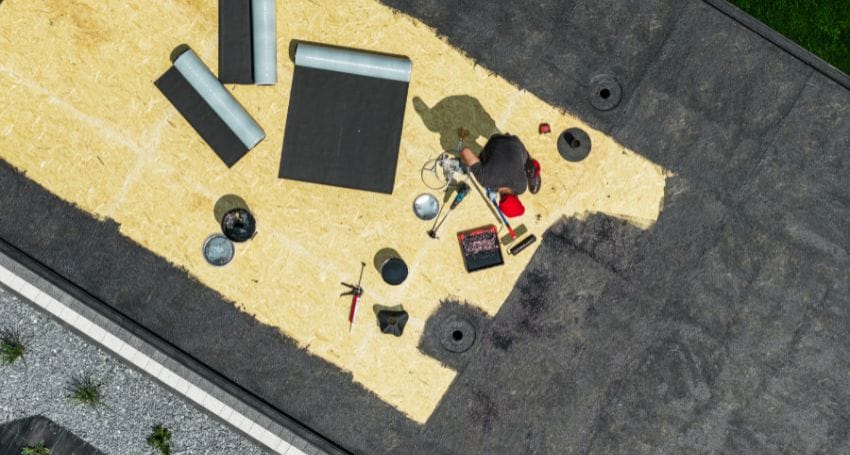
Bitumen has long been used for flat roofs due to its affordability and ease of installation. Available in felt or modified bitumen forms, it provides basic waterproofing but has a shorter lifespan compared to modern alternatives.
Pros:
- Cost-effective
- Simple installation
Cons:
- Limited lifespan
- Requires frequent maintenance
2. EPDM Rubber Roofing
EPDM is a synthetic rubber membrane known for flexibility and weather resistance. It performs well in the UK climate but lacks the visual appeal of premium roofing materials.
Pros:
- UV-resistant
- Low maintenance
Cons:
- Industrial appearance
- Vulnerable to punctures
3. GRP (Fibreglass) Roofing
GRP flat roofs offer a seamless waterproof surface and are commonly used on residential extensions. While durable, installation quality is critical to performance.
Pros:
- Seamless finish
- Long service life
Cons:
- Installation sensitive
- Limited sustainability benefits
Zinc as a Premium Flat Roof Material
Zinc stands out among flat roof materials for its exceptional durability, sustainability, and architectural elegance. At Zinc and Copper Works, zinc roofing is one of our most sought-after solutions.
Zinc naturally forms a protective patina that enhances corrosion resistance and allows the roof to self-heal minor scratches. This makes it ideal for long-term performance in the UK’s changing weather conditions.
Key Benefits of Zinc Flat Roofing:
- Lifespan exceeding 80 years
- Fully recyclable and eco-friendly
- Minimal maintenance requirements
- Modern, refined appearance
Zinc also offers design flexibility, allowing for clean lines and seamless integration into contemporary architecture.
Copper Flat Roofing: Timeless and Durable
Copper is another outstanding option when evaluating flat roof materials. Known for its strength and iconic ageing process, copper develops a distinctive green patina that protects the metal while adding character.
Copper roofing is particularly well-suited to heritage projects, high-end residential properties, and buildings seeking a premium aesthetic.
Advantages of Copper Roofing:
- Extremely long lifespan (100+ years)
- Natural antimicrobial properties
- Unique evolving appearance
- Exceptional resistance to corrosion
Though copper requires a higher initial investment, its longevity and minimal upkeep make it a cost-effective solution over time.
Why Metal Flat Roof Materials Are Ideal for the UK
The UK climate demands roofing systems capable of handling rainfall, temperature fluctuations, and wind exposure. Metal flat roof materials such as zinc and copper excel in these conditions due to their structural integrity and natural weather resistance.
Unlike traditional membranes, metal roofs do not crack, blister, or degrade under UV exposure. Their ability to expand and contract without damage ensures long-term reliability.
Sustainability and Environmental Benefits
Modern construction increasingly prioritises sustainability, and metal flat roof materials align perfectly with these goals. Zinc and copper are both recyclable without loss of quality, reducing environmental impact.
Additionally, their long lifespan minimises waste and replacement frequency, making them an environmentally responsible choice for eco-conscious property owners.
Choosing the Right Flat Roof Material
When selecting flat roof materials, consider:
- Expected lifespan
- Maintenance requirements
- Visual appeal
- Budget and long-term value
- Environmental impact
At Zinc and Copper Works, we provide expert guidance tailored to each project, ensuring the chosen roofing solution meets both technical and aesthetic requirements.
FAQs About Flat Roof Materials
What are the best flat roof materials for longevity?
Zinc and copper are among the most durable flat roof materials, often lasting over 80–100 years with minimal maintenance.
Are metal flat roofs suitable for residential properties?
Yes, metal flat roof materials are ideal for residential homes, extensions, and modern architectural designs.
Do zinc flat roofs require maintenance?
Zinc roofs require very little maintenance due to their self-protecting patina that prevents corrosion.
Are flat roof materials waterproof?
When professionally installed, flat roof materials such as zinc, copper, and EPDM provide excellent waterproofing.
Is zinc roofing environmentally friendly?
Yes, zinc is 100% recyclable and has a long lifespan, making it one of the most sustainable flat roof materials available.