Metal roof insulation is an essential part of creating an energy-efficient home or building. While metal roofing offers many benefits, including durability and aesthetic appeal, proper insulation can significantly enhance its energy efficiency, reduce heating and cooling costs, and improve overall comfort. In this blog, we’ll explore the best practices for insulating a metal roof, the various materials you can use, and how to achieve optimal energy efficiency through insulation techniques.
Why Is Metal Roof Insulation Important?
Metal roof insulation is crucial for preventing heat transfer and maintaining a comfortable indoor environment. Without adequate insulation, a metal roof can absorb heat during the summer and release it during the winter, making it difficult to maintain a stable temperature inside the building. This can lead to higher energy bills and an uncomfortable living space.
Proper insulation, on the other hand, helps regulate indoor temperatures by preventing heat from entering during the summer and keeping warmth inside during the colder months. Additionally, insulation improves the acoustics of your space, reducing noise from rain, hail, and wind.
Best Metal Roof Insulation Practices
When it comes to metal roof insulation, there are several best practices to follow to achieve maximum energy efficiency:
1. Choose the Right Metal Roof Insulation Material
One of the most important aspects of metal roof insulation is selecting the appropriate materials. There are various types of insulation materials, each with its own benefits and drawbacks. Here are some of the most popular metal roof insulation materials:
- Fibreglass Insulation: Fibreglass is one of the most common types of insulation for metal roofs. It’s affordable, widely available, and easy to install. Fibreglass insulation has a high R-value, which measures its thermal resistance, making it an excellent option for preventing heat transfer.
- Spray Foam Insulation: Spray foam insulation is a popular choice for energy-efficient roofing because it expands to fill gaps and cracks in the roof, creating a tight seal. It also provides an excellent air barrier, preventing drafts and improving the overall energy efficiency of the building. While spray foam is more expensive than fibreglass, its superior performance can justify the higher cost.
- Reflective Insulation: Reflective insulation works by reflecting radiant heat away from the roof, reducing the amount of heat absorbed into the building. This type of insulation is particularly effective in hot climates, where cooling costs can be a significant concern.
- Mineral Wool Insulation: Mineral wool, also known as rock wool or stone wool, is a durable, fire-resistant insulation material. It provides excellent thermal and acoustic performance and is resistant to moisture, making it a great choice for areas with high humidity.
- Attic Insulation: Attic insulation for metal roofs is a crucial aspect of energy efficiency, as the attic is often a major source of heat loss or gain. Insulating the attic helps regulate the temperature in the space below and prevents heat from escaping through the roof.
2. Ensure Proper Ventilation
While metal roof insulation is crucial, it’s equally important to ensure proper ventilation. Without adequate airflow, heat and moisture can build up in the attic, which can lead to mould, mildew, and damage to the roofing structure. Poor ventilation can also negate the benefits of insulation by trapping heat in the attic and causing the building to overheat.
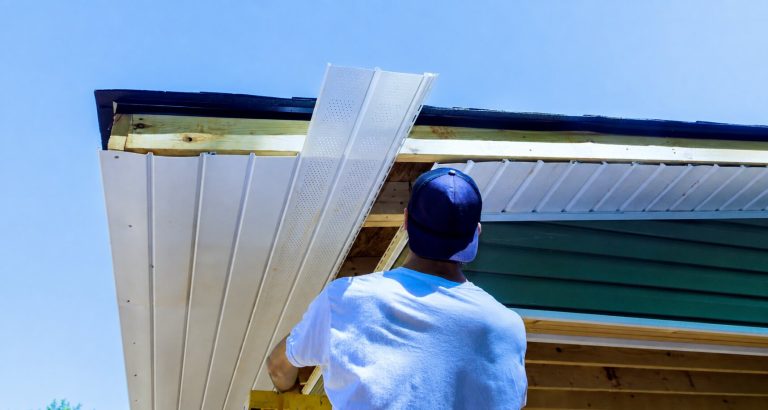
To prevent this, consider installing ridge vents or soffit vents along the roofline to allow for continuous airflow. This will help regulate the temperature and prevent moisture build-up, contributing to the overall efficiency of the insulation system.
3. Install a Radiant Barrier
A radiant barrier is a reflective material installed in the attic or directly under the roof to reflect heat away from the building. Radiant barriers are particularly effective in reducing the amount of heat that enters through the roof during hot weather, helping to keep the building cooler and reducing the need for air conditioning.
4. Seal Gaps and Cracks
Even the best insulation materials will be ineffective if there are gaps or cracks in the roof. Heat and cold air can easily escape through unsealed spaces, undermining the performance of your metal roof insulation. Before installing insulation, carefully inspect the roof for any gaps, cracks, or holes, and seal them with appropriate materials.
5. Consider Adding a Layer of Insulation
In some cases, it may be beneficial to add a second layer of insulation to your metal roof. Adding extra insulation increases the R-value of the system, enhancing its thermal resistance and improving energy efficiency. This is especially helpful in regions with extreme temperatures, where additional insulation can make a significant difference in reducing heating and cooling costs.
Benefits of Metal Roof Insulation
Proper insulation offers numerous benefits for homeowners and businesses, including:
- Lower Energy Bills: By reducing the need for heating and cooling, metal roof insulation can significantly lower energy consumption and lower utility bills.
- Increased Comfort: Insulation helps maintain a stable indoor temperature, making the interior of your home or building more comfortable year-round.
- Enhanced Durability: Insulation can help protect your roof from temperature fluctuations, reducing the risk of damage caused by the expansion and contraction of roofing materials.
- Noise Reduction: Insulation helps dampen noise from rain, wind, and hail, creating a quieter indoor environment.
- Environmental Benefits: By improving energy efficiency, insulation reduces the overall carbon footprint of the building, making it a more sustainable option.
Conclusion
Investing in metal roof insulation is a smart choice for enhancing the energy efficiency, comfort, and durability of your home or building. By selecting the right materials, ensuring proper ventilation, and sealing any gaps or cracks, you can optimise the performance of your insulation system and enjoy lower energy bills and a more comfortable indoor environment. Whether you’re installing a new metal roof or retrofitting an existing one, following these best practices will help you achieve the maximum benefits of energy-efficient roofing.
FAQs: Metal Roof Insulation
1. What is the best material for insulating a metal roof?
The best insulation material for a metal roof depends on your needs and budget. Popular options include fibreglass, spray foam, mineral wool, and reflective insulation. Each has its advantages, with spray foam providing superior air sealing and fibreglass offering good thermal resistance at a lower cost.
2. Can I add insulation to an existing metal roof?
Yes, it is possible to add insulation to an existing metal roof. You can either add insulation directly under the metal panels or insulate the attic space above the ceiling. It’s best to consult with a roofing professional to determine the best approach for your building.
3. How does metal roof insulation reduce energy costs?
Metal roof insulation reduces energy costs by preventing heat from entering the building during the summer and keeping warmth inside during the winter. This reduces the need for air conditioning and heating, leading to lower energy bills.