Roof ventilation is an often-overlooked but essential component of a well-functioning roofing system. Without adequate ventilation, your roof can face a variety of issues, such as moisture build-up, mould growth, and a reduction in overall energy efficiency. Proper attic roof ventilation can extend the life of your roof and prevent costly repairs in the future. In this blog, we will explore key considerations for roof ventilation systems, the benefits of proper ventilation, and how to ensure your roof is optimally ventilated for energy efficiency.
Why Roof Ventilation is Important
Effective roof ventilation is crucial for the long-term health and performance of your home. Proper ventilation helps regulate temperature and moisture levels in the attic or roof space, preventing potential issues such as:
- Moisture Build-Up: Without proper ventilation, moisture from everyday activities like cooking and showering can accumulate in the attic. This excess moisture can lead to mould and mildew growth, which can damage the roof structure and create an unhealthy living environment.
- Condensation: Condensation forms when warm, moist air in the attic meets cooler roof surfaces. This can lead to water damage, rotting wood, and rusting metal components.
- Temperature Regulation: During hot weather, an unventilated roof can trap heat, causing the attic to become unbearably hot. This can increase cooling costs as air conditioning units work harder to maintain a comfortable indoor temperature.
Types of Roof Ventilation Systems
There are several different types of roof ventilation systems, and the choice you make will depend on factors such as the design of your roof, local climate, and the specific needs of your building. Here are some of the most common types:
1. Passive Ventilation for Roofs
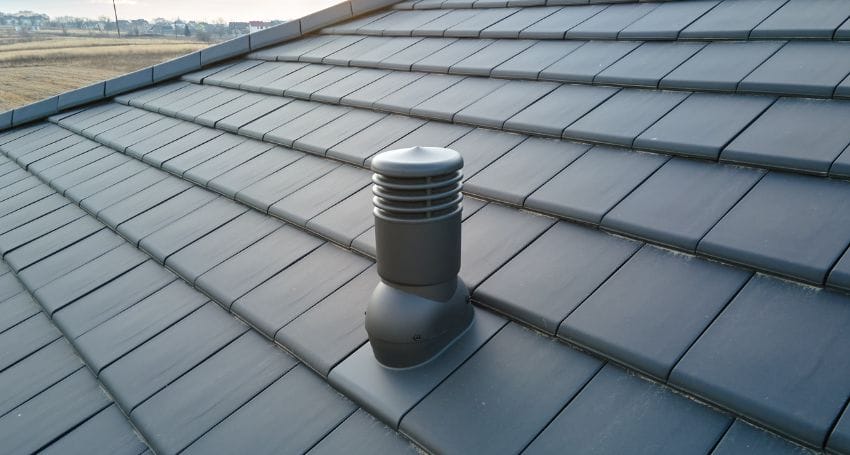
Passive ventilation for roofs is a simple and cost-effective method that relies on natural air movement to allow airflow into and out of the attic space. This type of system typically involves a combination of intake vents and exhaust vents.
- Intake Vents: Located at the lower edge of the roof, intake vents allow fresh, cooler air to enter the attic. These vents can be placed at soffits or along the eaves.
- Exhaust Vents: Positioned near the roof ridge, exhaust vents allow warm air to escape from the attic, preventing heat build-up and moisture accumulation.
2. Active Roof Ventilation Systems
In areas where natural ventilation is not enough, active ventilation systems can help improve airflow. These systems often include powered fans that force air through the attic, actively expelling hot air and drawing in cooler air.
Active systems are typically more expensive to install and maintain, but they can be effective in homes with larger attics or in climates where natural ventilation might not be sufficient. These systems can be controlled with thermostats or humidistats to adjust the airflow based on temperature or humidity levels.
3. Soffit Vents and Ridge Vents
A combination of soffit vents and ridge vents is one of the most common roof ventilation systems. Soffit vents are installed in the eaves of the roof, allowing cool air to enter the attic. Ridge vents, installed along the roof ridge, allow warm air to escape. Together, these vents provide a continuous flow of air, ensuring that moisture and heat are properly managed.
Key Considerations for Effective Roof Ventilation
When designing a roof ventilation system, there are several key factors to consider to ensure it is effective:
1. The Size of the Ventilation System
One of the most important considerations is the size of your ventilation system. Both the intake and exhaust vents should be adequately sized to ensure proper airflow. A general rule of thumb is that for every 300 square feet of attic space, there should be at least one square foot of ventilation. This ensures that air can flow freely through the attic, preventing heat and moisture build-up.
2. Climate Considerations
The climate in your area plays a significant role in the type of roof ventilation systems you choose. In warmer climates, where cooling is a priority, a well-designed passive ventilation system may be sufficient. In colder climates, it’s important to have ventilation that prevents the build-up of moisture in the attic, which can lead to ice dams.
3. Proper Placement of Vents
The placement of vents is another critical factor in ensuring the effectiveness of your attic roof ventilation. Intake vents should be placed at the lowest point of the roof, such as at the eaves or soffits, to draw in cool air. Exhaust vents should be placed at the highest point, such as along the roof ridge, to allow hot air to escape. Proper vent placement creates a continuous flow of air, promoting even ventilation throughout the attic.
4. Insulation and Ventilation Balance
It’s important to strike the right balance between insulation and ventilation. Insulation helps keep the home warm in the winter and cool in the summer, while ventilation ensures that the roof and attic space don’t become overheated or damp. Both systems need to work together to maintain energy efficiency and prevent moisture damage.
5. Maintenance of the Ventilation System
Regular maintenance is essential to keep your roof ventilation systems working properly. Over time, vents can become clogged with debris such as leaves, dirt, and moss, which can impede airflow. Regularly cleaning the vents and inspecting the system for any damage can help maintain its efficiency.
Benefits of Roof Ventilation
Proper roof ventilation for energy efficiency offers numerous benefits:
- Improved Indoor Comfort: By preventing excess heat and moisture from building up in the attic, ventilation helps maintain a more comfortable indoor temperature.
- Energy Savings: Proper ventilation reduces the need for air conditioning during the summer, helping lower energy bills by keeping the house cooler.
- Extended Roof Life: Ventilation helps protect the roof from heat damage, preventing shingles from deteriorating prematurely.
- Mould and Mildew Prevention: By reducing moisture build-up, proper ventilation reduces the risk of mould and mildew growth, improving indoor air quality.
- Cost-Effective: Well-maintained roof ventilation systems are relatively low-cost and can prevent expensive repairs by preventing long-term roof damage.
Conclusion
Roof ventilation is essential for maintaining the integrity of your roof and ensuring the long-term energy efficiency of your home. By choosing the right system, properly sizing the vents, and ensuring regular maintenance, you can maximise the benefits of attic roof ventilation. Whether you opt for passive ventilation, active systems, or a combination of both, effective roof ventilation systems can improve indoor comfort, reduce energy costs, and extend the lifespan of your roof.
FAQs:
1. Why is roof ventilation important?
Roof ventilation prevents moisture build-up, regulates temperature, and reduces the risk of roof damage and mould growth.
2. What are the benefits of roof ventilation?
The main benefits include improved comfort, energy savings, extended roof life, and reduced moisture-related issues.
3. How do I know if my roof needs ventilation?
If you notice condensation, mould, or excessive heat in your attic, your roof may need better ventilation.