A well-designed roofing system plays a crucial role in the overall performance of any building. One of the most effective solutions for improving thermal efficiency and durability is warm flat roof insulation. At Zinc & Copper Works, we specialise in high-quality roofing solutions and understand the importance of correct insulation for long-term comfort, protection, and energy savings.
This guide explains how warm flat roof insulation works, why it is beneficial, and what makes it an increasingly popular choice for both residential and commercial properties.
What Is Warm Flat Roof Insulation?
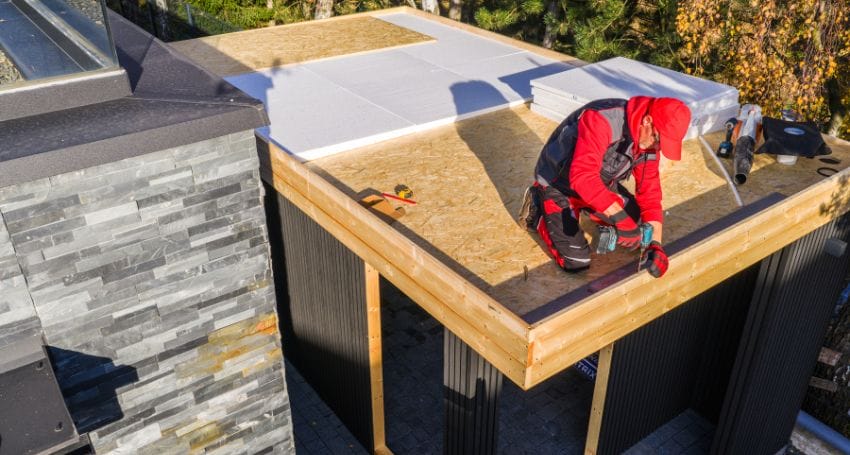
Warm flat roof insulation is a roofing method where the insulation layer is installed above the structural roof deck and below the waterproof membrane. This configuration keeps the roof structure warm by placing all thermal protection on the external side of the deck.
Unlike cold roof systems, where insulation sits between or below joists, a warm roof eliminates cold spots and creates a continuous thermal envelope. This approach significantly improves performance while protecting the roof structure from temperature fluctuations and moisture-related issues.
Why Warm Flat Roof Insulation Is Important
Improved Thermal Performance
One of the biggest advantages of warm flat roof insulation is its ability to reduce heat loss. Flat roofs are a major source of energy escape if not insulated correctly. A warm roof system creates a continuous insulation layer, helping maintain consistent indoor temperatures and reducing reliance on heating and cooling systems.
Reduced Condensation Risk
Condensation is a common problem in poorly insulated flat roofs. When warm air meets cold surfaces, moisture forms and can lead to damp, mould, and structural damage. Warm flat roof insulation keeps the roof deck at a stable temperature, significantly lowering the risk of condensation buildup and moisture penetration.
Longer Roof Lifespan
By keeping the structural deck warm and dry, warm flat roof insulation reduces thermal stress and prevents premature deterioration. Roofing materials experience less expansion and contraction, which helps extend the lifespan of the entire roofing system and reduces long-term maintenance costs.
Enhanced Internal Comfort
A warm roof system contributes to a more comfortable indoor environment throughout the year. Heat is retained during colder months, while insulation also limits excessive heat gain during warmer periods. This creates balanced internal conditions and improved comfort for occupants.
Supports Building Regulation Compliance
Modern construction standards place strong emphasis on energy efficiency. Warm flat roof insulation helps meet required thermal performance levels by achieving lower U-values more effectively than many traditional insulation methods.
Components of a Warm Flat Roof System
A professionally installed warm flat roof insulation system includes several key elements working together:
- Structural Roof Deck: The base layer that supports the roof build-up
- Vapour Control Layer (VCL): Prevents warm, moist air from entering the insulation
- Rigid Insulation Boards: Commonly PIR or similar high-performance materials
- Waterproof Membrane: Protects the insulation and structure from weather exposure
Each layer must be installed correctly to ensure the system performs as intended over the long term.
Why Choose Warm Flat Roof Insulation Over Cold Roof Systems?
Cold roof systems often rely on ventilation to control moisture, which can be difficult to manage and prone to failure. Warm flat roof insulation removes the need for roof void ventilation by keeping the structure warm, making it a more reliable and robust solution.
Warm roofs are also more versatile, making them suitable for new builds, refurbishments, and roof upgrades where improved energy performance is required.
Zinc & Copper Works: Expertise You Can Trust
At Zinc & Copper Works, we approach every project with precision, craftsmanship, and a deep understanding of roofing systems. Our expertise extends beyond metal roofing to include complete flat roof solutions, ensuring insulation, detailing, and waterproofing work seamlessly together.
We focus on delivering roofing systems that are built to last, combining technical knowledge with high-quality materials. Whether incorporated into a new roof or an upgrade, our warm flat roof insulation solutions are designed to enhance performance and protect your investment.
Common Myths About Warm Flat Roof Insulation
Warm Roofs Are Only for New Construction
Warm flat roof insulation can also be added during refurbishment projects, provided the roof structure is suitable.
It Costs Too Much
While the initial investment may be higher, energy savings, reduced maintenance, and extended roof lifespan often make warm roof systems more cost-effective over time.
Insulation Only Matters in Winter
Warm flat roof insulation works year-round by maintaining stable internal temperatures and reducing overheating during warmer periods.
Conclusion
Warm flat roof insulation is a proven solution for improving energy efficiency, reducing condensation, and extending roof lifespan. With professional design and installation, it provides long-term performance benefits and enhanced comfort.
At Zinc & Copper Works, we deliver expertly crafted roofing systems that combine durability, efficiency, and attention to detail — ensuring your roof performs at its best for years to come.
Frequently Asked Questions (FAQs)
What insulation materials are used in warm flat roofs?
Rigid insulation boards such as PIR are commonly used due to their excellent thermal performance and durability.
Can warm flat roof insulation improve energy efficiency?
Yes, it significantly reduces heat loss and helps maintain consistent internal temperatures.
Does warm roof insulation prevent condensation?
By keeping the roof deck warm, the condensation risk is greatly reduced compared to cold roof systems.
How long does warm flat roof insulation last?
When installed correctly, insulation can last for decades and often matches the lifespan of the roofing membrane.