Zinc roofing has become a popular choice for commercial properties due to its impressive durability, versatility, and aesthetic appeal. As businesses look for long-lasting, sustainable, and cost-effective roofing solutions, zinc has emerged as one of the best materials available. Offering a range of benefits such as weather resistance, low maintenance requirements, and a long lifespan, zinc roofing is an ideal option for businesses seeking reliable and modern roofing solutions.
In this blog, we will explore the zinc roof benefits, discuss the advantages of commercial zinc roofing systems, and explain why zinc roofing installation is a smart choice for your property. We will also look at its ability to provide durable metal roofing solutions and how zinc roof maintenance ensures that your commercial property remains well-protected for years.
Zinc Roofing: An Overview
Zinc is a highly versatile and sustainable material that has been used for centuries in roofing and cladding applications. Unlike other metals, zinc has a unique self-healing property, which means it naturally develops a protective patina over time. This patina, also known as the “Zinc grey” layer, protects the roof from corrosion and ensures that it remains resistant to the elements, making it ideal for commercial properties exposed to varying weather conditions.
In addition to its practicality, zinc roofing offers an aesthetically appealing, sleek appearance. Whether used in traditional or modern architectural designs, zinc adds a sophisticated and stylish touch to any commercial building.
Zinc Roof Benefits for Commercial Properties
There are numerous zinc roof benefits that make it a preferred option for businesses and commercial property owners. Below are some of the main advantages of choosing zinc roofing for your property:
1. Durability and Longevity
One of the main reasons why zinc roofing is a top choice for commercial properties is its outstanding durability. Zinc is highly resistant to corrosion, rust, and extreme weather conditions such as heavy rain, snow, and high winds. A properly installed zinc roof can last for more than 100 years, making it one of the long-lasting roofing materials available.
The material’s self-healing nature helps it resist damage from environmental exposure. As the zinc surface develops a natural patina over time, it strengthens the material and enhances its resistance to corrosion. This makes it an excellent option for commercial properties that need a long-term, low-maintenance roofing solution.
2. Aesthetics and Design Flexibility
Zinc roofing is known for its sleek and modern aesthetic, making it a great choice for a wide range of architectural styles. Whether your commercial property is a contemporary office building or a more traditional industrial structure, zinc can complement the overall design with its clean lines and elegant finish.
Moreover, zinc is available in a range of finishes, including pre-weathered, anodised, or coloured options, allowing for design flexibility. The material can also be used for facades and wall cladding, creating a cohesive and attractive look for the entire building.
3. Environmentally Friendly
As businesses and building owners seek more sustainable options, zinc roofing stands out for its eco-friendly properties. Zinc is 100% recyclable, which means that at the end of its long lifespan, the material can be recycled and reused, reducing waste and contributing to a circular economy.
Additionally, zinc is naturally low-maintenance. Unlike other roofing materials that require frequent repairs or replacement, zinc requires minimal upkeep throughout its life, reducing the environmental impact of maintenance and repairs.
4. Low Maintenance Requirements
Another major zinc roof benefit is its low-maintenance nature. Once installed, zinc roofing requires minimal intervention to maintain its functionality and appearance. The natural patina that forms over time helps protect the surface from corrosion and reduces the need for regular cleaning or painting.
This makes zinc roofing installation a cost-effective solution for commercial property owners, as it reduces long-term maintenance and repair costs. Routine inspections are generally all that is needed to ensure the roof remains in good condition for many years.
Commercial Zinc Roofing Systems: A Smart Investment
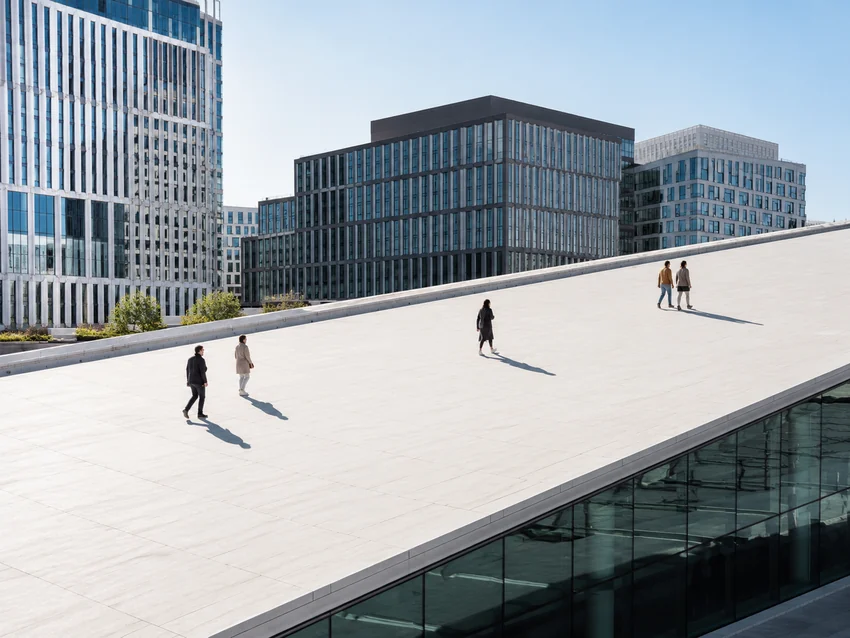
For commercial properties, commercial zinc roofing systems provide an ideal balance of durability, aesthetics, and low maintenance. Zinc roofing is perfect for large-scale buildings, as it can cover extensive areas with ease while maintaining a stylish, modern look. Additionally, the material is lightweight compared to other metals, making it easier to handle and install.
Zinc roofing systems are particularly beneficial for flat or low-pitched roofs, which are common in commercial buildings. These systems can be custom-made to suit the specific dimensions and needs of your property, ensuring an efficient and secure installation process.
How Zinc Roofing Installation Works
The process of zinc roofing installation involves several steps to ensure that the roof is both secure and long-lasting. First, the roof structure is prepared with a solid, weatherproof substrate to support the zinc sheets. The zinc panels are then cut to fit the roof, with seams and edges securely fastened to prevent leaks.
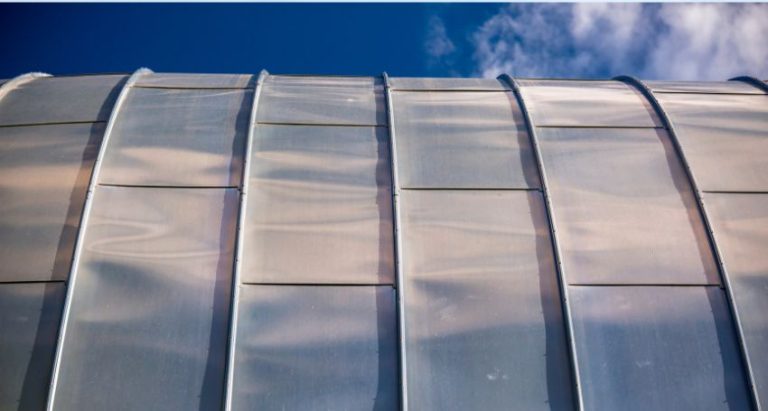
Zinc roofs are typically installed using standing seam or interlocking panel systems, which create a continuous, weatherproof surface. This method allows the zinc to expand and contract with temperature changes, reducing the risk of cracks or warping over time.
Professional installation is key to ensuring the roof performs as intended, and it’s essential to work with experienced roofers who are familiar with commercial zinc roofing systems to ensure the best results.
Zinc Roof Maintenance
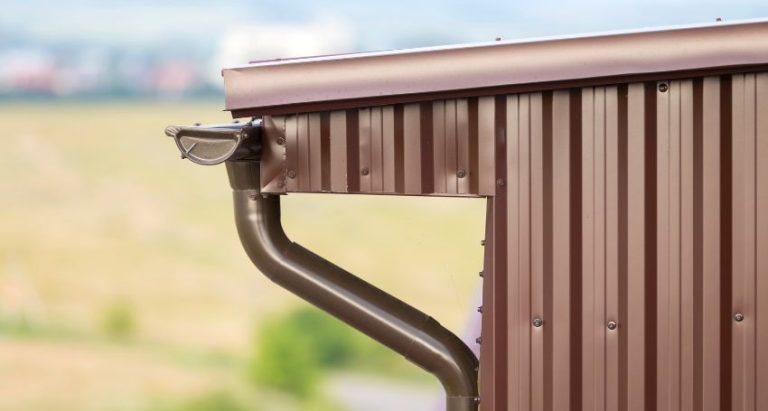
Despite its low-maintenance nature, zinc roof maintenance is still necessary to ensure that the roof continues to perform effectively. Regular inspections should be carried out to check for any signs of damage or wear, such as loose panels or blocked gutters. If any issues are detected, repairs should be made promptly to prevent more significant damage.
In general, zinc roofs do not require painting or frequent cleaning. The natural patina helps protect the material from corrosion, and the roof’s smooth surface makes it easy for rain to wash away debris. If cleaning is required, it is best to use mild, non-abrasive cleaning agents to avoid damaging the surface.
Conclusion
Zinc roofing offers numerous advantages for commercial properties, including durability, low maintenance, energy efficiency, and a modern aesthetic. As one of the durable metal roofing solutions on the market, it provides long-term protection for buildings and contributes to overall sustainability. Whether you’re looking to install a new roof or replace an existing one, zinc roofing is a smart choice that will stand the test of time, reduce maintenance costs, and enhance the appearance of your commercial property.
FAQs
How long can a zinc roof last?
A properly installed zinc roof can last over 100 years. The material’s natural patina strengthens over time, resisting rust, corrosion, and environmental damage. This longevity makes zinc one of the most cost-effective roofing solutions available.
Can zinc roofing match my building’s design?
Absolutely. Zinc is versatile and available in multiple finishes—pre-weathered, anodised, or coloured—allowing for design flexibility. Whether your building is modern or traditional, zinc complements the architecture while providing options for facades and wall cladding.
How sustainable is zinc roofing?
Zinc is 100% recyclable and requires minimal maintenance, reducing environmental impact over time. Choosing zinc means supporting sustainability while avoiding frequent repairs and replacements that generate waste.
Will zinc roofing reduce maintenance costs?
Yes. Zinc roofs require minimal upkeep. The natural patina protects against corrosion, and routine inspections are usually all that’s needed. No painting or heavy cleaning is necessary, which keeps long-term costs low.