Choosing between a Metal Roof vs Tile Roof is one of the most critical decisions a homeowner can make when planning a major home renovation or building a new property. The roof is your home’s primary shield against the unpredictable British weather, meaning your choice will affect everything from your household energy bills to the structural integrity of your building. Both materials have stood the test of time, yet they offer completely different benefits in terms of aesthetics, weight, and long-term performance. This guide explores how these two popular options stack up against each other to help you make an informed choice for your property.
Clay Tile vs Metal Roofing: Architectural Style and Character
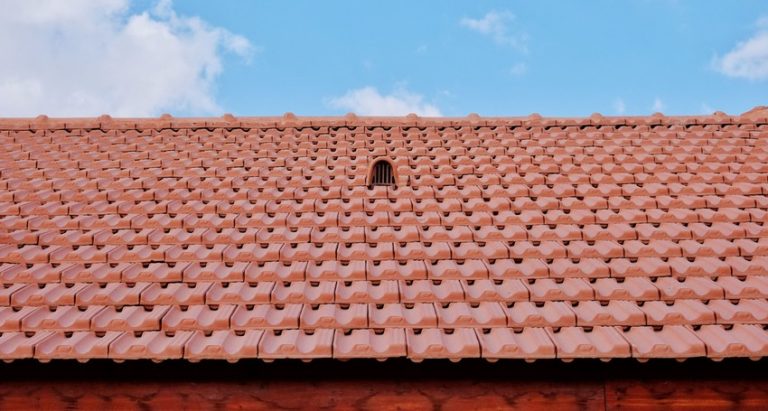
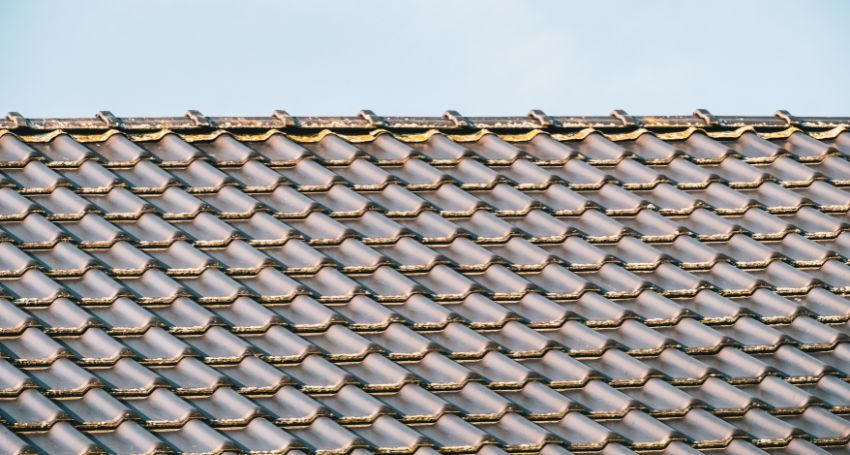
When comparing clay tile vs metal roofing, the most immediate difference is how they look. Clay tiles have been a staple of British architecture for centuries. They offer a classic, textured appearance that is highly sought after for traditional, heritage, and Mediterranean-style homes. The natural variations in colour and the curved shapes of clay tiles add an undeniable warmth and charm, which can significantly enhance a property’s curb appeal.
On the other hand, metal roofing has evolved far beyond its industrial origins. Modern metal roof sheets, made from materials such as steel or aluminium, deliver a sleek, contemporary look. They are available in a variety of clean profiles, standing seams, and protective coatings that complement modern architectural designs perfectly. For homeowners looking to create a minimalist aesthetic, metal provides sharp lines and a uniform finish that traditional tiles simply cannot match.
Roofing Material Durability and Lifespan
When investing in a new roof, you want to ensure it is built to last. Both materials score incredibly high when evaluating overall roofing material durability, but they handle environmental stress differently.
- Metal Resilience: Metal is exceptionally tough. It is virtually impervious to cracking, shrinking, or eroding under extreme weather conditions. It easily sheds heavy rain and snow, making it ideal for wet climates. The average metal roof lifespan ranges from 40 to 70 years. With modern anti-corrosion coatings, a steel or aluminium roof will resist rust and decay for decades with very little intervention.
- Tile Longevity: Clay and concrete tiles are legendary for their survival rate, often lasting upwards of 50 to 100 years. They do not rust and are highly resistant to fire and insect damage. However, their main vulnerability is impact. Heavy hail, falling tree branches, or even foot traffic during maintenance can cause tiles to crack or break.
Pros and Cons of Tile Roofs
To truly understand if traditional tiling is right for your home, it is important to weigh the specific pros and cons of tile roofs.
The Pros:
- Thermal Mass: Tiles are thick and excellent at absorbing heat during the day and slowly releasing it at night. This natural insulation helps keep your home cool in summer and warm in winter.
- Acoustic Dampening: The sheer density of clay or concrete blocks out external noise. During heavy downpours or hailstorms, a tiled home remains remarkably quiet.
- Individual Replacement: If a single tile breaks, you only need to replace that specific piece rather than a whole section of the roof.
The Cons:
- Extreme Weight: Tile is incredibly heavy. This structural load requires heavy-duty roof framing. If you are replacing a lighter roof with tiles, you will likely need to pay for extra timber reinforcement.
- Biological Growth: In damp climates, tiles can easily host moss, algae, and lichen. While mostly cosmetic, this growth requires periodic cleaning to prevent moisture retention.
Weighing the Investment: Metal Roof vs Tile Roof Cost
While keeping our focus on overall value, analyzing the metal roof vs tile roof cost involves looking beyond the initial purchase price.
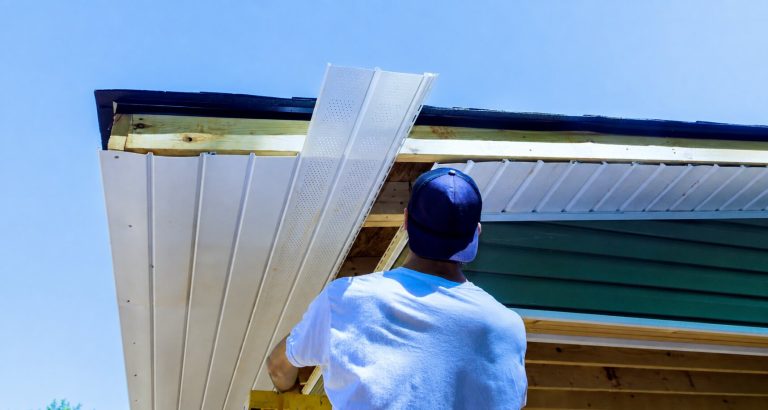
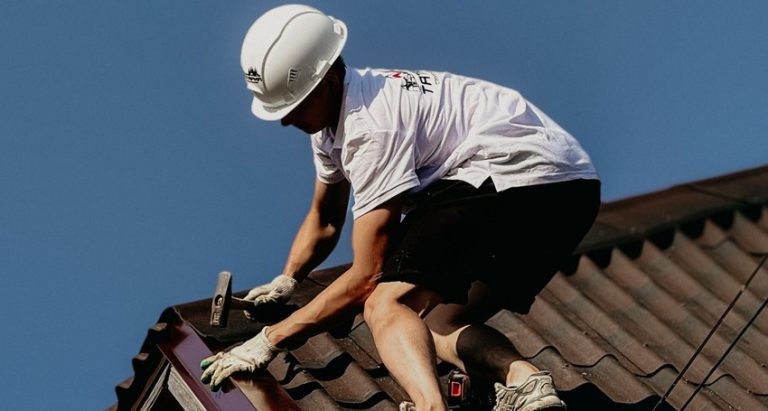
Metal roofing is lightweight, meaning it can often be installed directly over existing structures, reducing structural preparation requirements and saving on labour. The installation process is also much quicker because metal is laid in large panels rather than individual pieces. Over time, because metal requires virtually zero maintenance, your ongoing repair costs are minimal.
Conversely, tile roof installation is highly labour-intensive. It requires a skilled roofer to manually align and secure every individual tile, which increases the initial installation timeline. When you factor in the potential need for structural reinforcement to support the heavy weight of the tiles, the upfront financial outlay for a tile roof is typically higher than a standard metal roof. However, because high-quality clay tiles can last for a century, they can still offer excellent long-term value over their lifetime.
The Best Residential Roofing Options for Your Property
Determining the best residential roofing options for your home depends heavily on your local environment and property design. If you live in a modern home, or a highly wet and windy region, a metal roof offers unparalleled weatherproofing, fast installation, and a contemporary edge. However, if you reside in a conservation area, own a period property, or want a roof that naturally dampens sound and insulates your home, classic clay tiles remain an elite choice.
Frequently Asked Questions
Are metal roofs noisier than tile roofs when it rains?
Yes, metal roofs can be noisier during heavy rain or hail compared to dense clay tiles. However, this issue is largely mitigated in modern residential buildings by installing high-quality attic insulation and acoustic underlayment, which absorbs the sound before it reaches the living spaces below.
Can you walk on a metal roof or a tile roof?
You can walk on both, but you must be much more cautious on a tile roof. Clay and concrete tiles are brittle and can easily crack under human weight. Metal roofs are much more durable underfoot, though care should still be taken to walk on the structural supports to avoid denting the panels.
Is a metal roof more lightning-prone than a tile roof?
This is a common myth. While metal conducts electricity, a metal roof does not attract lightning any more than any other type of roofing material. In the rare event that lightning does strike, a metal roof is actually safer because it is non-combustible and safely disperses the electrical charge.