Profile sheet roofing has fast become one of the most popular choices for modern British homeowners looking to balance durability with contemporary style. Once associated primarily with industrial warehouses and agricultural barns, these versatile materials have undergone a massive design evolution. Today, they offer a sleek, robust, and highly efficient weatherproofing solution for residential properties, garden studios, garages, and extensions alike.
If you are currently planning a renovation or building from scratch, understanding how these systems work will help you make an informed decision for your property. This guide will walk you through everything you need to know, from the different materials available to the installation process.
What is Profile Sheet Roofing?
At its core, this roofing style consists of structured sheets of material—most commonly metal—that have been shaped with a repeated pattern of ridges and grooves. This engineered shape is not just for aesthetics; the “profile” or shape of the sheet dramatically increases its structural strength, allowing it to span wider distances between supports without sagging, whilst efficiently directing rainwater away from the building.
When exploring your options, you will find that steel roofing sheets are the dominant force in the residential market. Steel provides an exceptional strength-to-weight ratio, meaning it does not put unnecessary stress on your building’s timber framework while still offering maximum protection against heavy rain, wind, and winter snow.
Exploring Profile Roofing Sheet Types
There is no single design that fits every home. Understanding the various profile roofing sheet types will help you select the right look and performance level for your specific project.
1. Corrugated Profiles
The classic wavy design remains a timeless favourite. Corrugated metal roof sheets are incredibly efficient at shedding water and are often favoured for traditional cottages, rural outbuildings, and rustic garden designs. The gentle curves distribute weight evenly and offer a softer, more organic aesthetic than sharp geometric designs.
2. Box Profile (Trapezoidal)
If you prefer a sharp, minimalist appearance, box profile sheets are the go-to option. Featuring flat, angular valleys and ridges, they give a highly modern, architectural finish to contemporary homes and extensions. Because of their flat surfaces, they are also exceptionally easy to clean and maintain.
3. Tile Effect Profiles
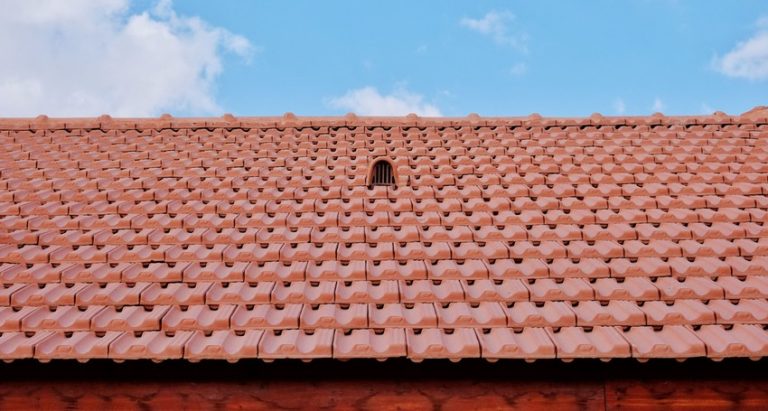
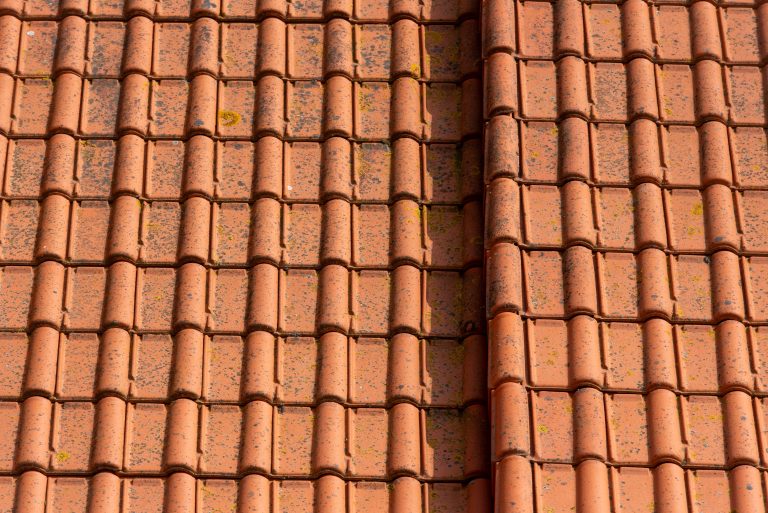
For homeowners who want the benefits of metal but prefer the traditional look of clay tiles, tile effect sheets are a brilliant compromise. These sheets are pressed to mimic the appearance of individual pantiles. They allow you to achieve a classic British aesthetic without the immense weight and individual alignment issues of traditional slate or clay.
The Benefits of Metal Profile Sheets
Opting for metal profile sheets over traditional materials like slate or concrete tiles comes with several distinct practical advantages:
- Exceptional Lifespan: Modern metal sheets are coated with advanced protective polymers (such as plastisol or polyester) that prevent rust and UV damage. A well-installed roof can easily last several decades with minimal upkeep.
- Lightweight Construction: Compared to heavy concrete tiles, metal sheets are remarkably light. This can save you money on structural timber costs during a build, as your roof supports do not need to be heavily reinforced.
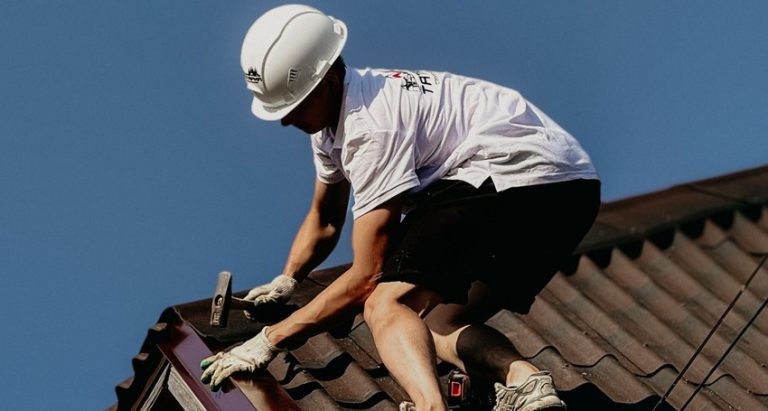
- Speed of Installation: Because the sheets cover large surface areas at once, a professional team can secure a roof in a fraction of the time it takes to lay hundreds of individual tiles.
- Weather Resistance: With fewer joins and interlocking seams, there are fewer weak spots where water can penetrate, making these roofs incredibly leak-resistant even in driving rain.
Key Considerations for Roof Profile Sheet Installation
A successful project relies heavily on proper planning and execution. While some DIY enthusiasts tackle small outbuildings, a residential roof profile sheet installation is generally best left to experienced professionals.
If you are preparing for installation, keep these crucial factors in mind:
Condensation Management
Because metal conducts heat quickly, temperature shifts can cause moisture to collect on the underside of the sheets. To combat this, installers use anti-condensation backing membranes or build a ventilated cold roof system. This ensures that moisture is drawn away before it can drip onto your ceiling joists.
Pitch and Alignment
The pitch (angle) of your roof determines how water drains. Profile sheets can be used on incredibly low pitches, but the overlapping joints must be sealed with specialised mastic tape on flatter roofs to prevent water from being blown backwards under the sheets during high winds.
Thermal Expansion
Metal expands and contracts as the seasons change. Professional installers use specialised self-tapping screws with neoprene washers. These fasteners are designed to allow the metal to shift slightly without tearing the sheet or breaking the watertight seal.
What Determines the Profile Sheet Roof Price?
When budgeting for your project, you will find that the overall profile sheet roof price depends on several key variables rather than a simple flat rate.
Firstly, the raw material plays a massive part. Aluminium and premium galvanised steel will carry a higher initial outlay than basic steel, though they offer superior rust resistance in coastal areas. Secondly, the protective coating you choose—whether a simple painted finish or a high-durability leather-grain plastisol coating—will influence the cost. Finally, complex roof shapes with multiple valleys, hips, and chimneys require more custom flashing and trimming, which naturally increases both material wastage and labour times.
Frequently Asked Questions
Are metal profile sheets noisy when it rains?
This is a incredibly common concern, but in a insulated residential home, rain noise is rarely an issue. When installed with standard loft insulation and plasterboard ceilings, the sound is muffled to the point of being virtually unnoticeable. Sound dampening is only a factor in uninsulated structures like simple garden sheds.
Can I install solar panels on profile sheet roofing?
Yes, absolutely. In fact, box profile and standing seam metal roofs are some of the easiest surfaces for solar panel mounting. Specialised brackets can clamp directly onto the raised profiles without the need to drill holes through the waterproofing layer, reducing the risk of future leaks.
How do I prevent rust on steel roofing sheets?
Modern steel sheets are hot-dip galvanised with a protective layer of zinc and finished with a robust polymer topcoat. To prevent rust, you simply need to ensure that any cut edges are treated with touch-up paint, and that leaf debris is cleared regularly so moisture does not sit on the surface for extended periods.
Can profile sheets be installed over an existing roof?
In many renovation scenarios, lightweight profile sheets can be installed directly over old asphalt or felt roofs. This process, known as over-roofing, saves on demolition costs and minimises waste going to landfill, provided the existing timber structure is structurally sound.