Corrugated roof insulation is one of the most effective ways to transform a drafty, noisy outbuilding, workshop, or commercial space into a comfortable, usable environment. Corrugated roofing—whether made of metal, plastic, or bitumen—is incredibly popular due to its durability, low cost, and ease of installation. However, it possesses practically zero thermal mass. Without proper insulation, these roofs turn buildings into ovens during the summer and freezing iceboxes throughout the winter. They are also notoriously prone to condensation, which can lead to rust, mould, and structural damage over time.
This comprehensive guide explores the best methods, materials, and structural considerations required to successfully insulate a corrugated roof, ensuring your space remains energy-efficient and dry all year round.
Understanding the Challenges of Corrugated Roofs
Before looking at materials, it is crucial to understand why corrugated roofs behave the way they do. The undulating profile that gives corrugated sheets their structural strength also creates unique challenges for thermal management.
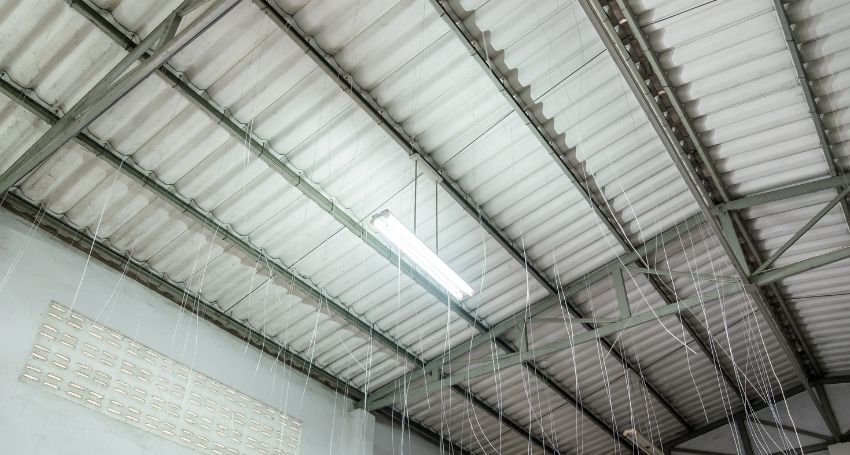
When warm, moisture-laden air inside a building rises and hits the cold underside of a corrugated sheet, it reaches its dew point. This causes water droplets to form rapidly. In uninsulated metal sheds or industrial units, this often results in “internal rain,” where condensation drips down onto tools, vehicles, or stock. Therefore, any insulation strategy must address two distinct goals: stopping heat transfer and preventing condensation.
Choosing the Best Corrugated Roof Insulation
Selecting the best corrugated roof insulation depends entirely on the material of your roof, your budget, and how you intend to use the space. Different materials offer varying levels of thermal resistance (R-values), moisture protection, and ease of installation.
Rigid Foam Insulation Panels
For high thermal performance, corrugated roof insulation panels made from rigid foam—such as PIR (polyisocyanurate) or XPS (extruded polystyrene)—are excellent choices. These panels offer exceptional thermal efficiency per millimetre of thickness. They can be cut cleanly to fit between timber rafters or fixed directly beneath the purlins to create a continuous thermal barrier. Because rigid foam does not absorb water, it maintains its insulating properties even if minor moisture ingress occurs.
Foil and Reflective Insulation
If you are dealing with tight spaces or want a lightweight solution, foil insulation for corrugated roof systems is highly effective. Multi-foil insulation blankets consist of layers of reflective foil separated by wadding or bubbles. This setup acts as a brilliant radiant barrier, bouncing heat away from the building in summer and reflecting internal heat back down in winter. Foil layers also act as a built-in vapour control layer when the seams are meticulously sealed with foil tape.
Spray Foam Insulation
For irregular shapes or hard-to-reach areas, closed-cell spray foam is a premium option. It is applied directly to the underside of the roofing sheets, expanding to fill every gap and valley perfectly. Because it adheres directly to the substrate, it eliminates the air gap entirely, preventing cold air from meeting the warm interior air and effectively wiping out condensation issues. However, it requires specialist professional installation.
How to Insulate a Corrugated Metal Roof
When considering how to insulate a corrugated metal roof, the approach varies based on whether you are installing the insulation during a new build or retrofitting an existing structure. Metal conducts heat faster than almost any other building material, making a robust installation strategy vital.
Option 1: Over-Purling (New Builds)
In new constructions, insulation is ideally installed over the structural purlins before the metal sheets are laid down. A foil-faced structural insulation blanket or rigid board is laid over the steel or timber framework. The corrugated metal sheets are then fixed through the insulation directly into the purlins below. This creates a continuous layer of under metal roof insulation that completely eliminates thermal bridging (where heat escapes through the structural framework).
Option 2: Retrofitting from Inside
If the roof is already in place, you must insulate from the underside. This requires careful management of the air gap. A minimum 25mm ventilated air space should be left between the underside of the metal sheets and the insulation material. This allows any condensation that does form to evaporate and escape through ridge or eaves vents.
To execute this, installers typically fix timber battens to the side of the rafters, press rigid foam panels up against the battens to maintain the air gap, and then seal all joints with expanding foam or tape. Finally, a vapour barrier is applied over the warm side of the insulation before adding a finish like plasterboard or plywood.
Special Consideration: Corrugated Plastic Roof Insulation
Insulating transparent or translucent roofs requires a slightly different mindset. Corrugated plastic roof insulation is typically needed for lean-tos, carports, conservatories, or agricultural outbuildings where natural light is valued but temperature extremes are unbearable.
Because plastic sheets are lightweight and often flexible, they cannot support heavy rigid insulation panels. Lightweight multi-foil insulation or thin polystyrene rolls are usually preferred here. However, applying opaque insulation beneath a plastic roof will entirely block out the natural light. If retaining light is essential, look into multi-wall polycarbonate sheets as a replacement roof option, which have internal air channels that provide built-in thermal resistance. If light is not a priority, treated timber framing can be suspended beneath the plastic to hold lightweight foil insulation securely in place.
Key Mistakes to Avoid
- Skipping the Vapour Barrier: Failing to install a dedicated vapour control layer on the warm side of the insulation allows moist indoor air to migrate into the roof structure, causing hidden rot.
- Blocking the Ventilation Paths: If you are using a ventilated roof design, ensure that your insulation does not block the airflow paths at the eaves or the ridge.
- Ignoring Thermal Bridging: Screwing internal linings directly into metal purlins without a thermal break will create cold spots that attract condensation and cause unsightly moisture lines on your ceiling.
Frequently Asked Questions
Can I glue insulation directly to a corrugated metal roof?
It is not recommended to glue rigid insulation boards directly to the underside of a corrugated metal roof unless you are using closed-cell spray foam. Metal sheets expand and contract significantly with temperature changes, which can quickly break the adhesive bond. Furthermore, gluing flat boards against corrugated ridges leaves large, unventilated air pockets that will trap moisture and cause corrosion.
What is the thinnest insulation I can use for a corrugated roof?
Multi-foil insulation is the best low-profile option. It is often only 10mm to 30mm thick but offers the thermal performance of much thicker traditional materials by reflecting radiant heat. It is perfect for low-ceiling structures where maximizing headroom is crucial.
Do I need a vapour barrier if I use foil insulation?
If the foil insulation is installed with all its seams, joints, and edges completely sealed with heavy-duty aluminium foil tape, the foil itself can act as a highly effective vapour barrier. However, any tears, punctures, or unsealed gaps will compromise this barrier, so extreme care must be taken during installation.
How do I stop my corrugated plastic roof from sweating?
“Sweating” is simply condensation. The best way to prevent this is by ensuring adequate ventilation inside the space to reduce humidity levels, combined with installing a lightweight foil insulation barrier underneath the plastic sheets to keep the warm, humid air from making contact with the cold plastic surface.