When planning a new roofing system, one material is increasingly gaining attention for its durability, versatility and modern performance: aluminum sheet material. Known for being lightweight yet impressively strong, aluminium roofing offers long-term value for homeowners, builders and commercial property owners. In this comprehensive guide, we explore why aluminium roofing sheet material is widely chosen, what makes it a dependable option, and how it compares to other roofing metals.
What Exactly Is Aluminium Roofing Sheet Material?
Aluminium roofing sheet material refers to thin, durable aluminium sheets designed for protective exterior use. These sheets are shaped, coated and engineered to withstand harsh outdoor conditions, making them ideal for roofing, cladding and building façades.
Due to its natural corrosion resistance, aluminium performs exceptionally well in the UK’s varied weather—handling rain, strong winds, coastal air and sudden temperature changes with ease.
Why Aluminium Sheet Metal for Roofing Is Becoming a Top Choice
1. Lightweight Yet Remarkably Strong
One of the biggest reasons builders prefer aluminium sheet metal for roofing is its low weight. Compared to steel or concrete tiles, aluminium place far less stress on structural components, which makes installation faster and safer. This also reduces load-bearing requirements for older buildings and wide-span commercial structures.
2. Natural Resistance to Corrosion
Aluminium does not rust. It forms a protective oxide layer that keeps moisture, salt and pollutants from weakening the material. This makes it ideal for:
- Coastal regions
- Rain-heavy environments
- Industrial areas
- Long-term building projects
Its corrosion resistance also reduces the need for frequent maintenance.
3. Long Lifespan With Minimal Upkeep
High-quality aluminium roofing systems can last 40–60 years or more. They do not crack, split, warp or deteriorate, even under extreme weather conditions. Routine cleaning and occasional inspections are typically all that is needed.
4. Excellent Heat Reflection and Energy Efficiency
Aluminium reflects a significant amount of sunlight, helping buildings stay cooler during hot months. For commercial or industrial facilities, this can support lower cooling costs and improve energy performance throughout the year.
5. Variety of Profiles and Colours
Aluminium roofing sheets come in modern profiles such as:
- Standing seam
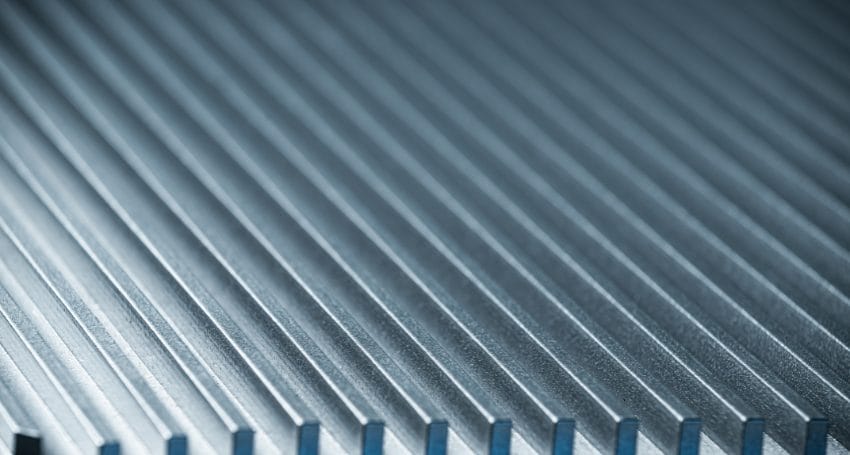
- Corrugated patterns
- Flat panels
- Architectural cladding styles
They can also be coated in multiple colours, textured finishes and protective layers to match any property style.
Comparing Aluminium Roofing with Other Metal Materials
Aluminium vs Zinc
- Aluminium is lighter, while zinc offers a more natural patina.
- Aluminium generally costs less than zinc.
- Both provide excellent durability, but aluminium is better for large roof spans.
Aluminium vs Steel
- Steel is stronger overall, but aluminium is naturally rust-free.
- Aluminium performs better in coastal environments.
- Aluminium is easier to install due to its lower weight.
Aluminium vs Copper
- Copper offers a premium aesthetic but is significantly more expensive.
- Aluminium is more budget-friendly and widely used in residential projects.
- Both last for decades with proper installation.
Popular Uses for Aluminium Roofing Sheet Material
- Domestic roof replacements
- Commercial and industrial roofs
- Lightweight roofing on extensions
- Agricultural structures
- Roofing on coastal homes
- Modern architectural cladding
- Rainwater systems and flashings
Its versatility makes it suitable for nearly every building type.
Installation Considerations for Aluminium Roofing
To ensure long-term performance, consider the following guidelines:
1. Choose Proper Thickness
Thicker sheets offer better impact resistance; discuss the right gauge with your roofing contractor.
2. Use Compatible Fasteners
Only aluminium or stainless steel fasteners should be used to avoid galvanic corrosion.
3. Ensure Professional Installation
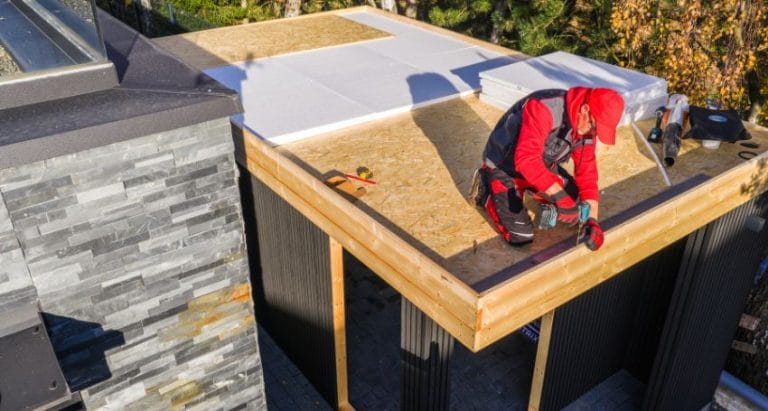
Standing seam and other aluminium systems require precision. Professional installation guarantees watertight performance.
4. Add Protective Coating if Needed
Coatings improve UV resistance and enhance colour retention.
Maintenance Tips for Long-Lasting Performance
- Clear debris from gutters and valleys
- Inspect joints and seams annually
- Avoid walking on the roof unless necessary
- Rinse off dirt and environmental build-up
With minimal effort, aluminium roofing remains structurally sound for decades.
Is Aluminium Sheet Material the Right Choice for Your Roof?
If you want a roofing material that is strong, lightweight, weather-resistant and highly cost-effective, aluminium roofing is an excellent choice. It delivers long-term value, suits all building styles and performs exceptionally well in the UK’s mixed climate. Whether for a residential project or a large industrial building, aluminium sheet material remains one of the most reliable roofing solutions available today.
FAQs About Aluminium Roofing Sheet Material
1. How long does aluminium roofing last?
Aluminium roofing typically lasts 40–60 years, often longer with proper care.
2. Is aluminium good for coastal areas?
Yes, aluminium is naturally corrosion-resistant and performs extremely well in coastal environments.
3. Does aluminium roofing make buildings hotter?
No. Aluminium reflects heat, helping to keep buildings cooler during warm weather.
4. Is aluminium roofing noisy in the rain?
Modern insulation and underlay reduce noise significantly, making aluminium no louder than traditional roofing materials.
5. Is aluminium roofing more expensive than steel?
Aluminium is usually affordable and cost-effective long term due to its long lifespan and low maintenance needs.