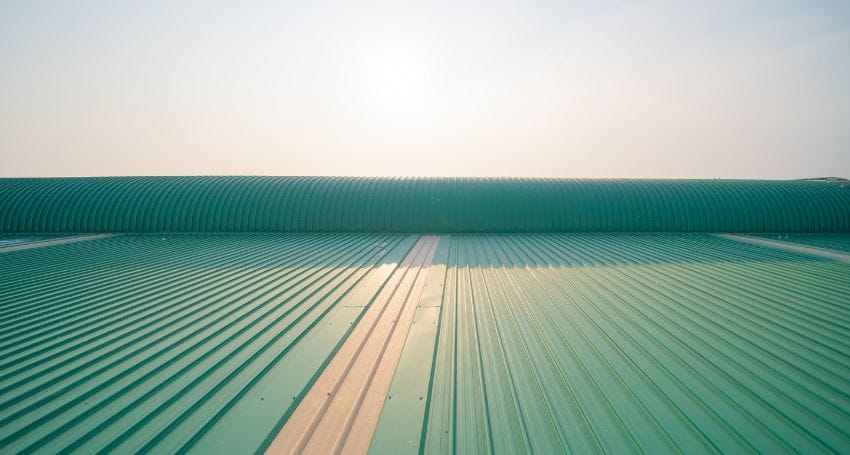
Metal sheet roofing material has become one of the most trusted choices for large commercial properties in the UK and beyond. From durability to cost-efficiency, today’s modern metal roofs offer long-term value that traditional roofing systems often fail to deliver. If you’re planning a roof upgrade or new installation, understanding why metal roofing stands out can help you make a confident decision.
In this blog, we’ll break down the major advantages of metal sheet roofing, the different metal roofing sheet types available, and how to choose the right option for your building.
Why Metal Sheet Roofing Material Is Gaining Popularity
Commercial property owners face a long list of challenges: weather resistance, maintenance costs, energy efficiency, and structural safety. Metal sheet roofing material checks all the boxes, delivering performance that lasts for decades.
Unlike outdated roofing systems that demand constant repairs, metal offers reliability and longevity, making it a smart long-term investment.
1. Exceptional Durability That Outperforms Traditional Roofing
Durability is one of the biggest reasons businesses choose metal roofing. With proper installation, a metal roof can last 40–70 years, meaning most building owners only invest in roofing once in a lifetime.
Why metal roofs last so long:
- Resistant to cracking, warping, and corrosion
- Can withstand extreme temperatures
- Designed to handle strong winds and heavy rainfall
- Less prone to leaks when maintained correctly
If you’re searching for a metal roofing durability guide, the short answer is simple: metal roofs outperform nearly every other roofing material when it comes to long-term strength.
2. Wide Range of Metal Roofing Sheet Types
Commercial buildings vary in design, structure, and performance needs. The good news is that metal roofing comes in several types, each with its own benefits.
Common metal roofing sheet types include:
- Zinc roofing sheets – extremely long-lasting with natural self-healing properties
- Copper roofing sheets – premium appearance and exceptional lifespan
- Aluminium sheets – lightweight and corrosion-resistant
- Steel roofing sheets – strong, cost-effective, and versatile
Choosing the right material depends on your budget, climate, and the architectural style of your building.
3. Lightweight Metal Roofing Options Reduce Structural Stress
Many older commercial buildings struggle with roof weight limits, especially when upgrading from heavy materials like concrete tiles. Lightweight metal roofing options make installation easier and safer.
Benefits of lightweight metal roofs:
- Less stress on the building’s structure
- Easier and quicker installation
- Lower labour costs
- Safe for large-span industrial and commercial roofs
Lightweight roofing is particularly useful for building extensions or renovations where structural load needs careful consideration.
4. Energy Efficiency and Better Indoor Comfort
Metal sheet roofing material naturally reflects sunlight rather than absorbing it, making it an excellent choice for temperature control.
If you’re wondering, is metal roofing good for hot climates? yes, absolutely.
Metal roofs help reduce heat absorption, which means:
- Lower energy costs
- More stable indoor temperatures
- Reduced strain on HVAC systems
Many commercial property owners choose metal specifically for its ability to lower long-term utility expenses.
5. Low Maintenance and Long-Term Savings
While no roof is completely maintenance-free, metal roofing requires much less upkeep compared to other options. With basic cleaning and inspections, a metal roof stays in great condition for decades.
How to maintain metal sheet roofing:
- Inspect fasteners and joints once or twice a year
- Clean debris from gutters and roof surface
- Check for sealant deterioration
- Wash the roof to remove dirt and stains
Proper maintenance prevents issues and helps the roof maintain its strength and appearance over time.
6. High Fire Resistance and Safety Confidence
Commercial buildings must meet strict safety standards, and metal roofing excels in fire-resistance ratings. Unlike materials that burn or melt easily, metal roofs provide a protective barrier that helps slow the spread of fire.
This makes metal roofing material suitable for factories, warehouses, storage facilities, and office buildings anywhere safety is a top priority.
7. Versatility for Both Commercial and Residential Use
Even though our focus here is commercial buildings, it’s worth noting that metal roofing is equally popular for homes. Many homeowners prefer metal roofing for residential homes due to its modern look and impressive lifespan.
This crossover popularity proves how versatile and effective metal sheet roofing truly is.
8. Reduced Installation Errors with Professional Expertise
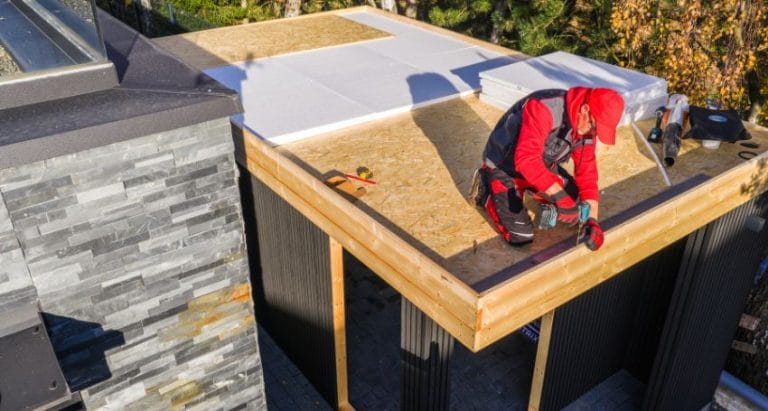
One of the biggest issues people face with roofing upgrades is incorrect installation. Metal roofs require precision, and hiring an experienced installer helps avoid common problems.
Common metal roof installation mistakes to avoid:
- Incorrect panel overlap
- Poor flashing installation
- Using the wrong fasteners
- Over-tightened or under-tightened screws
- Improper ventilation planning
Working with specialists ensures the roof performs exactly as it should.
9. Environmentally Friendly and Fully Recyclable
Sustainability matters more today than ever before, especially for commercial buildings aiming to meet green standards. Metal sheet roofing material is fully recyclable, making it one of the most eco-friendly roofing options available.
At the end of its long lifespan, the material doesn’t end up as waste it’s reused and repurposed.
10. Better Protection Against Harsh Weather
UK weather can be unpredictable and often harsh. Metal roofs are designed to handle sudden storms, intense heat, hail, and temperature changes.
Commercial structures with metal roofs often report fewer leaks, lower repair costs, and better performance throughout the year.
How to Choose Metal Sheet Roofing for Your Building
Selecting the right roofing system depends on factors such as:
- Budget
- Climate
- Building design
- Expected lifespan
- Local regulations
- Maintenance preferences
If you’re unsure how to choose metal sheet roofing for your house or commercial property, consider consulting a specialist who can assess your building and recommend the best material.
Conclusion
Metal sheet roofing material offers long-term strength, energy savings, and outstanding performance, making it a reliable choice for commercial buildings. Whether you’re looking for durability, lightweight options, or superior weather resistance, metal roofing delivers exceptional value over its lifetime.
With several types of metal roofing available and the added benefits of low maintenance, safety, and sustainability, it’s easy to see why more property owners are switching to metal.
FAQs
1. How long does metal sheet roofing material last?
A well-installed metal roof can last 40–70 years with minimal maintenance.
2. What are the most popular metal roofing sheet types?
Zinc, copper, aluminium, and steel are the most commonly used materials.
3. Is metal roofing good for hot climates?
Yes. Metal roofs reflect sunlight and help maintain cooler indoor temperatures.
4. Are metal roofs suitable for residential homes?
Absolutely. They’re durable, stylish, and energy-efficient.