Cladding installation is an increasingly popular way to improve the appearance, protection and performance of a building. From modern homes to commercial properties, external cladding can transform tired walls while providing an additional protective layer against changing UK weather conditions.
For homeowners and property developers, choosing the right cladding is about more than appearance. The material, installation method, wall construction, ventilation, insulation requirements and expected maintenance can all influence the long-term performance of the finished system.
Whether you are considering cladding on a house, planning a new-build project or looking into wall cladding installation for a commercial property, understanding the basics can help you make a more informed decision.
What Is External Cladding?
External cladding is a protective and decorative layer installed over the outside of a building. It can be manufactured from various materials, including metal, timber, fibre cement and other engineered products.
The purpose of cladding can vary depending on the building and chosen material. It may be used to:
- Create a particular architectural appearance
- Protect external walls from weather exposure
- Improve the durability of the building envelope
- Complement insulation and other building elements
- Give an older property a refreshed appearance
- Create a distinctive finish on a contemporary building
Metal cladding, including zinc and copper, is particularly valued for projects where durability and architectural character are important.
Can You Have Cladding on a House?
Yes, cladding can be installed on many types of residential properties, provided the proposed system is suitable for the building and installed correctly.
Cladding on a house can be used to cover part or all of the external walls. Some homeowners choose cladding for an entire elevation, while others use it selectively around extensions, dormers, entrances or architectural features.
The existing wall construction is an important consideration. Before installation, a professional should assess the substrate, condition of the building, moisture management and proposed fixing system.
Planning requirements can also vary depending on the property and location. Listed buildings, properties in conservation areas and certain alterations may have additional requirements, so it is sensible to establish whether permissions or approvals are needed before work begins.
How Does Cladding Installation Work?
Although installation methods vary according to the material and building design, a professional project normally begins with detailed preparation.
1. Assessing the building
The existing wall structure needs to be assessed before the cladding system is designed. This helps identify potential issues with the substrate, moisture, insulation and fixing points.
2. Selecting the cladding system
The right material and profile depend on factors such as the building’s design, exposure, performance requirements and desired appearance.
For metal cladding, the choice may include different finishes, profiles, joint arrangements and installation details.
3. Preparing the wall
The wall needs to be suitably prepared for the proposed system. Depending on the construction, this can involve installing supporting components, membranes, insulation or other elements required by the specification.
4. Creating appropriate ventilation
Many rain screen-style systems rely on a cavity behind the external cladding. Correct detailing can help manage moisture and allow the wall assembly to perform as intended.
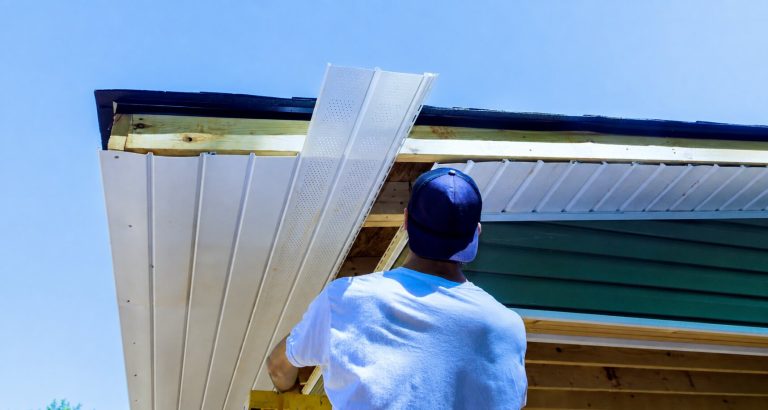
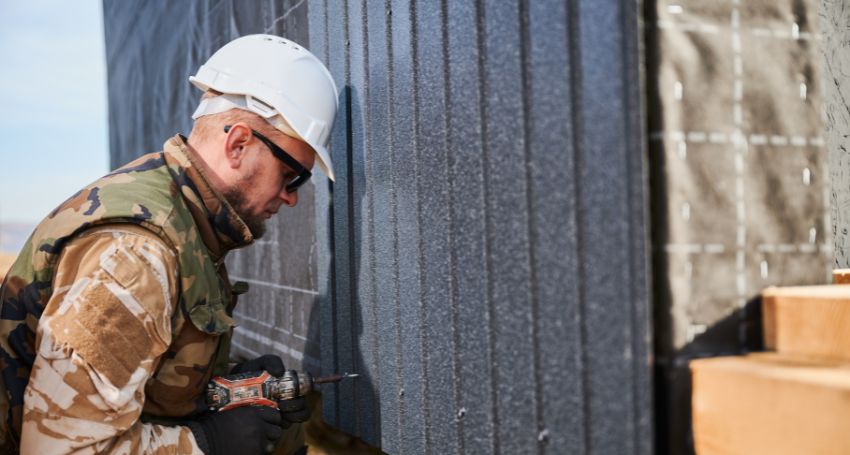
5. Installing the panels or sheets
The cladding is then fixed according to the manufacturer’s requirements and project specification. Careful alignment is particularly important because small inconsistencies can become noticeable across large elevations.
6. Finishing the details
Corners, openings, roof junctions, windows, doors and other transitions require careful detailing. These areas are essential to both the appearance and performance of the finished installation.
Considering cladding for your property? Speak with Zinc & Copper Works about your project requirements and suitable metal cladding options.
What Is Wall Cladding Installation?
Wall cladding installation refers specifically to fitting a cladding system to an external or, in some applications, internal wall surface.
External wall systems need to be designed around the building as a whole rather than treated as a simple decorative covering. The cladding, supporting structure, cavity, insulation and underlying wall construction can all work together as part of the building envelope.
This is why professional installation is important. Incorrect spacing, unsuitable fixings, poor detailing or inadequate preparation can affect the finished appearance and potentially the long-term performance of the system.
What Are the Benefits of Metal Cladding?
Metal cladding has become a popular choice in contemporary architecture because it combines practical performance with a distinctive appearance.
Durability
Quality metal cladding can provide a long-lasting external finish when the correct material, specification and installation method are selected.
Architectural appearance
Zinc and copper can create a clean, contemporary appearance while also working well with traditional architectural styles. Their finishes can develop character over time, making them suitable for projects where the building’s appearance is expected to evolve.
Design flexibility
Metal can be formed into different profiles and details, allowing architects and property owners to create distinctive elevations, rooflines and architectural features.
Low maintenance potential
Compared with some external finishes, appropriately specified metal cladding can require relatively little routine maintenance. However, the exact requirements depend on the chosen material, environment and installation.
Weather protection
A properly designed cladding system can form an important part of a building’s external weather protection strategy. Correct detailing around joints, openings and transitions is particularly important.
How Much Does Cladding Installation Cost?
There is no single price for cladding installation because every building and specification is different.
The overall cost may depend on:
- The size and complexity of the building
- The selected cladding material
- The profile and finish
- Access requirements
- Existing wall conditions
- Insulation and supporting components
- The number of windows, doors and architectural details
- Labour and installation complexity
- Site location
A simple elevation may be considerably easier to install than a building with numerous corners, openings and complicated junctions. For this reason, obtaining a project-specific quotation is generally more useful than relying on a standard price per square metre.
Does Cladding Require Maintenance?
Maintenance requirements depend on the material and the environment in which it is installed.
Regular visual inspections can help identify issues such as accidental damage, debris accumulation or problems around drainage and junctions. Cleaning requirements should follow the recommendations for the specific material rather than relying on a one-size-fits-all approach.
Zinc and copper are also distinctive because their appearance can change naturally over time. This evolving finish is one of the reasons these materials are chosen for architectural projects.
Why Professional Installation Matters
Cladding may look straightforward from the outside, but the performance of the finished system depends heavily on what happens behind the visible surface.
Professional installers need to consider the substrate, fixings, movement, ventilation, moisture management and junction details. They also need to work accurately around windows, doors, roof edges and other features.
Good installation is therefore not simply about attaching panels to a wall. It is about creating a coordinated system that works with the building’s design and construction.
Choosing the Right Cladding for Your Project
Before choosing a material, consider the building’s location, architectural style, exposure, budget and long-term requirements.
For residential projects, appearance may be particularly important. For commercial buildings, durability and maintenance may carry greater weight. On some projects, a combination of practical and aesthetic requirements will determine the final specification.
Zinc and copper can be particularly appealing where the project calls for a high-quality architectural finish combined with durable metal construction.
At Zinc & Copper Works, experience in hard metal roofing and cladding allows projects to be approached with both the practical and visual requirements in mind.
Final Thoughts
Cladding installation can make a significant difference to the appearance and performance of a property, but the quality of the finished result depends on selecting an appropriate system and installing it correctly.
Whether you are researching cladding on a house, considering metal for a new development or planning wall cladding installation for an existing building, understanding the construction, materials and installation process is an important first step.
With the right specification and professional workmanship, metal cladding can provide a durable and visually distinctive addition to a wide range of UK properties.
Planning a zinc or copper cladding project? Contact Zinc & Copper Works to discuss your requirements with an experienced team.
Frequently Asked Questions
Is cladding suitable for all houses?
Not necessarily. The suitability of a cladding system depends on the property’s construction, condition, location, design and the proposed installation method. A professional assessment can establish which options are appropriate.
Can cladding improve the appearance of an older house?
Yes. Cladding can give an older property a completely different external appearance. It can be used across an elevation or selectively to complement existing architectural features.
How long does cladding installation take?
The timescale varies according to the size and complexity of the project, the selected material, access and the condition of the existing building. A project-specific programme can provide a more accurate estimate.
Is metal cladding expensive?
The cost varies according to the metal, finish, design, building size, supporting system and installation requirements. Although some metal options have a higher initial cost, durability and long-term performance can be important factors when assessing overall value.
Does zinc cladding change colour over time?
Yes. Zinc can develop a natural surface appearance as it weathers. The rate and character of this change depend on environmental conditions and the specific product and finish selected.
Can cladding be installed over existing walls?
In some situations, yes, but the existing wall must first be assessed. The proposed cladding system needs to be compatible with the substrate and building construction, with appropriate consideration given to moisture, ventilation, insulation and structural requirements.
Is professional cladding installation necessary?
Professional installation is strongly recommended for architectural cladding. Correct preparation, fixings, alignment, ventilation and detailing around openings and junctions are important to the performance and appearance of the finished system.