Commercial flat roofing systems are an increasingly popular choice for modern buildings due to their practical design, versatility, and cost-effectiveness. Flat roofs provide an excellent solution for commercial properties, offering additional usable space, ease of installation, and long-lasting durability. These roofs can be customised to suit a wide range of commercial applications, from offices to warehouses, and even retail spaces. Understanding the various options available for flat roofing for commercial buildings, including flat roof membrane systems, commercial roof waterproofing, and the best flat roof materials, is essential for choosing the right solution for your property.
In this blog, we will explore the benefits of commercial flat roofing systems, guide you through the flat roof installation process, and examine the most effective materials and systems available for modern commercial buildings.
Advantages of Commercial Flat Roofing Systems
There are several advantages to using commercial flat roofing systems for modern buildings. One of the most appealing features is their efficient use of space. Flat roofs create additional usable areas that can be utilised for a range of purposes, such as installing HVAC units, solar panels, or even turning the roof into a green space or outdoor terrace. This is particularly useful in urban environments where space is limited.
Additionally, flat roofs are typically quicker and more cost-effective to install compared to traditional pitched roofs. The design and construction process is simpler, requiring fewer materials and less labour. For commercial buildings, which often have large roof areas, this can lead to significant savings in both construction and maintenance costs.
Another benefit of flat roofing systems is their suitability for various commercial roof applications. From industrial flat roofing solutions to more aesthetic flat roof membrane systems, flat roofs can accommodate a variety of commercial needs. These roofs also offer easy access for regular maintenance and inspections, making them more practical for building owners.
Flat Roofing for Commercial Buildings
Flat roofing for commercial buildings is an essential component of many modern structures. This type of roofing is ideal for large buildings due to its practicality, versatility, and ability to support various functional elements. Unlike pitched roofs, flat roofs allow for a more even distribution of weight, making them suitable for both large and complex designs.
In commercial buildings, flat roofs are commonly used for the storage of equipment, air conditioning units, and even solar panels. They provide a smooth, solid surface that can be customised with flat roof membrane systems to meet the specific needs of the building, such as energy efficiency, durability, and weather resistance.
Flat Roof Membrane Systems
A flat roof membrane system is one of the most commonly used solutions for commercial flat roofing systems. These membrane systems provide a seamless barrier that protects the building from the elements and prevents water from seeping into the structure. Membrane systems are highly effective for commercial roof waterproofing, making them an excellent choice for buildings in areas prone to heavy rainfall or other harsh weather conditions.
There are several types of membrane systems available for flat roofs, each offering different benefits:
- EPDM (Ethylene Propylene Diene Monomer): EPDM is a popular synthetic rubber material that is known for its durability and resistance to UV rays, ozone, and weathering. EPDM membranes are flexible and can easily adapt to the roof’s surface, providing excellent waterproofing protection.
- TPO (Thermoplastic Olefin): TPO is a single-ply roofing membrane that is highly reflective, helping to reduce the building’s cooling costs by reflecting sunlight away from the roof. TPO is also resistant to UV rays, chemicals, and punctures, making it a long-lasting and durable option for commercial buildings.
- PVC (Polyvinyl Chloride): PVC is another single-ply membrane that is known for its strong resistance to moisture, fire, and chemicals. It is a popular choice for commercial roof waterproofing because of its excellent waterproofing properties.
These flat roof membranes are designed to be lightweight and easy to install, offering long-term protection and energy efficiency for commercial buildings.
Best Flat Roof Materials
Choosing the best flat roof materials is essential to ensuring the longevity and performance of your roof. The right material will depend on factors such as climate, budget, and the intended use of the building. Here are some of the most common flat roof materials:
- Bitumen (Built-Up Roofing): Bitumen roofing is one of the oldest and most trusted roofing materials for flat roofs. It is made from layers of asphalt and reinforced with felt or fibreglass. This material is highly durable, waterproof, and cost-effective, making it ideal for large commercial roofs.
- Metal Roofing: Metal is a highly durable material that offers excellent protection against the elements. Metal flat roofing systems are often used in commercial and industrial buildings due to their strength and long lifespan. They are also highly resistant to fire and offer good energy efficiency.
- Green Roofing: Green roofing technology is an increasingly popular, eco-friendly option for flat roofs. These systems involve creating a living roof covered with plants and vegetation. Green roofs offer excellent insulation and contribute to reducing energy consumption while providing environmental benefits, such as better air quality and stormwater management.
Flat Roof Installation Guide
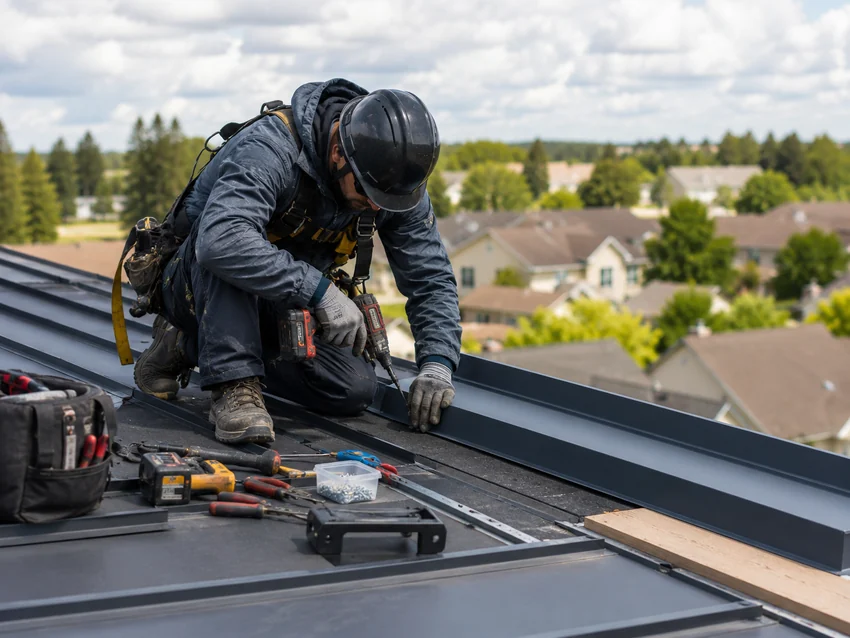
Proper installation is crucial for the longevity and effectiveness of commercial flat roofing systems. Here is a basic flat roof installation guide for commercial properties:
- Preparation: Begin by removing any existing roofing materials and ensuring the roof deck is clean and free of debris. Ensure that the deck is structurally sound and can support the weight of the new roofing system.
- Insulation: Install insulation to improve energy efficiency and prevent heat loss. Rigid foam boards or spray foam are common insulation materials used for flat roofs.
- Membrane Installation: Depending on the chosen system (e.g., EPDM, TPO, PVC), install the roofing membrane over the insulation layer. Ensure that the membrane is fully adhered to the surface and sealed properly to prevent leaks.
- Flashing and Sealing: Install flashing around edges, vents, and chimneys to ensure a watertight seal. Proper flashing is essential for preventing water penetration at vulnerable areas of the roof.
- Finishing Touches: Inspect the roof for any gaps or areas that require additional sealing. Ensure that the roof is fully waterproof and that all seams and edges are securely fastened.
Regular maintenance is also essential to prolong the life of the roof. Periodically check for signs of wear and tear, and address any issues promptly to prevent damage.
Conclusion
Commercial flat roofing systems offer a wide range of benefits for modern buildings, providing durable, energy-efficient, and cost-effective roofing solutions. Whether you are looking to implement flat roof membrane systems, improve your commercial roof waterproofing, or explore eco-friendly roofing systems, there are numerous options to suit the specific needs of your building. Choosing the right materials and installation methods will ensure that your flat roof provides long-lasting protection and efficiency for years to come.
FAQs
Why choose zinc roofing?
Zinc roofs are durable, corrosion-resistant, and can last over 100 years. They require minimal maintenance and develop a natural protective patina that strengthens over time. Zinc is also 100% recyclable, making it an eco-friendly option.
Q: Can zinc roofs match my building design?
Yes. Zinc comes in multiple finishes, pre-weathered, anodised, or coloured and can complement both modern and traditional commercial designs.
Q: How is zinc roofing installed and maintained?
Zinc panels are installed using standing seam or interlocking systems. Professional installation ensures a secure roof that adapts to temperature changes. Maintenance mainly involves regular inspections and mild cleaning if necessary.