Cool roof technology is transforming the way buildings manage heat, energy consumption and environmental impact. As temperatures rise and energy costs continue to increase across the UK, homeowners and commercial property owners are searching for smarter, more sustainable roofing solutions. Cool roofs are specifically designed to reflect more sunlight and absorb less heat than traditional roofing materials, helping to maintain lower indoor temperatures and improve overall efficiency.
What Is Cool Roof Technology?
Cool roof technology refers to roofing systems engineered to reflect solar radiation and emit absorbed heat more effectively than conventional roofs. Traditional dark roofs can reach extremely high temperatures during warm weather, transferring heat into the building below. In contrast, cool roofs use reflective roofing materials to reduce surface temperature significantly.
This technology works through two key principles:
- High solar reflectance – the ability to reflect sunlight.
- High thermal emittance – the ability to release absorbed heat quickly.
How Reflective Roofing Materials Work
Reflective roofing materials are at the core of cool roof technology. These materials may include specially coated metal sheets, light-coloured tiles, reflective membranes or advanced surface treatments.
Common reflective materials include:
- White or light-coloured roof coatings
- Reflective asphalt shingles
- Metal roofing with reflective finishes
- Single-ply membranes (such as PVC or TPO)
These materials bounce sunlight away from the roof surface rather than absorbing it. As a result, less heat enters the building, reducing reliance on air conditioning systems.
Cool Roofing Benefits for Homes and Businesses
The cool roofing benefits extend beyond simple temperature control. Installing cool roof technology offers several advantages:
Lower Energy Bills
By reducing heat absorption, energy-efficient roofing systems minimise the need for mechanical cooling. This can significantly lower electricity costs during warmer months.
Improved Indoor Comfort
Buildings fitted with cool roofs maintain more stable internal temperatures. This is particularly beneficial for top-floor rooms, loft conversions and commercial premises.
Extended Roof Lifespan
Traditional roofs expand and contract as they heat up and cool down, which can lead to cracking and deterioration. Roof heat reduction helps to reduce thermal stress, potentially increasing the lifespan of the roof.
Environmental Impact
Cool roofs contribute to sustainable roofing solutions by reducing overall energy demand. Lower energy usage means fewer carbon emissions, supporting environmental goals.
Cool Roof Technology vs Green Roof Technology
While both cool roof technology and green roof technology aim to improve sustainability, they operate differently.
Cool Roof Technology
- Reflects sunlight
- Reduces heat absorption
- Requires minimal structural changes
- Lower maintenance requirements
Green Roof Technology
- Involves vegetation planted on rooftops
- Provides natural insulation
- Improves biodiversity
- Requires structural support and ongoing maintenance
Green roof technology offers ecological benefits such as improved air quality and rainwater absorption, whereas cool roofs focus primarily on energy efficiency and heat management. In some cases, elements of both can be combined for enhanced performance.
Applications of Cool Roof Technology
Cool roof systems are suitable for a wide range of properties, including:
- Residential homes
- Schools and hospitals
- Warehouses and industrial units
- Office buildings
- Retail spaces
Flat roofs and low-slope roofs are particularly well-suited to reflective membranes, though pitched roofs can also benefit from reflective tiles or coatings.
Installation Considerations
Before installing cool roof technology, several factors should be assessed:
Roof Condition
If your existing roof is nearing the end of its lifespan, replacement may be more cost-effective than applying a reflective coating.
Climate
Although cool roofs are particularly beneficial in warmer climates, they can still offer advantages in the UK by improving summer comfort and reducing cooling costs.
Building Regulations
Ensure all materials comply with UK building standards. Professional installation ensures safety and optimal performance.
Initial Investment
While energy-efficient roofing systems may involve a higher upfront cost, long-term savings often outweigh initial expenses.
Are Cool Roofs Suitable in the UK?
Some property owners question whether cool roof technology is effective in the UK’s temperate climate. Although the UK does not experience extreme heat year-round, summer temperatures have been steadily increasing. Urban areas, in particular, can suffer from the “urban heat island” effect, where buildings and paved surfaces retain heat.
Cool roofs help mitigate this by reflecting sunlight and reducing surrounding temperatures. As energy efficiency regulations become stricter, sustainable roofing solutions are likely to play an increasingly important role in construction and renovation projects.
Maintenance and Durability
Cool roof systems generally require minimal maintenance. Periodic inspections and cleaning to remove debris will help maintain reflectivity. Over time, reflective coatings may require reapplication to maintain effectiveness.
The Future of Sustainable Roofing Solutions
With increasing focus on climate change and energy efficiency, cool roof technology is gaining recognition as a practical and affordable innovation. Advances in material science continue to improve reflectivity and durability, making energy-efficient roofing systems more accessible.
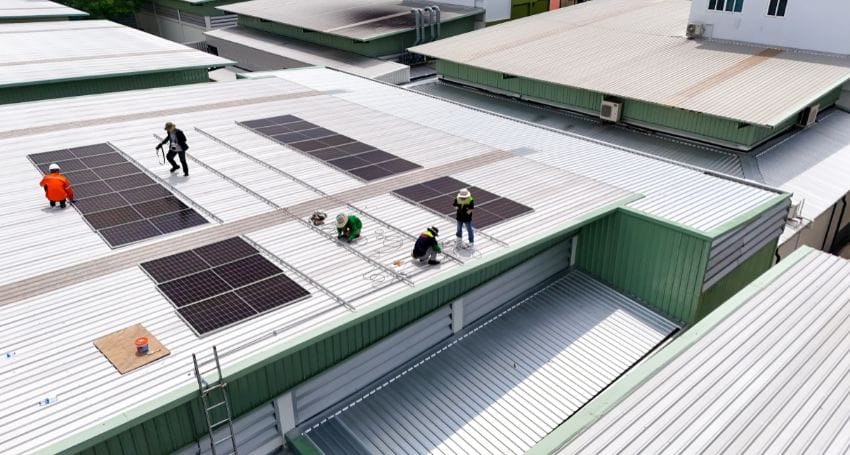
When combined with insulation upgrades, solar panels or green roof technology, cool roofs can form part of a comprehensive sustainable building strategy.
FAQs
1. What is cool roof technology?
Cool roof technology refers to roofing systems designed to reflect sunlight and reduce heat absorption, helping to improve energy efficiency and indoor comfort.
2. Do cool roofs really reduce energy costs?
Yes. By promoting roof heat reduction, cool roofs lower the demand for air conditioning, resulting in reduced energy bills during warmer months.
3. Are reflective roofing materials suitable for residential properties?
Absolutely. Reflective roofing materials can be applied to both flat and pitched roofs, making them suitable for most homes.