Copper guttering has long been regarded as the gold standard of rainwater management. When you are looking to replace your home’s drainage system, the sheer variety of metal gutter systems on the market can feel overwhelming. However, copper stands out not just as a practical choice, but as a striking architectural feature. But is it the right choice for your specific property, lifestyle, and long-term plans? Let us delve into the details to help you decide.
What Makes Copper Guttering Special?
Unlike standard plastic or basic aluminium alternatives, copper guttering offers a unique blend of structural integrity and evolving aesthetic appeal. When first installed, it boasts a bright, metallic, rose-gold sheen. Over time, exposure to the British weather initiates a natural oxidation process. This causes the metal to transition through rich shades of bronze and deep brown, eventually developing a coveted verdigris (a pale green patina).
This patina is not just beautiful; it is a protective barrier that prevents further corrosion. This self-healing characteristic is what makes copper one of the most durable metal gutter systems available.
Exploring Seamless Copper Guttering
When choosing copper, you will generally face a choice between sectional systems and seamless copper guttering. Sectional systems use pre-fabricated lengths joined together with connectors or solder. While these are highly durable, they do feature joints, which are natural weak points where blockages or minor leaks could potentially develop over decades.
In contrast, seamless systems are fabricated directly on-site to match the exact dimensions of your roofline. Because there are no joints along the straight runs, the risk of leaks is virtually eliminated. This clean, continuous line enhances both the structural reliability and the sleek, premium look of your home’s exterior.
The Anatomy of the System: Beyond the Trough
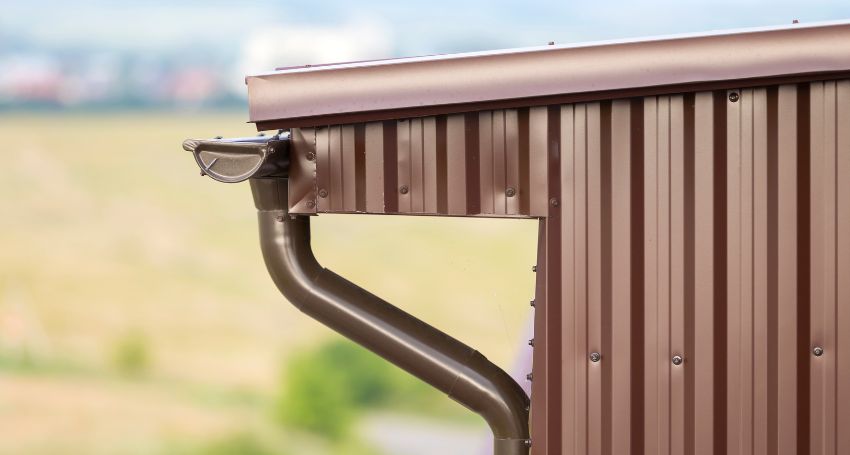
A complete system requires more than just the horizontal gutters running along your eaves. To channel water safely away from your home’s foundations, you need high-quality vertical components.
Integrating matching copper downspouts ensures that the entire system oxidises at the same rate, maintaining a unified visual appearance. These downspouts can be customised with ornate rainwater heads (hopper heads) or decorative brackets, adding a touch of traditional British heritage to modern or historic properties alike.
Copper Gutter Pros and Cons
To make an informed decision, it is essential to weigh the copper gutter pros and cons carefully.
The Pros
- Exceptional Longevity: While standard uPVC gutters might need replacing every 10 to 15 years, a well-maintained copper system can easily last upwards of a century.
- Low Maintenance: Copper is naturally resistant to algae, moss, and fungal growth. This means fewer blockages and less frequent cleaning.
- Eco-Friendly: Copper is a fully sustainable, 100% recyclable material. Choosing it reduces the amount of plastic waste destined for landfills.
- Stunning Aesthetics: The evolving patina adds undeniable character and can significantly boost your home’s kerb appeal.
The Cons
- Incompatibility with Other Metals: Copper can cause galvanic corrosion if it comes into direct contact with metals like iron, steel, or aluminium. Rainwater running off a lead roof onto copper can also cause staining, meaning the entire system must be carefully planned.
- Specialised Fitting: This is not a weekend DIY job; it requires specialist tools and skills.
- Initial Financial Outlay: When evaluating the overall copper gutters cost versus cheaper materials, the upfront investment is undeniably higher, even if the long-term value eventually balances it out.
The Importance of Professional Copper Gutter Installation
Because of the unique properties of the material, a professional copper gutter installation is absolutely vital. Copper expands and contracts with temperature fluctuations much more than plastic does. Experienced installers understand how to use expansion joints and flexible brackets to allow the metal to move without buckling or pulling away from the fascia boards.
Furthermore, traditional copper installation often relies on soldering the joints rather than using rubber seals. Soldering creates a seamless, permanent bond, but it requires a high level of craftsmanship to ensure the joints are both watertight and visually neat.
FAQs
How long does it take for copper to turn green?
In the UK climate, the transition to a full green patina typically takes between 15 and 20 years. However, this timeline is highly dependent on your local environment. Properties in coastal areas exposed to salt air, or those in highly industrialised areas with higher rainfall acidity, will see the green verdigris develop much faster than homes in dry, rural inland areas.
Can I stop my copper gutters from turning green?
Yes, if you prefer the bright, shiny, original look of new copper, you can apply a specialized clear polyurethane coating or anti-oxidant wax immediately after installation. Keep in mind that this coating will degrade over time due to UV exposure and weather, meaning you will need to reapply it every few years to maintain the polished finish.
Does copper guttering require a lot of cleaning?
Actually, copper requires very little maintenance. Because it is naturally biostatic, bacteria, moss, and lichens struggle to grow on its surface, which prevents the organic buildup common in plastic gutters. You will still need to clear out fallen leaves and twigs once or twice a year, but the structure itself requires almost no upkeep.
Is copper compatible with all types of roofing?
Generally, yes, but you must be cautious about water runoff. Rainwater flowing off a rust-prone metal roof or a roof treated with certain chemicals can react with the copper. It is always best to consult with a professional installer to ensure your roofing material won’t cause premature staining or corrosion to your new gutter system.