When it comes to flat roof drainage, proper design and maintenance are crucial for the longevity and performance of the roof. Flat roofs, while offering a sleek and modern aesthetic, can present unique challenges when it comes to managing water. Without proper drainage systems in place, standing water can accumulate, leading to structural damage, leaks, and increased maintenance costs. In this flat roof drainage design guide, we will explore how to ensure optimal water flow, the best drainage systems for flat roofs, and tips for effective flat roof water management.
Understanding Flat Roof Drainage Systems
Unlike pitched roofs, which naturally direct rainwater towards the gutters, flat roof drainage systems require careful design to prevent water from pooling. The key to managing water on a flat roof is ensuring that the roof is slightly sloped, allowing for the efficient flow of water towards drainage points. Without adequate drainage, rainwater can collect on the surface, leading to potential damage over time.
There are several factors to consider when designing flat roof drainage systems, including the slope of the roof, the type of drainage system, and the materials used. The goal is to ensure that water is directed away from the roof surface and into appropriate drainage channels, preventing blockages and potential water damage.
Best Practices for Flat Roof Drainage Design
Proper design is the foundation of an effective flat roof drainage system. Here are some key considerations to ensure optimal water flow and prevent future issues:
1. Ensure Proper Roof Slope
One of the most critical aspects of flat roof water management is the slope of the roof. While flat roofs are often designed to appear level, they should have a slight slope – typically around 1-2% – to allow water to flow towards drainage points. This small slope ensures that water does not pool on the surface, reducing the risk of leaks, ponding, and structural damage.
The slope should be uniform, avoiding any low points where water could collect. Ensuring proper drainage from the outset will help prevent expensive repairs down the line.
2. Select the Right Roof Drainage Solutions
The type of roof drainage solution you choose will depend on the size of the roof, local weather conditions, and the building’s specific needs. There are several drainage options available for flat roofs:
- Internal Drains: These drains are installed within the roof structure, typically located at the lowest points of the roof. They direct water into a system of pipes, which leads the water down to the ground. Internal drains are ideal for buildings with a clean aesthetic, as they remain hidden from view. However, they require regular maintenance to prevent blockages and backups.
- Scuppers: Scuppers are open drains that are installed at the roof’s edge. They allow water to flow off the roof and into a downpipe or gutter. Scuppers are commonly used in conjunction with internal drains and can help manage larger volumes of water.
- Gutters and Downpipes: Flat roof guttering systems are essential for guiding water off the roof and away from the building. Gutters collect rainwater from the roof surface and channel it into downpipes, which direct the water to the ground or a drainage system. Proper sizing and placement of gutters and downpipes are critical to preventing overflow and blockages.
3. Regular Maintenance and Inspection
One of the most important aspects of flat roof drainage design is regular maintenance. Over time, debris such as leaves, dirt, and moss can accumulate in gutters, downpipes, and drains, leading to clogs that can prevent water from flowing freely. Clogged drainage systems can result in water pooling on the roof, causing damage to the roof surface and potentially leaking into the building.
It is important to regularly inspect and clean the roof drainage systems to ensure they are free from debris. In addition to cleaning, it’s essential to check for any signs of wear or damage to the drainage components, such as cracks in the gutters or corroded downpipes, and to address any issues promptly.
4. Consider Using Membrane Systems
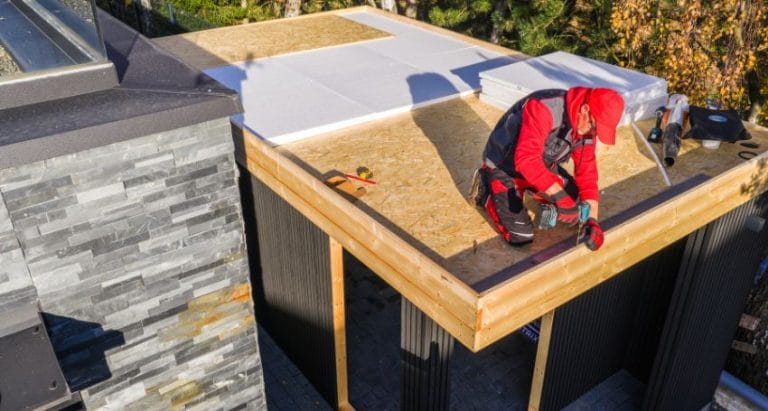
For added protection against water damage, many flat roof systems utilise a waterproof membrane that covers the entire roof. These membranes, made from materials such as EPDM (Ethylene Propylene Diene Monomer) or TPO (Thermoplastic Olefin), create a barrier that prevents water from penetrating the roof structure.
5. Ensure Proper Insulation
In addition to drainage, proper insulation is also important for flat roof water management. Poor insulation can lead to condensation build-up, which can compromise the roof structure and lead to mould growth. Insulation helps maintain the temperature of the roof, preventing moisture from forming and ensuring that water flows freely to the drains.
Installing a vapour barrier between the insulation and the membrane is an effective way to reduce condensation and ensure that water flows off the roof efficiently.
The Importance of Best Flat Roof Drainage Design
The best flat roof drainage design incorporates the proper slope, efficient drainage systems, and regular maintenance to ensure long-term durability and performance. A well-designed drainage system not only protects the roof from water damage but also helps improve the overall energy efficiency of the building by preventing water accumulation that can cause insulation issues.
Conclusion
Flat roof drainage systems play a critical role in maintaining the integrity of a building’s roof. By following the best practices outlined in this flat roof drainage design guide, you can ensure that your roof is properly designed to handle water runoff, prevent damage, and promote the longevity of the building. Regular maintenance, appropriate roof slope, and the right drainage solutions are all essential components of effective water management for flat roofs.
FAQs:
1. What is the best way to manage water on a flat roof?
The best way to manage water on a flat roof is to design the roof with a slight slope (around 1-2%) to direct water towards drainage points. Installing a combination of internal drains, scuppers, and proper flat roof guttering can also help manage water flow and prevent pooling.
2. How often should I clean my flat roof drainage system?
Flat roof drainage systems should be inspected and cleaned at least twice a year, typically in the spring and autumn. Regular cleaning ensures that gutters, downpipes, and drains are free from debris, which can prevent blockages and water damage.
3. What materials are best for flat roof drainage systems?
Common materials for flat roof drainage systems include PVC, aluminium, and steel for gutters and downpipes. For internal drains, copper and cast iron are often used due to their durability.