Flat roofs are a popular choice for both residential and commercial buildings due to their modern appearance, space efficiency, and cost-effectiveness. However, over time, even the most durable flat roofing systems begin to wear down. A timely flat roof replacement protects your property while improving insulation, drainage, and long-term performance.
This guide explains everything you need to know about flat roof replacement, including materials, warning signs, benefits, and professional installation options for homes and businesses.
Understanding Flat Roof Replacement
A flat roof replacement involves removing the existing roof covering and installing a new system designed to manage water runoff, insulation, and weather exposure. Unlike pitched roofs, flat roofs demand specialist planning and workmanship.
Both residential and commercial properties benefit from professional flat roof replacement, especially when repairs are no longer effective.
Signs You Need Flat Roof Replacement
Ignoring early damage can lead to serious structural problems. Common signs you need flat roof replacement include:
- Standing water or pooling
- Surface cracks or membrane splits
- Blistering in flat roof materials
- Interior damp patches or leaks
- Increased energy bills
When these issues persist, a full flat roof replacement is usually the most practical solution.
Flat Roof Replacement Benefits
Investing in a new roof offers clear long-term advantages.
Improved Durability
Modern flat roofing systems are designed to resist harsh weather and UV exposure.
Energy Efficiency
Upgraded insulation during flat roof installation helps regulate indoor temperatures.
Reduced Maintenance
New flat roof materials require fewer repairs over time.
Increased Property Value
A professional flat roof replacement improves both appearance and resale potential.
Choosing the Right Flat Roof Materials
Material selection plays a major role in performance and lifespan.
Best Flat Roof Replacement Materials
- EPDM Rubber Roofing – Flexible and weather-resistant
- GRP Fibreglass Roofing – Seamless and long-lasting
- Single-Ply Membranes – Lightweight and ideal for large roofs
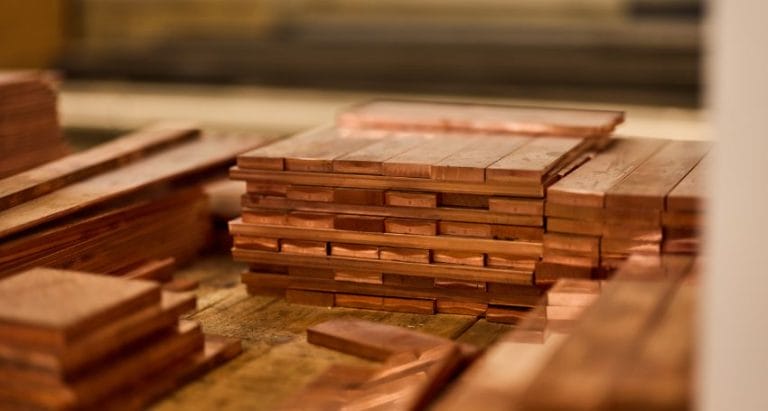
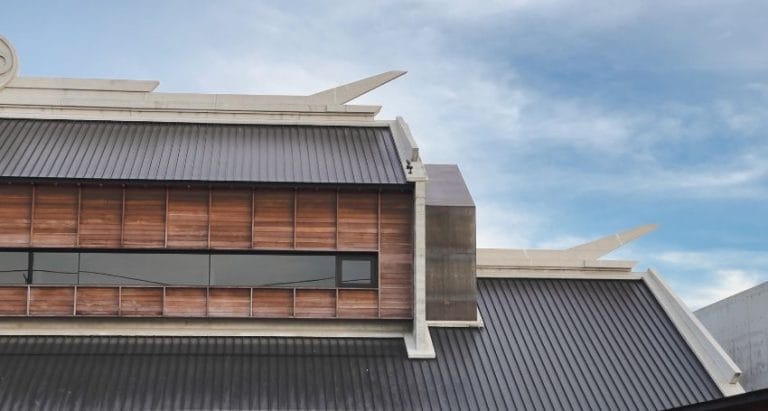
- Metal Roofing Systems – Strong, durable, and low maintenance
Choosing the best flat roof replacement materials depends on building use, budget, and environmental exposure.
Flat Roof Installation Process Explained
Understanding how to replace a flat roof helps property owners make informed decisions.
Step-by-Step Process:
- Removal of existing roof layers
- Inspection of roof deck and structure
- Installation of insulation and vapour control layers
- Application of new flat roof materials
- Sealing and drainage testing
Experienced flat roof replacement contractors follow strict standards to ensure long-term durability.
Residential Flat Roof Solutions
Modern homes increasingly use flat roofs for extensions, garages, and porches. Residential flat roof solutions focus on durability, insulation, and visual appeal.
A quality flat roof replacement for homes provides:
- Strong weather resistance
- Thermal efficiency
- Minimal maintenance
- Clean, modern design
With professional installation, residential flat roofs can perform reliably for decades.
Flat Roof Replacement for Commercial Properties
Commercial buildings require roofing systems capable of handling foot traffic, equipment loads, and larger surfaces. Flat roof replacement for commercial properties prioritises strength and performance.
Common applications include:
- Offices
- Warehouses
- Retail buildings
- Industrial units
Skilled flat roof replacement contractors ensure compliance with safety and performance standards.
Why Choose Professional Flat Roof Replacement
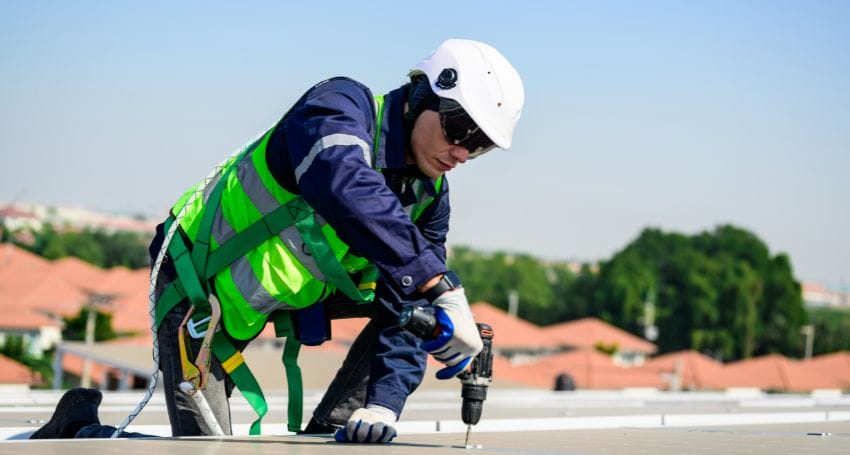
Attempting major roofing work without expertise can cause long-term damage. Hiring professional flat roof replacement specialists provides peace of mind.
Key Advantages:
- Correct flat roof materials selection
- Proper drainage design
- Safe installation practices
- Warranty-backed workmanship
Professional installation ensures your flat roofing systems perform reliably year after year.
How to Replace a Flat Roof the Right Way
Knowing how to replace a flat roof starts with inspection and ends with expert installation. Poor workmanship often leads to leaks and early failure.
This is why choosing professional flat roof replacement contractors is the safest and most cost-effective approach.
Conclusion
A well-planned flat roof replacement is a valuable investment for both residential and commercial properties. From selecting the best flat roof replacement materials to expert flat roof installation, every detail matters.
For dependable workmanship and long-lasting roofing solutions, Zinc & Copper Works delivers reliable, high-quality flat roofing systems built for performance and durability.
Frequently Asked Questions
What are the main signs you need flat roof replacement?
Persistent leaks, surface cracks, water pooling, and repeated repairs are strong indicators.
What are the flat roof replacement benefits?
Improved insulation, durability, reduced maintenance, and increased property value.
Which are the best flat roof replacement materials?
EPDM, GRP fibreglass, and metal roofing systems are widely used for long-term reliability.
Is flat roof installation suitable for residential properties?
Yes, residential flat roof solutions are ideal for extensions, garages, and modern homes.
Why hire flat roof replacement contractors?
Professionals ensure correct installation, drainage, and long-lasting performance.