Metal roofing installation is a key factor in creating a durable, long-lasting, and visually appealing roof for any property. Whether you are building a new home, replacing an old roof, or upgrading to a modern metal roof, understanding the process, materials, and benefits of metal roofing installation ensures your investment provides maximum performance.
At Zinc and Copper Works, we specialise in professional metal roofing installation using high-quality metals such as zinc, copper, and aluminum. This guide provides homeowners with essential information about the process, types of materials, step-by-step installation, and the advantages of choosing a professional service.
Why Metal Roofing Installation is Important
Metal roofs are known for their durability, low maintenance, and long lifespan, but the performance of a metal roof heavily depends on proper installation. Professional metal roofing installation ensures:
- Panels are aligned and fixed securely
- Edges, joints, and penetrations are properly sealed
- Structural integrity is maintained
- The roof is fully waterproof and resistant to leaks
- Longevity of materials and reduced maintenance costs
Incorrect installation can result in leaks, warping, or decreased lifespan. Using skilled installers ensures your metal roof performs optimally for decades.
Popular Materials for Metal Roofing Installation
Choosing the right material is critical for a successful installation. Common metals include:
Zinc Roofing
Zinc is durable, self-healing, and naturally forms a protective patina over time, which increases corrosion resistance and reduces maintenance. Zinc is ideal for both flat and pitched roofs.
Advantages:
- Lifespan of 80 years or more
- Minimal maintenance
- Modern, clean finish
Copper Roofing
Copper offers a premium look and exceptional longevity. It develops a green patina over time, protecting the surface while creating a timeless aesthetic.
Advantages:
- Lifespan over 100 years
- Strong corrosion resistance
- Unique visual appeal
Aluminum Roofing
Aluminum is lightweight, corrosion-resistant, and easy to handle. It works well for residential and commercial projects requiring low-weight roofing solutions.
Advantages:
- Easy to install
- Resistant to corrosion
- Recyclable and environmentally friendly
Step-by-Step Metal Roofing Installation Process
Professional metal roofing installation follows a precise series of steps:
1. Roof Assessment and Preparation
The roof structure is inspected to ensure it is sound and stable. Any existing damage is repaired, and the surface is cleaned for panel installation.
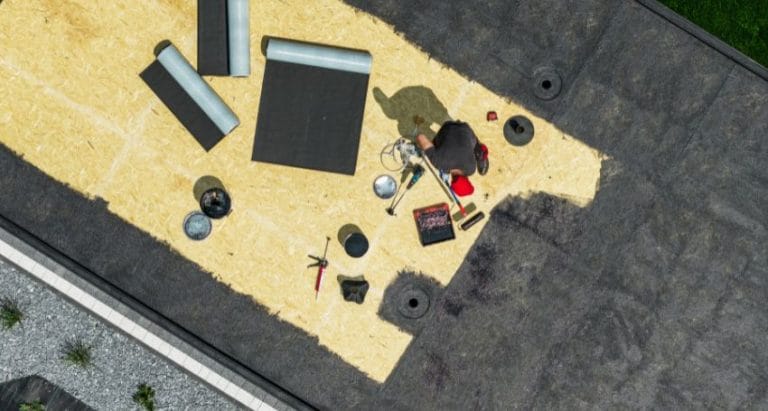
2. Installing the Underlayment
A waterproof underlayment is applied to protect the roof deck from moisture and provide an additional barrier against leaks.
3. Adding Insulation (Optional)
Insulation improves energy efficiency, maintains comfortable indoor temperatures, and reduces heat loss.
4. Installing Metal Panels
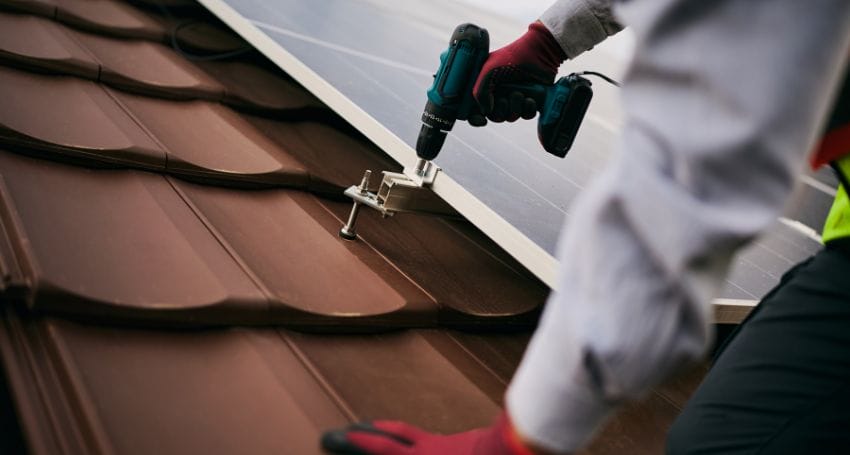
Panels are carefully aligned, cut, and secured using screws, clips, or concealed fasteners. Proper overlaps ensure water cannot penetrate between panels.
5. Sealing and Flashing
Flashing and high-quality sealants are applied to edges, joints, and roof penetrations such as vents and chimneys. This step is essential for waterproofing.
6. Final Inspection
A thorough inspection ensures panels are secure, joints are sealed, and the roof is watertight and properly finished.
Benefits of Metal Roofing Installation
Durability
Metal roofs resist corrosion, extreme weather, and general wear, lasting significantly longer than traditional roofing materials.
Low Maintenance
Metal roofs require minimal upkeep. Proper installation ensures that potential leaks or damage are prevented, saving homeowners time and cost.
Energy Efficiency
Metal roofs reflect heat, reducing energy consumption and keeping homes cooler during hot weather.
Aesthetic Appeal
Metal roofing offers clean, modern lines and a variety of finishes that enhance a property’s appearance and value.
Sustainability
Metal roofs are recyclable and eco-friendly. They last longer than many other roofing materials, reducing the need for replacements.
Common Applications of Metal Roofing Installation
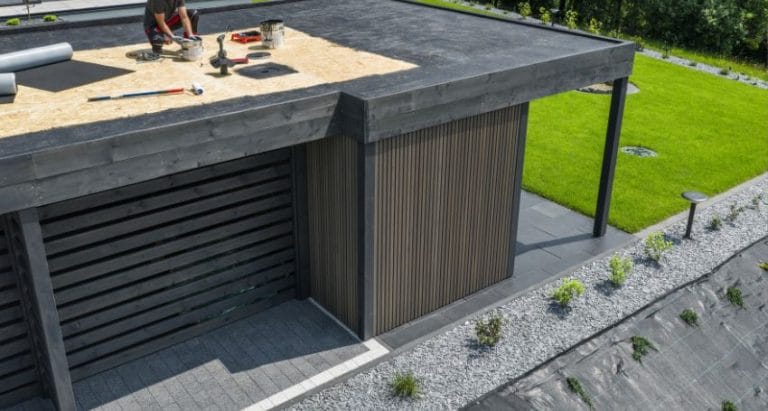
- Residential Homes: Ideal for pitched and flat roof projects, home extensions, and contemporary designs.
- Commercial Buildings: Offers durability and low maintenance for warehouses, offices, and industrial facilities.
- Renovations: Can be installed over existing roofing structures to upgrade durability and aesthetic appeal.
FAQs About Metal Roofing Installation
Q1: What is metal roofing installation?
Metal roofing installation is the process of fitting metal panels onto a roof, including alignment, fastening, sealing, and flashing.
Q2: How long does metal roofing installation take?
Most residential roofs can be installed within a few days, depending on size and material.
Q3: Do metal roofs require maintenance?
Metal roofs are low-maintenance, but regular inspections ensure flashings, sealants, and fasteners remain secure.
Q4: Can metal roofing be installed over existing roofs?
Yes, in many cases, metal panels can be installed over existing roofs if the underlying structure is stable.
Q5: Why hire professionals for metal roofing installation?
Professional installation ensures durability, prevents leaks, maintains warranties, and ensures long-term performance.