Roof repair tips are essential for homeowners who want to keep their property protected from water damage, structural issues, and costly repairs. The roof is one of the most important components of any building because it shields the home from rain, wind, and other environmental conditions. Over time, however, roofs can develop issues due to ageing materials, weather exposure, or poor maintenance. Understanding how to identify and resolve common roofing problems can help homeowners avoid expensive repairs and maintain the durability of their roof.
By following practical roof maintenance tips and learning basic repair techniques, homeowners can extend the lifespan of their roofing system and ensure their home remains safe and weatherproof.
Understanding Common Roofing Problems
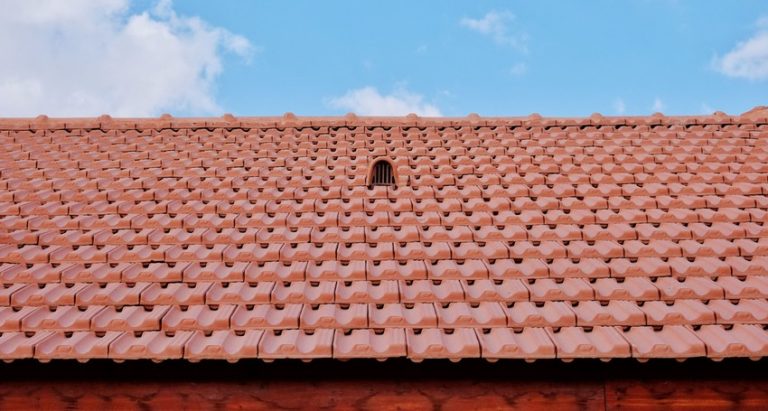
Before applying any DIY roof repair tips, it is important to understand the most frequent roofing issues that occur in residential properties. One of the most common problems is roof leaks. Water can enter through damaged tiles or shingles, cracked flashing, or deteriorated sealant around roof fixtures.
Another typical issue involves loose or missing roofing materials. Strong winds, storms, and heavy rain can loosen tiles or shingles, leaving sections of the roof exposed to moisture.
Blocked gutters are another contributor to roofing damage. When gutters become clogged with leaves and debris, rainwater cannot drain properly. This can cause water to pool on the roof or flow beneath roofing materials, increasing the risk of leaks.
Poor ventilation is also a major concern. Without proper airflow in the loft space, heat and moisture can build up beneath the roof. This can lead to mould growth and cause roofing materials to deteriorate faster than expected.
Recognising these common roofing problems early allows homeowners to address them before they lead to serious structural damage.
Roof Maintenance Tips to Prevent Damage
Prevention is always better than repair. Regular inspections and simple roof maintenance tips can significantly reduce the likelihood of major roofing issues.
Homeowners should inspect their roof at least twice a year, ideally in the spring and autumn. During these inspections, look for cracked or missing tiles, damaged flashing, and any visible signs of wear.
Keeping gutters clean is another essential maintenance task. Removing leaves, moss, and debris ensures that rainwater flows freely through the drainage system.
Trimming overhanging branches is also recommended. Tree branches that hang over the roof can drop debris or scrape against roofing materials during windy weather.
Another important maintenance step is checking the loft for signs of moisture or water stains. These indicators may suggest a developing leak that needs immediate attention.
Following these routine roof maintenance tips can help homeowners detect small problems before they become major repairs.
Roof Leak Repair Guide
A reliable roof leak repair guide can help homeowners deal with one of the most urgent roofing issues—water intrusion. The first step in repairing a leak is identifying the source.
Water stains on ceilings or damp patches on walls are common signs of a roof leak. However, the entry point for water may be located higher up on the roof surface.
Inspect the roof for broken or missing tiles, damaged flashing around chimneys or vents, and deteriorated sealant around roof fixtures. Once the damaged area is identified, the necessary repairs can begin.
Replacing damaged tiles or shingles is often the most effective solution. In some cases, applying roofing sealant to small cracks or gaps can prevent water from entering the structure.
If flashing around chimneys or roof windows is loose or damaged, it may need to be resealed or replaced. Proper flashing installation is essential for preventing leaks.
For complex or persistent leaks, it is advisable to consult a professional roofing contractor.
DIY Roof Repair Tips for Homeowners
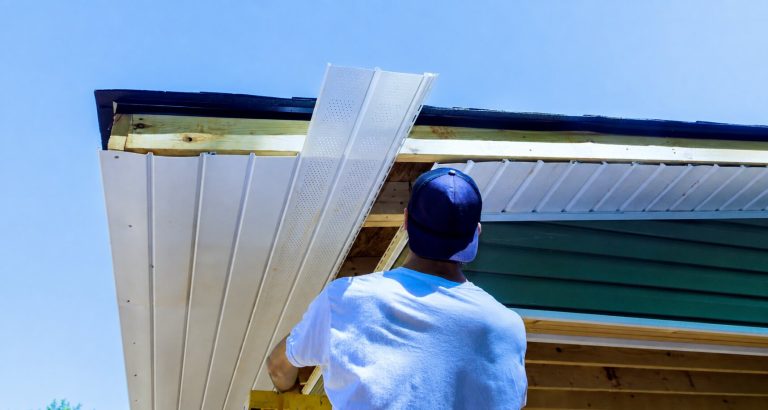
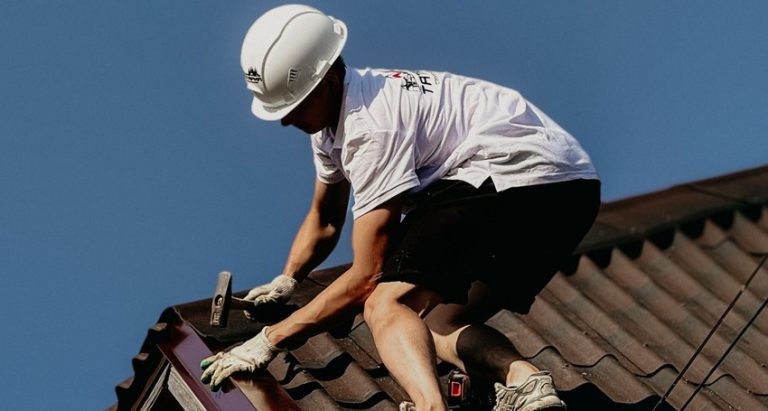
Many minor roofing issues can be addressed with simple DIY roof repair tips, but safety should always be the top priority. Before attempting any repairs, ensure you have a stable ladder, proper footwear, and appropriate safety equipment.
One common repair task is replacing damaged roofing tiles or shingles. Carefully remove the damaged piece and replace it with a new one secured with roofing nails or clips.
Small cracks or gaps can often be sealed using roofing cement or waterproof sealant. This prevents water from penetrating vulnerable areas.
Cleaning debris from the roof is another important maintenance task. Leaves, moss, and dirt can trap moisture, which accelerates roofing deterioration.
However, homeowners should avoid carrying out repairs during wet or windy conditions, as these conditions increase the risk of accidents.
How to Fix Roof Damage After Severe Weather
Storms and strong winds can cause considerable roofing damage. Knowing how to fix roof damage after severe weather can help prevent further issues.
Start by inspecting the roof from ground level for visible damage such as missing tiles, fallen branches, or debris accumulation.
If it is safe to access the roof, remove loose debris carefully and replace any missing tiles or shingles. Temporary repairs, such as covering damaged areas with a waterproof sheet, can help prevent water from entering the home until permanent repairs are completed.
In cases where structural damage has occurred, professional roofers should conduct a thorough inspection and carry out the necessary repairs.
Creating a Personal Roof Repair Guide
Developing a personal roof repair guide can help homeowners stay organised when maintaining their roofing system. This guide may include inspection schedules, maintenance checklists, and records of previous repairs.
Keeping track of maintenance and repair activities helps homeowners identify recurring issues and plan preventative measures. It also ensures that small problems are addressed before they escalate into costly structural repairs.
With consistent maintenance and timely repairs, homeowners can significantly extend the lifespan of their roof and protect their property from weather-related damage.
Conclusion
Following practical roof repair tips can help homeowners maintain a strong and durable roofing system. By understanding common roofing problems, applying effective roof maintenance tips, and using a reliable roof leak repair guide, homeowners can address minor issues before they become major repairs.
While many small repairs can be completed using DIY roof repair tips, serious or extensive damage should always be handled by experienced professionals. Regular inspections and proper maintenance are key to keeping your roof in excellent condition for many years.
FAQs
What are the most common roof problems homeowners face?
The most common roof problems include leaks, broken or missing tiles, damaged flashing, blocked gutters, poor ventilation, and weather-related damage. These issues can get worse over time if they are not repaired early.
How often should I inspect my roof?
Homeowners should inspect their roof at least twice a year, ideally during spring and autumn. It is also useful to check the roof after storms, strong winds, or heavy rainfall.
How can I identify a roof leak?
Signs of a roof leak include water stains on ceilings, damp patches on walls, and visible damage to roofing materials.
Can I repair a small roof leak myself?
Small leaks may be repaired using roofing sealant or by replacing a damaged tile or shingle. However, if the leak is difficult to locate, keeps returning, or involves flashing, chimneys, roof windows, or structural damage, it is better to contact a professional roofer.
When should I call a professional roofer?
You should call a professional roofer if the roof damage is extensive, the leak keeps returning, flashing is badly damaged, the roof is unsafe to access, or there are signs of structural damage after severe weather.