Zinc standing seam cladding has rapidly emerged as one of the most prestigious choices for contemporary architecture, offering an unrivalled combination of durability, modern aesthetics, and sculptural flexibility. From striking urban residential builds to bold commercial developments, this innovative envelope material transforms simple structures into architectural statements.
Historically favoured across European capitals for centuries, zinc has evolved from a traditional roofing material into a highly sought-after solution for vertical facades. In this comprehensive guide, we explore the design benefits, technical specifications, and long-term value of incorporating zinc into your next building project.
What is Zinc Standing Seam Cladding?
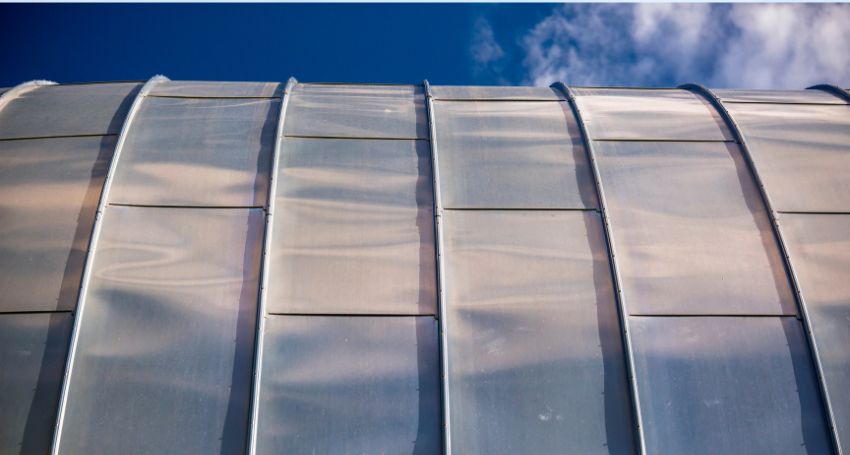
To appreciate why this material is so highly regarded, it is helpful to understand how zinc wall cladding systems are constructed. Standing seam cladding consists of pre-formed or site-rolled metal panels that are joined together along their longitudinal edges. The “seam” refers to the folded vertical upstand where two adjacent panels meet.
These seams are mechanically zipped or folded together over concealed metal clips secured to the substrate. Because the clips are hidden within the seams, there are no exposed screw penetrations through the face of the metal. This prioritises weatherproofing and allows the zinc to expand and contract naturally with temperature fluctuations without putting stress on the fixings.
While standing seam is a classic profile for metal roofing, applying this exact mechanical methodology to vertical walls delivers a crisp, linear aesthetic. Architects frequently utilise this crossover to wrap an entire building—running the panels seamlessly from the ground, up the facade, and over the roofline to create a striking, monolithic structure.
The Aesthetic and Architectural Benefits
When designers select architectural zinc panels, they are investing in a material that matures gracefully over time. Unlike paint-finished metals that can fade or peel under ultraviolet light, zinc interacts dynamically with its environment.
The Self-Healing Patina
Through a natural process called oxidisation, raw zinc reacts with carbon dioxide and moisture in the atmosphere to develop a protective layer known as a patina. This patina shields the underlying metal from moisture and pollutants. Remarkably, if the surface is scratched or scuffed during a storm, the patina will gradually self-heal over time, erasing minor blemishes.
Modern Design Versatility
Selecting modern exterior zinc cladding gives designers access to an incredibly diverse palette of finishes:
- Natural Zinc: Initially bright and metallic, it gradually weathers to a classic, slate-grey matt finish.
- Pre-Patinated Zinc: Chemically treated during manufacturing to bypass the initial shiny phase, offering an immediate weathered grey, charcoal, or blue-grey appearance.
- Pigmented Zinc: Infused with mineral pigments, offering subtle organic hues of dark green, brick red, or deep blue while preserving the visible, tactile grain of the metal.
Technical Considerations and Wall Details
Successfully executing standing seam metal siding requires meticulous planning and a deep understanding of metal building physics. Working with a specialist installer is crucial to ensure the system performs beautifully for generations.
Ventilated vs. Non-Ventilated Systems
Zinc must be protected from moisture build-up on its underside to prevent “white rust” (zinc hydroxide formation). The industry standard for vertical installations is a ventilated wall cavity. This involves installing the zinc panels over a timber boarding or metal deck, separated from the building’s insulation by a clear airflow gap. This ventilation channel allows any condensation that forms on the back of the panel to evaporate harmlessly.
Managing Thermal Movement
Zinc expands when warm and contracts when cold. To accommodate this physical movement without buckling the facade, installers use a combination of fixed and sliding clips. The placement of these clips depends on the slope of the wall and the overall panel length. Paying close attention to standing seam wall details around window frames, corners, parapets, and roof junctions ensures that the building remains completely watertight while allowing the metal to breathe and shift.
The Long-Term Investment
For many developers, evaluating the overall zinc cladding cost is a crucial part of the specification process. While the initial material and specialist labour investment for zinc is higher than that of timber, render, or composite panels, its life-cycle value is exceptional.
Zinc requires virtually no ongoing maintenance. There is no need for repainting, sealing, or chemical washing. When installed correctly over a properly ventilated substrate, a zinc facade can easily last between 70 and 100 years, often outliving the building itself. Furthermore, zinc is 100% recyclable. At the end of the building’s lifespan, the cladding panels can be fully reclaimed and repurposed, making it an exceptionally sustainable choice for eco-conscious developments.
Frequently Asked Questions
Can zinc standing seam cladding be used alongside zinc roofing?
Absolutely. In fact, one of the most popular contemporary design trends is the “wrapper” effect, where the standing seam panels transition continuously from the roof down the facade. This requires precise alignment of the seams at the eaves to maintain clean, uninterrupted vertical lines, creating a beautifully cohesive building envelope.
How does zinc perform in coastal environments?
Zinc is highly resilient in coastal areas. The salt-rich atmosphere actually aids the patination process, helping the protective layer form quickly. However, marine environments can cause the patina to develop a slightly lighter, sea-salt colour. High-grade architectural zinc panels are specifically engineered to withstand these harsh conditions without rusting.
Does standing seam cladding suffer from “oil canning”?
Oil canning refers to the visible, wavy distortion that sometimes appears in flat areas of metal panels. While it is a natural characteristic of all thin-gauge metals, it can be minimised. Using thicker gauge zinc (typically 0.7mm or 0.8mm), choosing narrower panel widths, and ensuring the underlying substrate is perfectly flat will significantly reduce the appearance of oil canning on your walls.