Zinc gutters are a strong and long-lasting choice for UK homes, commercial buildings, and architectural properties that need reliable rainwater protection. In a country where heavy rain, damp weather, and seasonal temperature changes are common, a good guttering system is not just a finishing detail. It plays an important role in moving water away from the roof, walls, foundations, and external surfaces of a building.
When rainwater is not managed properly, it can lead to damp patches, staining, leaks, damaged brickwork, rotten timber, and even structural issues over time. This is why many property owners, architects, and contractors choose zinc guttering for projects where durability, appearance, and performance matter.
Why Zinc Gutters Are Popular in the UK
Zinc has been used in roofing and rainwater systems for many years because it performs well in different weather conditions. It is naturally resistant to corrosion and develops a protective surface layer as it ages. This layer helps protect the metal from the elements, making zinc gutters suitable for long-term use.
Another reason zinc is popular is its appearance. It has a clean, elegant, and natural finish that works well with both modern and traditional buildings. Over time, zinc develops a soft patina, giving the surface a more mature and refined look. This makes it especially suitable for high-quality roofing projects, extensions, listed-style buildings, commercial properties, and contemporary homes.
Unlike some plastic guttering systems, zinc does not easily fade, crack, or become brittle due to weather exposure. This makes it a strong option for property owners who want a system that looks good and performs well for many years.
The Role of Zinc Rainwater Systems
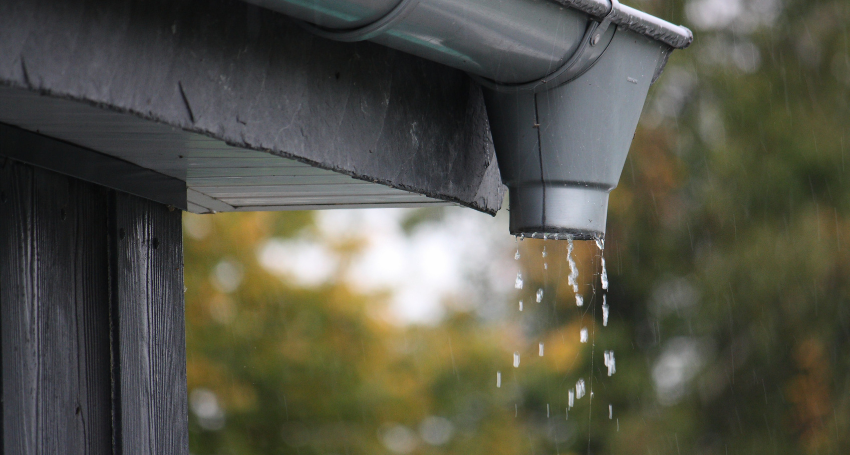
Zinc rainwater systems include gutters, downpipes, outlets, brackets, and other components that work together to control the flow of water from the roof. The gutter collects rainwater from the roof edge, while zinc downpipes carry that water safely down to the drainage system.
A well-designed rainwater system helps reduce the risk of water running down external walls or collecting near the base of the property. This is important because uncontrolled rainwater can cause damp, staining, and damage to the building fabric.
Professional design and installation are key. The size of the roof, the expected rainfall, the shape of the building, and the position of drainage points all need to be considered. If the system is too small or poorly positioned, water may overflow during heavy rainfall.
Zinc Guttering Compared with Other Metal Gutters
There are different types of metal gutters available, including aluminium, steel, copper, and zinc. Each material has its own benefits, but zinc offers a good balance between strength, appearance, and lifespan.
Aluminium is lightweight and often cost-effective, but it may not offer the same premium natural finish as zinc. Copper is also highly durable and visually striking, but it is usually more expensive and has a distinctive colour change over time. Steel can be strong, but it may need protective coatings to avoid corrosion, depending on the environment.
Zinc guttering is often chosen when the client wants a natural metal finish with a long service life and a subtle, high-quality appearance. It is suitable for many different property styles and can be used alongside zinc roofing, slate, tile, copper, aluminium, or other roof finishes when specified correctly.
Where Zinc Roof Gutters Are Used
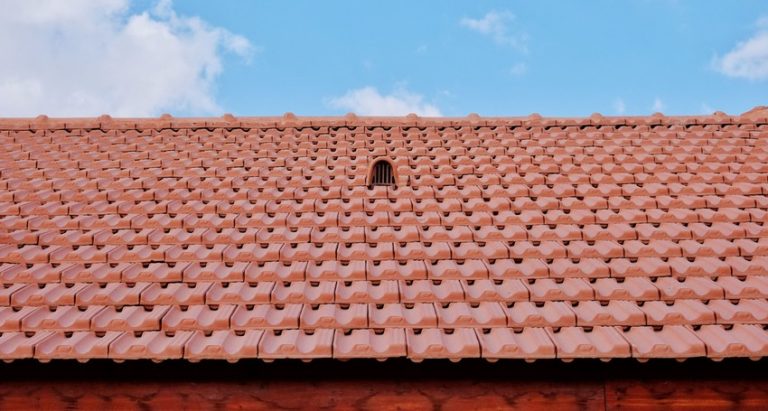
Zinc roof gutters can be used on many types of buildings. They are commonly seen on residential homes, extensions, period-style properties, commercial buildings, schools, public buildings, and modern architectural projects.
They are also a natural choice for zinc roofing projects because the materials work well together visually and technically. In modern homes, zinc gutters can help create a clean and minimal roofline. On more traditional buildings, they can add a premium finish without looking too harsh or overly modern.
Zinc is also useful where the guttering is visible and forms part of the building’s external design. Rather than hiding the rainwater system, some projects use zinc as a feature because of its neat, natural, and attractive appearance.
The Importance of Professional Zinc Gutter Installation
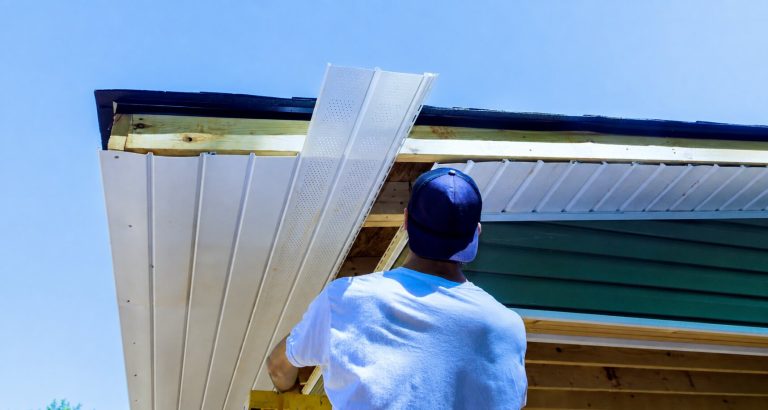
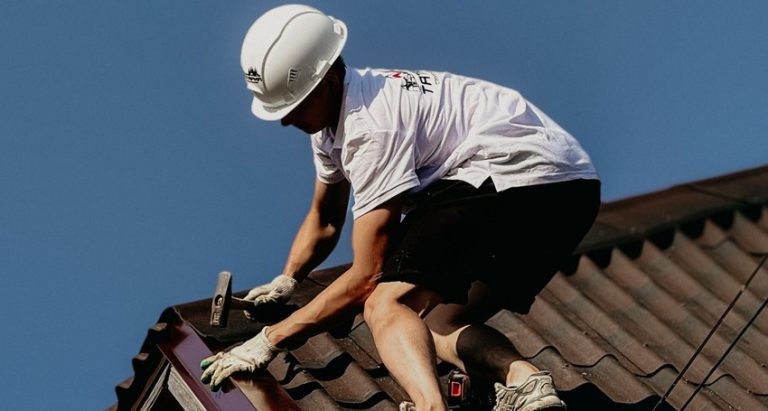
Zinc gutter installation should always be carried out by skilled professionals who understand metal roofing and rainwater systems. Zinc needs to be handled, joined, and fixed correctly to allow for movement caused by temperature changes.
Like many metals, zinc expands and contracts as the weather changes. If it is fixed too tightly or detailed incorrectly, the system may suffer from stress, distortion, or joint failure. Proper installation helps avoid these problems and ensures the guttering can move naturally without causing damage.
The installer should also make sure the gutters have the correct fall, suitable support, neat joints, and properly placed outlets. The connection between gutters, downpipes, and the roof edge must be carefully detailed to prevent leaks and overflow.
Poor installation can reduce the lifespan of the system, even when high-quality materials are used. This is why choosing a contractor with experience in zinc rainwater systems is so important.
Benefits of Zinc Downpipes
Zinc downpipes are often used with zinc guttering to create a complete and consistent rainwater system. They carry water from the gutter to the ground drainage system and help protect the building from water damage.
One of the main benefits of zinc downpipes is their durability. They are strong enough for external use and can withstand regular exposure to rain and changing weather. They also match the appearance of zinc gutters, creating a clean and unified finish across the property.
Downpipes need to be placed carefully so they manage water flow effectively. If there are not enough downpipes, or if they are too small for the amount of rainwater collected, the guttering system may overflow. A professional installer can calculate what is needed based on the roof area and building design.
Maintenance and Lifespan of Zinc Gutters
Zinc gutters are generally low maintenance, but they still need basic care. Leaves, moss, dirt, and debris can collect in the gutter over time, especially near trees or on roofs with complex shapes. If this material blocks the water flow, it can cause overflow and put pressure on the system.
It is sensible to inspect gutters at least once or twice a year, especially after autumn or periods of heavy rain. Cleaning the gutters and checking outlets can help keep the system working properly.
With correct installation and regular maintenance, zinc guttering can last for many years. Its natural resistance to corrosion and weathering makes it a strong long-term option for UK properties.
Are Zinc Gutters Worth It?
Zinc gutters can cost more than some basic guttering options, but they offer long-term value. Their durability, natural appearance, and low maintenance needs make them suitable for property owners who want a lasting rainwater solution rather than a short-term fix.
They are especially worth considering for premium homes, commercial buildings, renovations, extensions, and projects where the roofline is part of the design. When installed properly, zinc rainwater systems can protect the property while improving its external appearance.
For anyone planning a roofing or cladding project, zinc gutters are a practical and attractive option that can support the overall performance of the building.
FAQs
How long do zinc gutters last?
Zinc gutters can last for many years when they are installed correctly and maintained properly. Their natural protective patina helps them resist corrosion and weather damage, making them a durable choice for UK buildings.
Are zinc gutters better than plastic gutters?
Zinc gutters are usually stronger, longer-lasting, and more visually attractive than plastic gutters. Plastic can be cheaper, but it may fade, crack, or become brittle over time. Zinc is often chosen for higher-quality roofing and rainwater systems.
Do zinc gutters need much maintenance?
Zinc gutters do not need heavy maintenance, but they should be checked and cleaned regularly. Removing leaves, moss, and debris helps prevent blockages and overflow, especially during wet seasons.
Can zinc guttering be used with any roof?
Zinc guttering can be used with many roof types, including metal, slate, tile, and flat roofing systems. However, the design must be specified correctly to avoid compatibility issues with other materials.
How much does zinc gutter installation cost?
The cost of zinc gutter installation depends on the size of the property, gutter profile, number of downpipes, access requirements, and project complexity. A professional survey is the best way to get an accurate price.
Are zinc downpipes necessary with zinc gutters?
Zinc downpipes are not always required, but they are commonly used to create a complete zinc rainwater system. They provide a matching finish and help carry water safely from the roof to the drainage system.