Solar roof installation is becoming one of the most practical and sustainable upgrades for modern homeowners across the UK. With rising energy prices and increased awareness of environmental responsibility, more households are investing in solar roof panels to generate their own electricity. Whether you are renovating, building a new property, or simply looking to reduce your energy bills, understanding how a rooftop solar system works is essential.
What Is Solar Roof Installation?
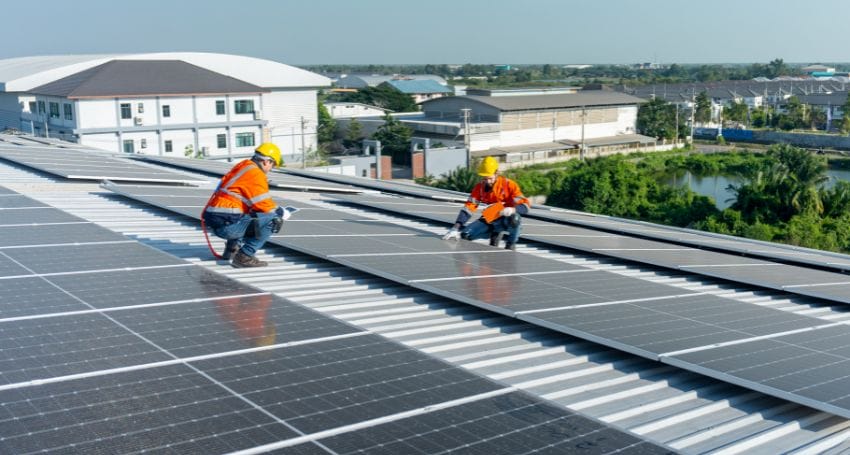
Solar roof installation refers to fitting solar technology directly onto or into your roof structure so your home can generate electricity from sunlight. There are two main types:
- Traditional solar roof panels are mounted above existing roof tiles.
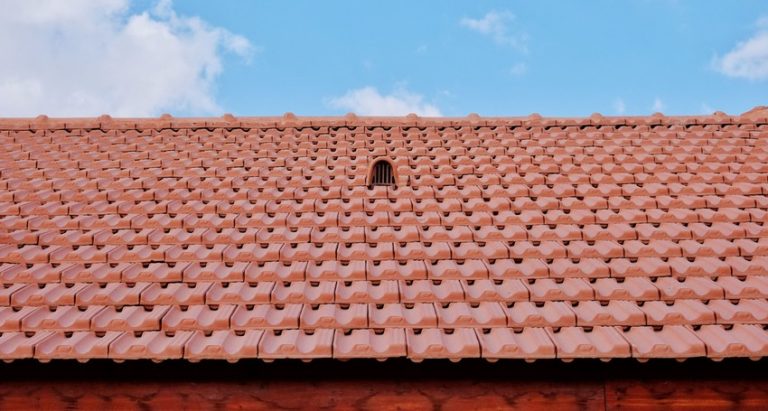
- Solar tile installation, where solar tiles replace traditional roofing materials and integrate seamlessly into the roof.
Both options form part of a rooftop solar system that converts sunlight into usable electricity for your home.
How Solar Energy for Homes Works
Solar energy for homes is generated using photovoltaic (PV) cells within solar roof panels. These cells capture sunlight and convert it into direct current (DC) electricity. An inverter then converts this into alternating current (AC), which powers household appliances.
Any excess electricity can:
- Be stored in a battery system for later use.
- Be exported back to the grid (depending on your tariff agreement).
- Reduce your reliance on traditional energy suppliers.
This allows homeowners to lower energy bills and reduce carbon emissions simultaneously.
The Solar Roof Installation Process
Understanding the installation process helps you prepare properly.
1. Initial Assessment
A professional installer will assess:
- Roof orientation (south-facing roofs are ideal in the UK)
- Roof pitch and structure
- Shading from trees or neighbouring buildings
- Electrical system compatibility
Not every roof is immediately suitable, but adjustments can often be made.
2. System Design
Based on your energy usage and roof size, the installer will design a rooftop solar system tailored to your property. This includes calculating how many solar roof panels are needed and estimating projected energy output.
3. Planning Permission and Regulations
In most UK cases, residential solar roofing does not require full planning permission, as it falls under permitted development. However, listed buildings or properties in conservation areas may require approval.
Installations must comply with building regulations and be carried out by certified professionals.
4. Installation Day
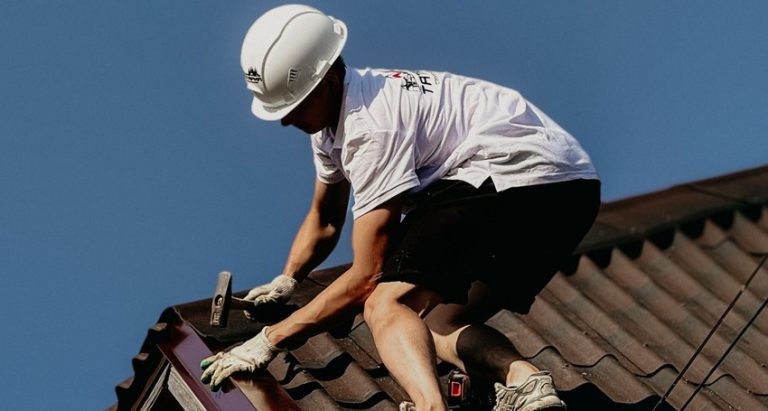
The fitting of solar roof panels typically takes one to three days. Solar tile installation may take longer as it replaces existing roof materials.
Once installed, the system is connected to your home’s electrical supply and tested for safety and efficiency.
Solar Roofing Cost: What to Expect
One of the most common questions homeowners ask concerns solar roofing cost.
The cost of solar roof installation depends on:
- The size of the system
- The type of panels or solar tiles used
- Roof complexity
- Battery storage inclusion
- Installation labour
On average, in the UK, a standard rooftop solar system for a typical home may cost between £5,000 and £8,000. Solar tile installation is generally more expensive because it replaces traditional roofing materials.
Although the upfront cost may seem significant, long-term savings on electricity bills and potential government incentives can make it a worthwhile investment.
Benefits of Residential Solar Roofing
There are numerous advantages to installing solar roof panels:
Lower Energy Bills
Generating your own electricity reduces dependence on energy suppliers and protects against rising tariffs.
Increased Property Value
Homes with solar energy for homes systems often attract higher resale values.
Environmental Benefits
Solar power is renewable and produces no direct carbon emissions, supporting a greener future.
Energy Independence
With battery storage, homeowners can use stored electricity during peak times or power outages.
Solar Roof Panels vs Solar Tiles
When considering solar roof installation, it’s important to choose between traditional panels and solar tiles.
Solar Roof Panels
- Mounted above existing roofing
- More affordable
- Easier to install and maintain
- Slightly more visible
Solar Tile Installation
- Integrated into the roof
- Sleeker appearance
- Higher cost
- Ideal for new builds or major renovations
The right option depends on your budget, aesthetic preference and property structure.
Maintenance and Longevity
A rooftop solar system requires minimal maintenance.
- Panels should be kept free of heavy dirt or debris.
- Annual inspections are recommended.
- Inverters may need replacement after 10–15 years.
- Solar roof panels typically last 25 years or more.
Regular checks ensure optimal efficiency and long-term reliability.
Is Solar Roof Installation Right for You?
Solar roof installation is ideal for homeowners who:
- Have a suitable roof orientation
- Plan to stay in their property long term
- Want to reduce energy bills
- Are committed to sustainable living
FAQs
1. How long does solar roof installation take?
Most solar roof panels can be installed within one to three days. Solar tile installation may take longer, especially if replacing an entire roof.
2. What is the average solar roofing cost in the UK?
A typical residential solar roofing system costs between £5,000 and £8,000, depending on size and equipment.
3. Do solar roof panels work on cloudy days?
Yes. Solar energy for homes can still be generated in cloudy conditions, though output may be reduced compared to bright sunlight.