When it comes to choosing the best roofing options for homes in the UK countryside, the selection of roofing materials is crucial to ensure longevity, weather resistance, and aesthetic appeal. The UK’s rural areas are known for their picturesque charm, but they also experience diverse weather conditions, from heavy rainfall to snow, strong winds, and intense sunlight. Therefore, the roofing materials for rural homes need to be durable, weather-resistant, and in harmony with the natural surroundings.
Whether you’re building a new home or replacing an existing roof, it’s essential to choose materials that can withstand the elements while complementing the traditional and contemporary aesthetics of the countryside. This blog will explore the best roofing options for rural properties, offering advice on countryside roof materials in the UK, and providing insight into weather-resistant roofing in the UK that suits the demands of rural life.
Durable Roofing for UK Weather
The UK countryside is known for its unpredictable and often harsh weather, so it’s vital to select durable roofing for UK weather conditions. In rural areas, where homes may be more exposed to the elements, your roofing material must protect your home from heavy rain, high winds, and even the occasional snowstorm. The right material will not only offer protection but will also reduce maintenance costs and ensure your roof lasts for many years.
Some of the most durable roofing materials include:
1. Slate Roofing
Slate roofing is a traditional and highly durable option that has been used in the UK for centuries. Known for its longevity, a well-maintained slate roof can last over 100 years, making it an excellent choice for homeowners looking for a long-term investment. Slate is naturally water-resistant, fire-resistant, and can withstand even the harshest UK weather conditions. Its timeless appeal also adds character to rural properties, especially when matched with the traditional stone cottages common in the countryside.
2. Clay and Concrete Tiles
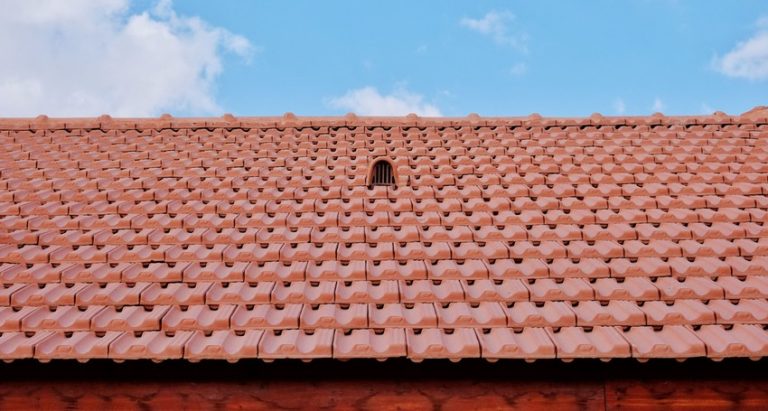
Another popular choice in the UK countryside is clay and concrete tiles. These materials are weather-resistant and have a long lifespan, offering excellent protection against heavy rainfall and strong winds. Clay tiles, in particular, are well-suited for rural homes, as they provide a rustic aesthetic that complements the natural landscape. Concrete tiles are more affordable than clay, but both options offer strong, reliable coverage.
Both clay and concrete tiles are highly resistant to moss and algae growth, making them ideal for homes in rural areas where such growth is common due to damp conditions.
3. Thatched Roofs
Thatched roofing is one of the most traditional roofing styles in the UK and is still commonly seen on cottages and homes in rural areas. Made from natural materials such as straw, reeds, or heather, thatched roofs offer excellent insulation properties, keeping homes cool in summer and warm in winter. The natural appearance of thatched roofs complements the idyllic beauty of the countryside.
However, thatched roofs require regular maintenance to keep them in good condition. While they provide charm and warmth, they may not be as durable as other roofing materials in the face of extreme weather, such as heavy rain or snow, unless they are properly cared for.
Rural Home Roofing Solutions
Rural homes often present unique challenges when it comes to roofing. From the need for materials that can withstand the elements to a desire for aesthetically pleasing and energy-efficient options, there are a variety of rural home roofing solutions available.
4. Metal Roofing
Metal roofing has become an increasingly popular choice for rural homes in the UK due to its durability and resistance to extreme weather conditions. Metal roofs are particularly suitable for properties that need strong protection against high winds, heavy rain, or even snow. Made from materials such as steel, aluminium, or copper, metal roofs offer long-lasting protection with minimal maintenance. They are also energy-efficient, helping to regulate indoor temperatures and reduce energy costs.
Metal roofs are available in a range of styles, including standing seam, corrugated, and tile-effect panels, allowing for a modern or more traditional appearance.
5. Cedar Shingles
For those seeking a natural yet stylish roofing option, cedar shingles offer a perfect balance of beauty and durability. While not as widely used as slate or tiles, cedar shingles are becoming increasingly popular in rural areas due to their aesthetic appeal and resilience. Cedar is naturally resistant to rot and insects, making it an excellent choice for homes in rural locations. Over time, cedar shingles develop a lovely weathered grey patina, giving a rustic charm that complements the natural surroundings.
Cedar shingles also provide natural insulation, helping to regulate temperatures inside the home and reduce energy consumption.
Traditional UK Roofing Styles
For many homeowners in the UK countryside, traditional UK roofing styles are a crucial consideration when selecting materials. These roofs not only need to perform well against the elements but also complement the historical architecture and landscape of rural areas. Many countryside properties are listed buildings or part of conservation areas, meaning the roofing materials chosen need to fit in with the character and charm of the area.
6. Copper Roofing
Copper roofing offers a traditional yet modern solution for those seeking a high-quality and long-lasting material. Often used for turrets, dormers, and other architectural features, copper provides a distinct, attractive finish that evolves over time, gaining a greenish patina that adds character to any building.
Copper is incredibly durable, offering excellent protection against the UK’s weather conditions. While more expensive than other materials, its longevity and low maintenance requirements make it a valuable choice for properties with a traditional or historic design.
Flat Roofs for Rural Properties
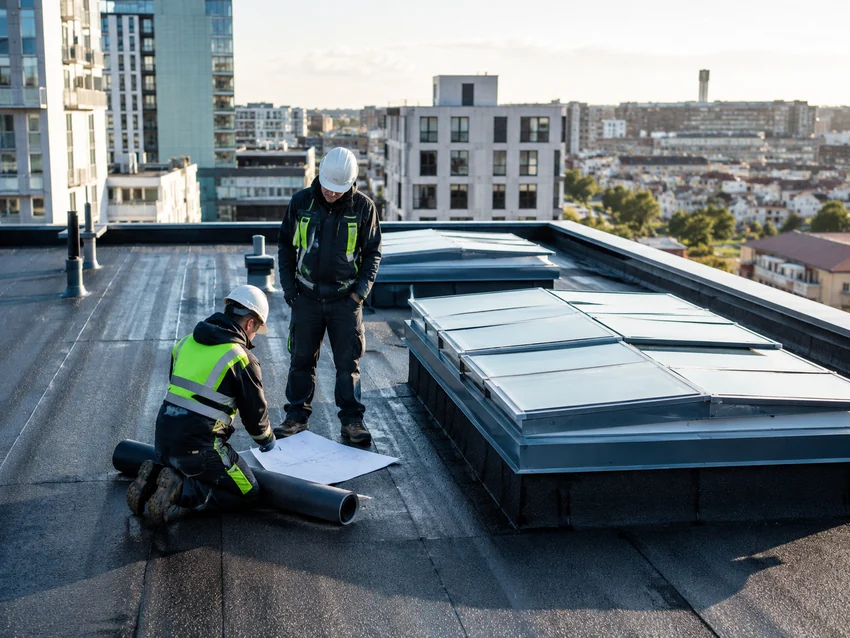
While pitched roofs are more common in the countryside, flat roof options can also be used for rural properties, especially for modern or minimalist designs. Flat roof solutions such as EPDM rubber or built-up felt roofing systems are practical, cost-effective, and can be fitted with additional features such as solar panels. These options are increasingly popular for extensions or new builds where a contemporary design is desired.
Roof Maintenance Tips for Countryside Homes
Maintaining a roof in the UK countryside requires attention to detail, especially with the country’s varied weather patterns. Here are some roof maintenance tips to keep in mind:
- Regular inspections: Check the roof for missing tiles, moss, or damage after heavy storms or snowfalls.
- Clean the gutters: Blocked gutters can cause water damage, so keep them clear of debris.
- Treat for moss: Moss can accumulate on rooftops in damp conditions, so regular treatment can prolong the lifespan of roofing materials.
- Address leaks quickly: Leaks should be addressed immediately to prevent water damage inside the home.
Conclusion
Selecting the best roofing options for a rural home in the UK is essential for ensuring durability, energy efficiency, and aesthetic appeal. Whether you opt for the timeless elegance of slate, the rustic charm of thatch, or the modern reliability of metal, choosing the right materials is vital for the longevity of your roof. Remember, proper maintenance and timely repairs are equally important in extending the life of your roof, so keep an eye on potential issues and act quickly when necessary.
FAQs
What are the best roofing materials for rural homes in the UK?
The best roofing materials for rural homes include slate, clay and concrete tiles, thatch, metal roofing, and cedar shingles, depending on the specific needs of the property.
How do I maintain a thatched roof?
A thatched roof requires regular inspections for wear and tear, particularly after storms. It should be re-thatched every 10 to 15 years to ensure longevity and effectiveness.
What are the benefits of copper roofing?
Copper roofing is durable, resistant to corrosion, and provides a unique aesthetic that evolves over time, making it ideal for historic and modern rural properties.
Is metal roofing suitable for rural homes in the UK?
Yes. Metal roofing is suitable for rural homes because it is durable, weather-resistant, low-maintenance, and energy-efficient. It is especially useful for homes exposed to strong winds, heavy rain, or snow.