Facade cladding is an important part of modern building design because it protects the outer structure while also shaping the appearance of the property. For homes, commercial spaces, offices, extensions, and public buildings across the UK, the facade is often the first thing people notice. It gives the building character, improves weather resistance, and can help create a cleaner, more modern finish.
A well-designed facade does more than make a building look attractive. It can support insulation, reduce maintenance needs, improve durability, and protect the structure from rain, wind, and changing temperatures. This is why many property owners, architects, and developers choose professional cladding systems when planning new builds, refurbishments, or exterior upgrades.
What Is Facade Cladding?
Facade cladding is the external layer fixed to the outside of a building. It is not usually the main structural wall, but it works as a protective and decorative skin. This outer layer helps shield the building from weather damage while giving the property a finished look.
There are many types of exterior wall cladding available, including metal, timber, fibre cement, stone, composite, and other specialist materials. Each option has a different appearance, lifespan, and level of maintenance. The right choice depends on the design goal, building type, location, budget, and performance requirements.
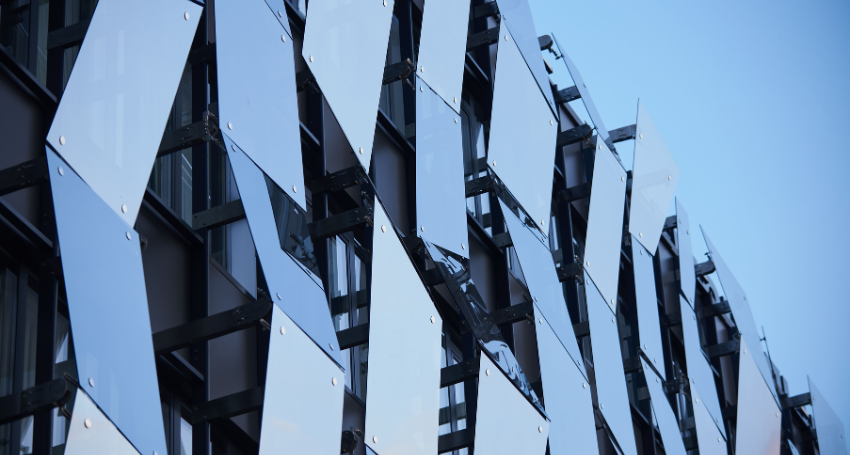
For modern UK buildings, metal facade cladding is a popular option because it offers strength, clean lines, and long-lasting visual appeal. Materials such as zinc, copper, aluminium, and steel can be used to create stylish facades that suit both contemporary and traditional architecture.
Why Facade Cladding Matters
The exterior of a building is constantly exposed to rain, wind, sunlight, frost, and pollution. Without proper protection, the outer walls can become damaged over time. Building facade cladding helps add a reliable layer of defence while improving the overall design.
Good cladding can help manage moisture, reduce the risk of water penetration, and protect the underlying wall system. It can also hide older surfaces during refurbishment work, giving a tired building a fresh and modern appearance without completely rebuilding the structure.
Facade cladding is also important from a design point of view. It allows architects and property owners to create a specific style, whether the aim is sleek and minimal, traditional and refined, or bold and architectural. The choice of material, colour, texture, and panel layout all influence the final result.
Popular Types of Cladding Panels
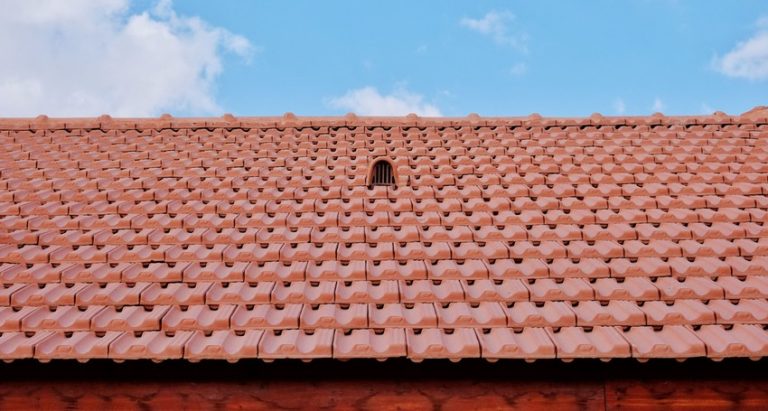
Cladding panels come in different materials and finishes. Metal panels are often chosen for buildings that need a durable and modern exterior. Zinc panels can create a soft, elegant look that develops naturally over time. Copper panels offer a premium finish and gradually form a distinctive patina. Aluminium panels are lightweight and versatile, while steel panels are valued for strength and practicality.
Other cladding materials may also be suitable depending on the project. Timber can add warmth, stone can create a solid traditional feel, and composite panels can offer a modern appearance with different colour options. However, the final choice should always consider the building’s location, exposure, planning requirements, and long-term maintenance needs.
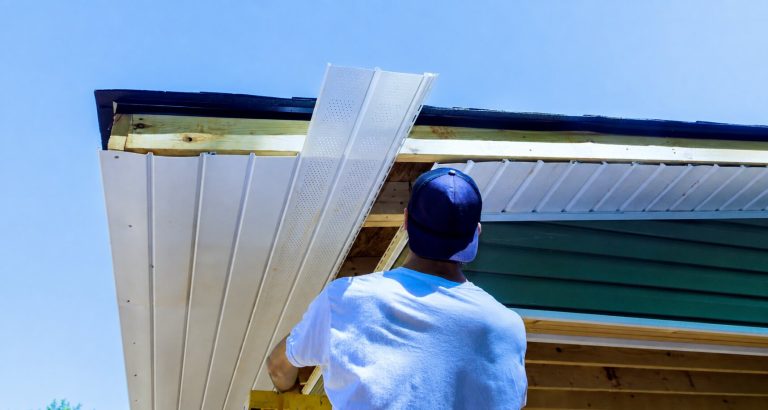
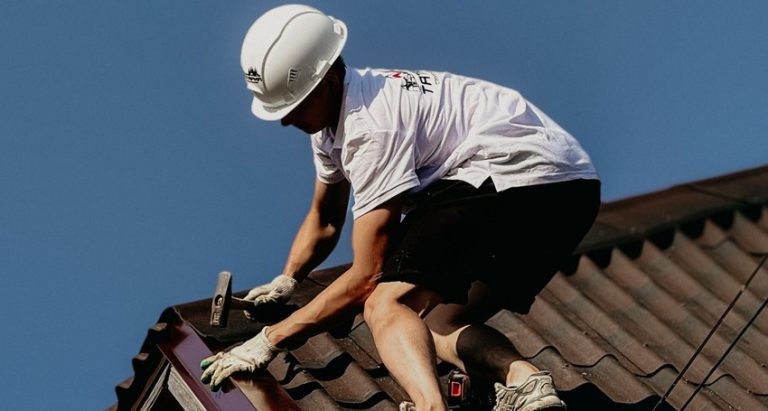
The installation method is just as important as the material itself. Poorly fitted cladding can lead to water issues, movement problems, and an uneven finish. Professional installation helps ensure the panels are aligned correctly, fixed securely, and detailed properly around corners, windows, doors, and roof edges.
Metal Facade Cladding for Modern Buildings
Metal facade cladding is widely used in modern architecture because it combines durability with design flexibility. It can be used on full building elevations, feature walls, extensions, dormers, commercial units, and high-end residential projects.
One of the main advantages of metal cladding is its clean appearance. It can create sharp lines and a premium finish that works well with glass, brick, render, stone, and timber. This makes it suitable for both new developments and older buildings that need a modern update.
Metal materials can also perform well in the UK climate when installed correctly. Zinc, copper, aluminium, and coated steel are all used in exterior applications because they can resist weathering and provide a long-lasting outer layer. With the right detailing and maintenance, metal cladding can help protect the building while keeping its appearance attractive for many years.
Architectural Cladding and Design Flexibility
Architectural cladding is often used when the appearance of the building is just as important as its performance. It allows designers to create unique shapes, patterns, textures, and finishes. For example, panels can be installed vertically, horizontally, or in more complex layouts depending on the project.
Facade design can influence how a building feels from the outside. Light coloured panels may create a clean and bright appearance, while darker finishes can make the building look bold and modern. Natural metals such as zinc and copper can bring depth and character because their appearance changes gradually over time.
Cladding can also be used to highlight certain parts of a building. A feature entrance, roofline, upper floor, or extension can stand out with a carefully selected cladding material. This gives property owners more control over the style and visual impact of the building.
Facade Cladding for Refurbishment Projects
Facade cladding is not only used for new buildings. It can also be a practical solution for refurbishment projects. Many older buildings have worn, dated, or damaged exterior surfaces. Instead of replacing the entire wall structure, cladding can be installed to improve the look and performance of the property.
This can be especially useful for commercial premises, where the appearance of the building affects how customers, tenants, and visitors see the business. A fresh exterior can make the property look more professional and well-maintained.
For residential buildings, cladding can improve kerb appeal and help modernise extensions, garden rooms, dormers, and external walls. When combined with proper insulation and weatherproofing, it can also contribute to a more comfortable and efficient building.
Choosing the Right Facade Cladding Contractor
Choosing the right contractor is essential for a successful cladding project. A professional contractor should understand materials, fixings, ventilation, weatherproofing, and detailing. They should also be able to advise on which system is suitable for the building and its surroundings.
Before starting the project, it is worth asking about previous cladding work, material options, installation methods, and maintenance requirements. A reliable contractor should provide clear guidance and explain how the cladding system will be installed.
Good workmanship is especially important around windows, doors, corners, joints, and roof connections. These areas need careful detailing to prevent water problems and ensure the finished facade looks neat and consistent.
Long-Term Benefits of Facade Cladding
When properly designed and installed, facade cladding can offer long-term benefits for both homes and commercial buildings. It can improve weather protection, refresh the appearance of the property, and support a more modern architectural style.
It can also reduce the need for frequent exterior maintenance, depending on the material chosen. Some metals naturally weather over time, while others have protective coatings designed to maintain their appearance. Regular inspections and basic care can help keep the facade in good condition.
For property owners planning a new project or exterior upgrade, facade cladding is a practical and visually appealing option. With the right material and expert installation, it can transform the building while giving it a strong and reliable outer layer.
FAQs
What is facade cladding used for?
Facade cladding is used to protect the outside of a building and improve its appearance. It acts as an external layer that helps shield the structure from the weather while creating a finished design.
Which material is best for facade cladding?
The best material depends on the building, budget, location, and design style. Metal facade cladding, such as zinc, copper, aluminium, and steel, is popular for modern UK buildings because it is durable and visually appealing.
Is exterior wall cladding suitable for homes?
Yes, exterior wall cladding can be used on homes, extensions, dormers, and garden rooms. It can improve the look of the property and provide extra protection against the weather.
How long does building facade cladding last?
The lifespan depends on the material, installation quality, and maintenance. High-quality cladding panels installed by professionals can last for many years, especially when inspected and maintained properly.
Does facade cladding need maintenance?
Most cladding systems need some level of maintenance, but the amount depends on the material. Regular inspections, cleaning, and checking joints or fixings can help keep the facade in good condition.
Can facade cladding improve the look of an old building?
Yes, facade cladding is often used in refurbishment projects to modernise tired or outdated buildings. It can cover worn exterior surfaces and give the property a cleaner, more attractive finish.