Metal roof flashing is the single most critical defence mechanism against water ingress, structural dampness, and costly repairs in modern architectural roofing. While high-quality roof panels or slates absorb the brunt of heavy rainfall and squalls, the joints, valleys, eaves, and wall intersections remain vulnerable points where water naturally seeks entry. Without professionally specified and installed flashing components, even the most expensive roofing material will fail long before its intended lifespan.
In the unpredictable climate of the United Kingdom and Northern Europe, proper weatherproofing demands continuous, corrosion-resistant barriers that divert water away from critical seams. In this comprehensive guide, we examine how high-performance flashing materials, precise installation methods, and tailored profiles work in tandem to secure structural integrity for decades to come.
Understanding Roof Edge Flashing and Water Diversion
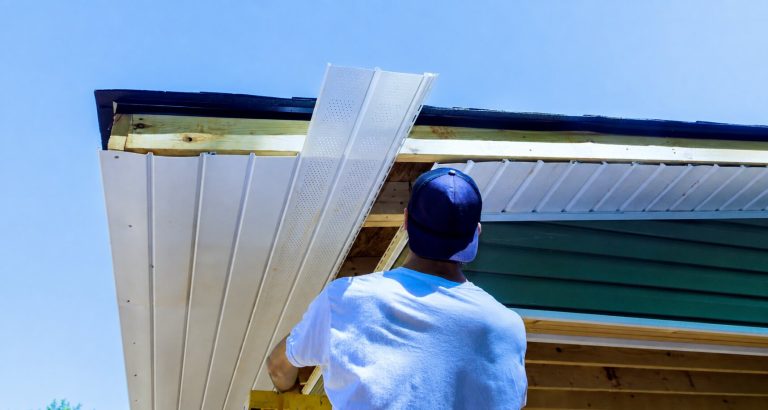
The perimeter of any roofing structure experiences severe environmental exposure. Strong wind gusts generate negative pressure along roof margins, driving rainwater sideways and upwards beneath the outer cladding. Implementing high-grade roof edge flashing is vital to seal these vulnerable transitions, creating a seamless shed system that guides moisture safely into guttering systems.
A primary component in perimeter protection is drip edge metal roof flashing. Installed beneath the roofing underlayment along the eaves and over the underlayment at the gables, a drip edge extends beyond the roof deck fascia. Its precise L-shaped or T-shaped profile forces water droplets to detach cleanly from the roof margin, preventing water from wicking backwards into the wooden fascia board or rotting the roof decking material over time.
- Eaves Drip Edges: Channels runoff directly into gutters without saturating supporting timber fascia.
- Rake Flashing: Covers gable ends to block wind-driven rain from penetrating side underlayment layers.
- Valley Flashing: Directs high-velocity water runoff from converging roof planes into designated drainage outlets.
Selecting the Ideal Material: Copper vs Aluminium Solutions
Selecting the correct metal alloy for flashing involves assessing local environmental conditions, structural longevity, thermal movement, and chemical compatibility with adjacent building materials.
1. Copper Metal Roof Flashing
For heritage properties, architectural restorations, and premium residential builds, copper metal roof flashing represents the gold standard in durability. Copper inherently develops a protective patina layer when exposed to the elements, changing from a bright metallic shine to a distinctive earthy green over several years. This patina acts as a permanent barrier against atmospheric corrosion.
Furthermore, copper exhibits exceptional malleability, allowing skilled roofing craftspeople to dress and form intricate shapes around awkward masonry detailing without cracking. It has a lifespan exceeding 50 to 100 years, making it an ideal long-term investment despite higher upfront material costs.
2. Aluminium / Aluminum Roof Flashing
In contemporary commercial and modern residential roofing, aluminum roof flashing (commonly specified as aluminium in British standards) is widely favoured for its extraordinary strength-to-weight ratio and versatility. Factory-coated with durable polyurethanes or fluoropolymer finishes (such as PVDF), aluminium flashing resists atmospheric oxidation, salt spray in coastal zones, and chemical degradation from environmental pollutants.
Key Material Selection Rule: Avoid placing raw aluminium directly in contact with wet mortar, wet concrete, or pressure-treated timber containing high concentrations of copper, as galvanic corrosion will degrade the metal prematurely.
Securing Penetrations: Chimney Metal Roof Flashing and Counter Flashing
Any break in the continuous plane of a roof—such as a chimney stack, skylight, dormer, or vent pipe—creates a potential channel for water infiltration. Among these, chimney junctions are historically responsible for the majority of domestic roof leaks due to structural settling and thermal expansion differentials between masonry and timber framing.
Achieving a watertight seal around masonry structures requires a multi-part interlocking system. A comprehensive chimney metal roof flashing installation incorporates four distinct elements:
- Apron Flashing (Front): A single sheet shaped over the bottom face of the chimney, resting flat against the lower roof panels.
- Step Flashing (Sides): Individual L-shaped metal cards woven into each course of shingles or slates as they climb the sides of the stack.
- Cricket or Backer Flashing (Rear): A small peaked diverter installed behind wide chimneys to prevent leaf debris and standing water from accumulating.
- Counter Flashing Metal Roof Systems: The critical top layer that locks the entire assembly into place.
The installation of counter flashing metal roof details requires cutting horizontal chase grooves (reglets) into the mortar joints of the chimney stack. The top lip of the counter flashing is inserted directly into the reglet, secured with lead wedges, and sealed with high-performance masonry sealant. The apron and step flashings tuck neatly underneath this counter flashing. Because the counter flashing hangs over the vertical legs of the step flashing without being rigidly fastened to them, the building frame can expand and contract independently of the brickwork without breaking the weather seal.
Essential Installation Best Practices for Long-Term Performance
Even the finest grade metals will fail if mechanical attachment and expansion parameters are ignored during application. Keep these professional guidelines in mind during installation:
- Accommodate Thermal Expansion: Metals expand and contract significantly under temperature swings. Continuous runs longer than 3 metres require expansion joints or overlapping slip seams.
- Fastener Compatibility: Always use fasteners made of the same metal or high-grade stainless steel to prevent galvanic reactions. Copper must be fastened with copper or brass nails; aluminium requires stainless or coated aluminium fasteners.
- Proper Overlaps: Horizontal overlaps between flashing lengths should never be less than 75 mm to 100 mm, with additional weather sealant applied between overlapping layers in exposed regions.
Frequently Asked Questions (FAQs)
Why is metal roof flashing essential for every roof structure?
Flashing acts as the primary defence at joints, valleys, and wall-to-roof transitions. Without custom-fitted metal flashing, rainwater and wind-driven moisture effortlessly penetrate underlayment, leading to rot in timber roof trusses, mould growth, and damaged internal ceilings.
How long does metal roof flashing usually last?
Lifespan depends heavily on material choice and maintenance. Coated aluminium flashing typically lasts between 20 to 40 years, whereas copper metal roof flashing can easily endure for over 80 to 100 years with minimal degradation.
What is the main difference between step flashing and counter flashing?
Step flashing consists of individual metal pieces layered progressively alongside wall or chimney joints beneath roofing materials. Counter flashing is embedded directly into wall masonry or mortar joints, overlapping step flashing to prevent water from running behind the top edge.
Can I mix copper flashing with aluminium roof panels?
No. Direct contact between dissimilar metals like copper and aluminium induces severe galvanic corrosion when moisture is present, leading to rapid pitting and failure of the aluminium component. Always use compatible materials and fasteners.
How often should I inspect my roof flashing for signs of wear?
It is recommended to inspect all roof flashing visually at least twice a year—typically in spring and autumn—and immediately after major windstorms. Look out for cracked sealant, pulled nails, corrosion spots, or lifting metal edges.