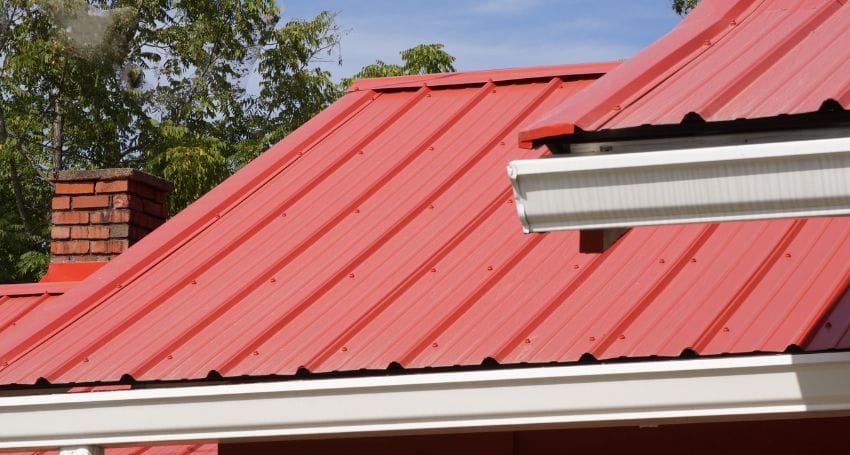
When it comes to protecting your home or commercial property, the roof is one of the most critical components. Among the various types of roofing available, metal roofing has grown in popularity due to its durability, aesthetic appeal, and energy efficiency. However, despite its strength, metal roofing waterproofing is essential for ensuring that your roof remains protected from the elements and retains its long-term performance. In this blog, we will explore the techniques and benefits of metal roofing waterproofing, including roof waterproofing solutions, metal roof leak prevention, and the best waterproofing materials for roofs.
What is Metal Roofing Waterproofing?
Metal roofing waterproofing involves the use of various methods and materials to prevent water from penetrating the metal roof. While metal roofs are naturally resistant to the elements, they are not entirely impervious to water. Over time, factors such as weathering, ageing, and expansion and contraction can create small gaps or vulnerabilities where water can seep through. Metal roof waterproofing helps to seal these gaps and provide an additional layer of protection to the structure underneath.
Techniques for Metal Roofing Waterproofing.
There are several effective roof waterproofing solutions available for metal roofing, each offering varying levels of protection and durability. Here are some common techniques for waterproofing a metal roof:
1. Coatings and Sealants
One of the most popular techniques for metal roofing waterproofing is the application of coatings and sealants. These products are specifically designed to create a waterproof barrier on the surface of the metal roof. They are typically applied as a liquid, which then hardens to form a seamless, protective layer. Coatings and sealants are available in various formulations, including acrylic, silicone, and polyurethane, each offering different benefits depending on the environment and the specific needs of the roof.
Acrylic coatings are particularly popular for metal roof leak prevention due to their ability to resist UV damage, reflect heat, and reduce energy costs. Silicone coatings are highly effective at providing waterproofing and are ideal for areas with high rainfall or extreme weather conditions. Polyurethane coatings are known for their strength and resistance to wear and tear, making them a good option for roofs exposed to high foot traffic.
2. Metal Roof Underlayment
Another effective technique for waterproofing a metal roof is the installation of a high-quality metal roof underlayment. This is a layer of material installed between the roof deck and the metal roofing panels. Underlayment serves as an additional barrier that helps to prevent water from seeping through any gaps or seams in the metal panels. It also provides extra insulation, helping to maintain the interior temperature of the building.
Underlayment materials can vary, but the most common types used for metal roofing waterproofing include felt paper, synthetic underlayment, and rubberised asphalt. Synthetic underlayment is often preferred for its superior durability and water resistance, while rubberised asphalt offers excellent waterproofing properties, especially for areas with heavy rainfall.
3. Flashing and Sealant Tape
Flashing is another key component in metal roof leak prevention. It is typically made of metal or other durable materials and is installed around roof penetrations, such as chimneys, vents, and skylights, to direct water away from these vulnerable areas. Properly installed flashing ensures that water cannot enter through gaps where the roof meets other structures.
In addition to flashing, sealant tape can be applied to seams and joints between metal panels. This tape creates a waterproof seal that helps prevent water from penetrating through the roof’s seams. Sealant tape is particularly useful for metal roof protection because it is quick and easy to apply, and it provides a long-lasting solution to minor leaks.
4. Regular Roof Maintenance
While applying waterproofing solutions is crucial, ongoing roof maintenance is just as important for maintaining the integrity of your metal roof. Over time, debris such as leaves, branches, and moss can accumulate on the roof, leading to blocked gutters and downpipes. This can create areas of standing water, which can eventually cause leaks or corrosion.
To prevent these issues, it is essential to regularly inspect and clean your metal roof. Check for any signs of damage, such as rust spots, loose panels, or cracked sealant. Ensure that the gutters are clear and functioning properly to allow water to flow off the roof without obstruction. Regular inspections and cleaning can help to extend the lifespan of your metal roof and reduce the need for costly repairs.
Benefits of Metal Roofing: Waterproofing
Proper metal roofing waterproofing offers a range of benefits that can enhance the performance and longevity of your roof:
1. Prevent Leaks and Water Damage
The primary benefit of metal roofing waterproofing is the prevention of leaks and water damage. Waterproofing techniques such as coatings, sealants, and underlayment act as barriers that prevent water from entering the building. This helps to protect the structure, insulation, and interior finishes from potential water damage, which can lead to costly repairs.
2. Extend Roof Lifespan
By protecting the metal roof from water damage, waterproofing solutions help to extend the lifespan of the roof. Metal roof protection ensures that the roof remains resistant to rust, corrosion, and other weather-related issues that can cause deterioration over time. With proper waterproofing, your metal roof can last for many years, saving you money on replacement costs.
3. Energy Efficiency
Some waterproofing materials, such as reflective coatings, can help improve the energy efficiency of your building. These coatings reflect sunlight, reducing the amount of heat absorbed by the roof. As a result, the interior of the building stays cooler, reducing the need for air conditioning and lowering energy bills.
4. Aesthetic Appeal
Waterproofing treatments also enhance the aesthetic appeal of your metal roof. Coatings and sealants can provide a smooth, uniform finish, making the roof look more polished and well-maintained. This can improve the curb appeal of your property, especially if you plan to sell it in the future.
FAQs
1. What is the best waterproofing for metal roofing?
The best waterproofing for metal roofing depends on your specific needs. Acrylic coatings, silicone coatings, and polyurethane coatings are all popular options. For areas with heavy rainfall, silicone coatings are highly effective, while acrylic coatings are ideal for UV protection and energy efficiency.
2. How often should I waterproof my metal roof?
The frequency of waterproofing will depend on factors such as climate, roof condition, and the type of waterproofing used. In general, it is recommended to reapply coatings or sealants every 5 to 10 years to maintain optimal protection.
3. Can I waterproof my metal roof myself?
While DIY waterproofing is possible, it is important to ensure that you use the correct materials and follow proper techniques to avoid damaging your roof. If you’re unsure, it’s best to consult a professional roofing contractor to ensure the job is done correctly.