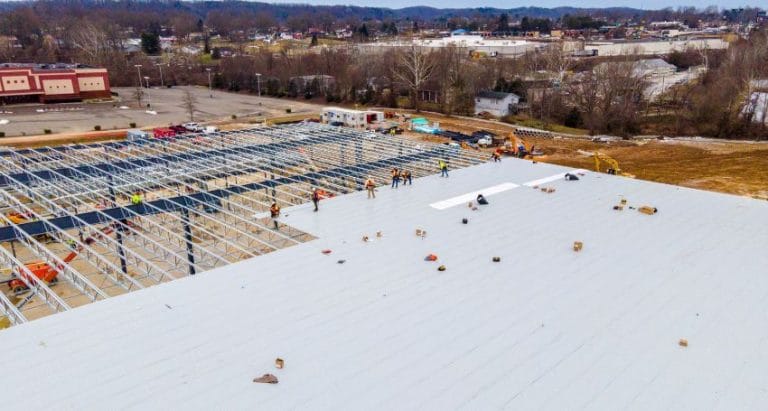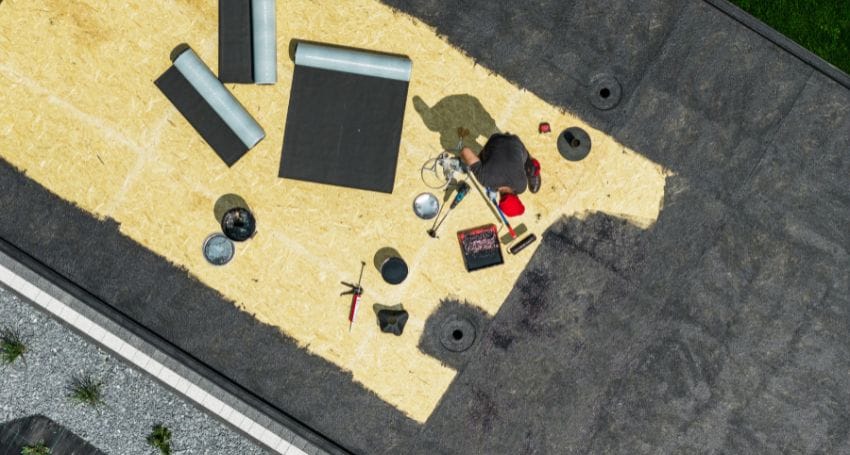
Replacing a flat roof is one of the most important maintenance tasks for homeowners and business owners alike. Flat roofs, though practical and modern, come with unique challenges, water pooling, leaks, and a shorter flat roof lifespan compared to pitched roofs. If you’re wondering how to replace a flat roof, this guide will walk you through the process, the best material options, and whether you should repair or replace. With expert insights from Zinc and Copper Works, you’ll know exactly what to expect.
When to Replace a Flat Roof
Before diving into the flat roof installation process, it’s important to identify when replacement is necessary. Common signs include:
- Persistent flat roof leaks even after multiple repairs.
- Visible cracks, blisters, or sagging areas.
- A roof that has reached the end of its flat roof lifespan (typically 15–30 years, depending on material).
- Water pooling and drainage issues that affect the structure below.
In short, if repairs are becoming frequent and costly, replacement is usually more effective than ongoing flat roof leak repair.
Flat Roof Repair vs Replacement
One of the most common questions is whether to repair or replace.
- Flat roof repair works best for small, isolated issues like a single leak or minor surface damage.
- Flat roof replacement is the smarter option when the damage is widespread, the insulation is compromised, or the structure is nearing the end of its life.
Understanding flat roof repair vs replacement ensures you don’t overspend on repairs that won’t last.
Choosing the Best Material for Flat Roof Replacement
The material you choose plays a big role in durability, cost, and maintenance. Some of the most durable flat roof materials include:
- EPDM Rubber Roofing: Flexible, affordable, and popular for residential flat roof replacement.
- TPO or PVC Membranes: Excellent waterproofing and eco-friendly roofing solutions for both homes and commercial flat roof replacement.
- Modified Bitumen: Tried-and-true material with good strength and waterproofing.
- Fiberglass/GRP: Seamless, strong, and resistant to weathering.
- Metal Roofing (Zinc, Copper, Aluminum): Stylish, long-lasting, and sustainable.
Ready to upgrade? Contact us today for professional flat roof services tailored to your needs.
Step-by-Step Flat Roof Installation Process
Here’s a breakdown of how to replace a flat roof effectively:
- Assessment: Check existing damage, insulation, and decking.
- Removal: Strip away old layers and dispose of materials.
- Inspection: Repair or replace damaged decking and insulation.
- Vapor Barrier: Add waterproofing underlayment to prevent condensation.
- Material Installation: Lay the new roofing system (EPDM, TPO, felt, or metal).
- Sealing: Secure edges, flashings, and joints to prevent leaks.
- Final Inspection: Ensure proper drainage and flat roof waterproofing methods are in place.
This professional approach ensures a longer lifespan and fewer issues down the road
Warm Roof vs Cold Roof: Which to Choose?
When replacing a flat roof, insulation is just as important as the outer material.
- Warm Roof Build-Up: Insulation sits above the decking, keeping the structure warm and energy-efficient.
- Cold Roof Build-Up: Insulation is placed between joists, but it is less efficient and prone to condensation issues.
Most professionals recommend warm roof systems for modern replacements as they offer better energy efficiency and reduce long-term costs.
Residential vs Commercial Flat Roof Replacement
- Residential Flat Roof Replacement: Usually smaller in scale, focusing on durability, insulation, and design. Ideal materials include EPDM or GRP.
- Commercial Flat Roof Replacement: Larger-scale projects requiring durable membranes like TPO or PVC that withstand heavy foot traffic, HVAC systems, and extreme weather.
Whether for a home or business, working with a professional ensures compliance with building codes and safety standards.
Benefits of a Flat Roof Replacement
Replacing your flat roof offers several advantages:
- Improved energy efficiency with modern flat roof insulation options.
- Enhanced property value with durable, stylish materials like zinc or copper.
- Reduced maintenance thanks to professional flat roof services.
- Opportunity to integrate eco-friendly roofing solutions like green roofs or solar panels.
Don’t wait for leaks to get worse. Book your flat roof replacement consultation with Zinc and Copper Works today.
FAQs on How to Replace a Flat Roof
Q1: What is the average flat roof lifespan?
A flat roof typically lasts 15–30 years, depending on the material and the level of maintenance. EPDM and PVC can last longer with proper care.
Q2: What’s the best material for flat roof replacement?
It depends on your property. EPDM and GRP are great for homes, while TPO or PVC are ideal for commercial buildings. Metal roofing offers the most durability.
Q3: How much does flat roof replacement cost?
Costs vary based on size, materials, and labor. Residential replacements are usually less expensive than commercial ones.
Q4: Can I do flat roof replacement myself?
While DIY is possible with peel-and-stick systems, professional installation ensures correct waterproofing and longer lifespan.
Q5: What’s the difference between warm roof vs cold roof systems?
Warm roofs place insulation above the deck for better energy efficiency, while cold roofs place insulation between joists and are less effective.
Final Thoughts
Knowing how to replace a flat roof helps you make informed decisions about repairs, materials, and long-term durability. Whether it’s a residential flat roof replacement or a commercial flat roof replacement, the right approach ensures safety, performance, and energy savings. With expert guidance from Zinc and Copper Works, you’ll get a professional finish and peace of mind for years to come.