Metal roof installation is a popular choice for homeowners and businesses alike, offering durability, energy efficiency, and a sleek aesthetic. Whether you’re considering a metal roof for a new build or replacing an existing roof, it’s essential to understand the installation process, costs, and benefits. This comprehensive guide will walk you through the steps of metal roof installation, from selecting the right metal roof types to understanding the costs and hiring professional metal roofing services.
Why Metal Roof Installation is a Great Choice
When it comes to roofing, metal roof installation is one of the most durable and long-lasting options available. Metal roofing systems are built to withstand a variety of weather conditions, including high winds, heavy rain, and extreme temperatures. They are also resistant to issues like rot, mould, and insect infestations, which can affect other roofing materials like wood or asphalt shingles.
One of the key reasons for the growing popularity of metal roofs is their energy efficiency. Metal roofs reflect solar heat, which can help reduce cooling costs in warmer months. Additionally, metal roofs are known for their long lifespan, often lasting 40-70 years, depending on the material used, compared to traditional asphalt shingles that typically last 15-20 years.
Understanding the Cost of Metal Roof Installation
One of the first considerations when planning a metal roof installation is the cost. Metal roofs are generally more expensive than traditional roofing materials, but they provide a long-term investment with considerable benefits.
The metal roof installation cost can vary depending on several factors, such as the type of metal chosen, the complexity of the roof, and the size of the installation. Steel, aluminium, and copper are common metals used in roofing, with steel generally being the most affordable, while copper is the most expensive.
Here are some key factors that impact the cost of metal roof installation:
- Metal Type: As mentioned, steel is typically the most affordable, while copper and zinc tend to be higher-end options. Your choice will affect the overall cost of the project.
- Roof Size and Complexity: The larger and more complex your roof is, the higher the cost will be. Roofs with multiple slopes, valleys, or intricate angles require more labour and materials.
- Removal of Old Roof: If you need to remove an existing roof before installing the metal roof, this will add to the cost of the project.
- Labour Costs: Hiring a professional for metal roof installation services ensures that the job is done correctly and safely. Labour costs can vary depending on your location and the complexity of the job.
Selecting the Right Metal Roof Types
There are various metal roof types available, and the one you choose will depend on several factors, including your budget, aesthetic preferences, and the climate of your region. Here’s an overview of the most common types of metal roofing systems:
- Steel Roofing: Steel is one of the most common materials used in metal roofs. It’s durable, resistant to corrosion (especially when treated with a coating), and affordable. Steel roofing can be found in both corrugated panels and standing seam styles.
- Aluminium Roofing: Aluminium is lightweight, resistant to corrosion, and is ideal for coastal areas where saltwater exposure can cause other materials to rust. It’s slightly more expensive than steel but offers excellent performance in certain environments.
- Copper Roofing: Copper is a premium roofing material known for its aesthetic appeal. It develops a distinctive patina over time, which many homeowners find attractive. However, copper roofing is one of the most expensive options and requires skilled installation.
- Zinc Roofing: Zinc is a durable and corrosion-resistant material that is becoming increasingly popular for modern roof designs. It’s often used for its aesthetic appeal, as it naturally develops a protective layer of patina that gives it a unique look. Zinc roofing is more expensive than steel but offers longevity and resilience.
- Tin Roofing: Often confused with steel, tin roofing is actually a type of metal that is coated in tin to improve its rust resistance. While it is a traditional choice for roofing, it is less common today due to the availability of more durable materials like steel and aluminium.
Professional Metal Roofing Installation Services
While some homeowners may attempt to install a metal roof themselves, it’s always recommended to hire professional metal roofing contractors for the job.
- Expertise: Roofing professionals have the necessary training and experience to handle the complexities of metal roof installation. They understand the materials, tools, and techniques required to ensure the roof is secure and long-lasting.
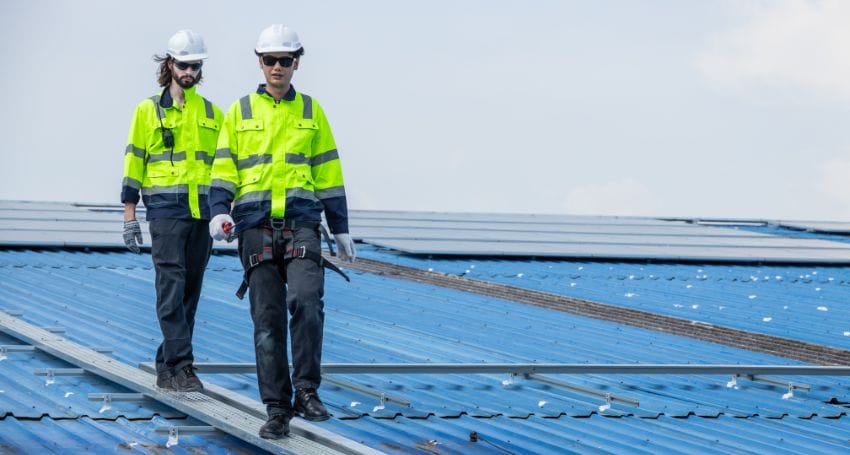
- Safety: Installing a metal roof can be dangerous, especially for those without experience. Professional roofers are equipped with the proper safety gear and follow industry safety standards to prevent accidents.
- Quality Installation: A professional contractor will ensure that your metal roof is installed according to manufacturer specifications, which is crucial for maintaining the warranty and ensuring the roof’s performance.
- Time Efficiency: Installing a metal roof can be a time-consuming process. By hiring a professional, you can save time and avoid the potential for costly mistakes that could arise from DIY installation.
The Metal Roof Installation Process
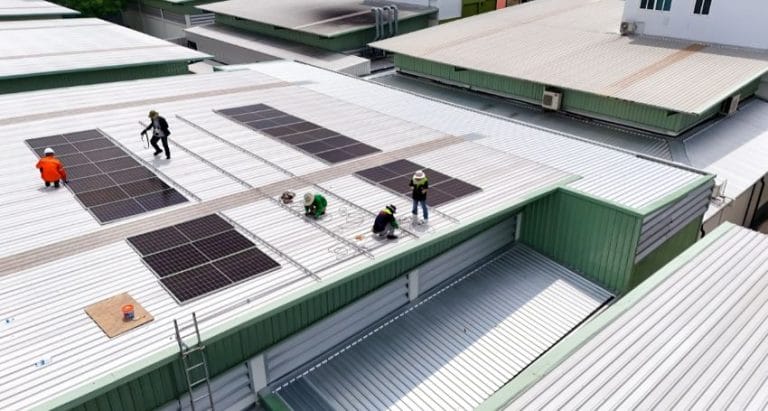
The process of installing a metal roof involves several steps, including:
- Preparation: This involves removing the old roof (if necessary) and preparing the roof deck. An underlayment is typically applied to provide a moisture barrier and ensure a secure fit for the metal panels.
- Measuring and Cutting: The metal panels are measured and cut to fit the roof’s dimensions. Precision is key to ensuring a proper fit and avoiding unnecessary waste.
- Installing the Panels: The metal panels are installed, starting at the bottom edge of the roof and working upwards. Each panel is secured with screws designed for metal roofing.
- Flashing and Trim: Flashing is installed around areas like chimneys, vents, and skylights to prevent leaks. Trim is also added to the edges of the roof for a clean finish.
- Final Inspection: After the installation is complete, the roof is thoroughly inspected to ensure everything is secure and no gaps or issues are present.
Conclusion
Metal roof installation is an investment that can provide long-lasting protection and energy efficiency for your home or business. By understanding the installation process, selecting the right metal roof type, and hiring professional installation services, you can ensure that your metal roof will perform well for years to come. While the initial cost of a metal roof may be higher than traditional roofing materials, the long-term savings in maintenance, energy costs, and durability make it a wise choice for many property owners.
FAQs:
What are the key steps involved in metal roof installation?
Metal roof installation typically involves roof inspection, structural preparation, underlayment installation, precise panel fitting, secure fastening, and proper flashing. Professional installation ensures durability, weather resistance, and long-term performance of the metal roofing system.
2. How long does a metal roof last?
Metal roofs are incredibly durable and can last anywhere from 40 to 70 years, depending on the material used. For example, steel roofs typically last between 40 and 60 years, while copper roofs can last up to 100 years with proper maintenance and care. Regular maintenance can help extend the lifespan of your roof.
3. What are the benefits of metal roof installation over traditional roofing?
Metal roof installation offers several advantages over traditional roofing materials like asphalt shingles. Metal roofs are more durable, energy-efficient, and environmentally friendly. They also have a longer lifespan and require less maintenance, making them a cost-effective long-term solution.