Metal roof thermal expansion is a crucial consideration for property owners and contractors involved in the installation and maintenance of metal roofing systems. As metal roofs are subjected to temperature fluctuations, they expand and contract, which can lead to significant structural challenges if not properly managed. In this blog, we will explore the causes of thermal expansion in metal roofing, the potential issues that can arise, and how to properly address metal roofing expansion and contraction to ensure the longevity and performance of the roof.
What is Metal Roof Thermal Expansion?
Metal roof thermal expansion refers to the way metal materials expand when exposed to heat and contract when they cool down. This natural physical process occurs because of the high thermal conductivity of metal materials, which absorb heat quickly and expand as a result. As temperatures fluctuate throughout the day and across the seasons, metal roofing systems will undergo expansion and contraction, potentially leading to issues like warping, buckling, and even leaks if not properly accounted for.
This process is more pronounced in regions with significant temperature swings between day and night, or between summer and winter. It is essential to understand how temperature effects on metal roofs can influence the structural integrity of your roof and take steps to mitigate potential problems.
Causes of Thermal Expansion in Metal Roofing
The primary cause of thermal expansion in metal roofing is the direct exposure of the metal to varying temperatures. The metal expands when it is heated by the sun and contracts as it cools down, especially during colder months or at night when the temperature drops. This expansion and contraction process can be more extreme for certain types of metal roofs, such as steel or aluminium, which are known to have higher rates of thermal expansion.
Other factors that can contribute to metal roof expansion issues include:
- Material Thickness: Thicker materials expand and contract more slowly, while thinner materials can experience more rapid changes in size due to temperature shifts.
- Roofing Design: The design and layout of the roof, including the number of seams and joints, can influence how the roof responds to temperature changes.
- Colour of the Roof: Darker metal roofs tend to absorb more heat than lighter-coloured roofs, potentially leading to greater thermal expansion.
Understanding these factors can help you better anticipate and manage roof material expansion.
Managing Metal Roof Thermal Expansion
Properly managing metal roof thermal expansion requires understanding how to account for the movement of the roof over time. Without adequate precautions, this movement can lead to several problems, such as damage to the roof’s structure or fasteners. Below are some effective methods for managing metal roof expansion and contraction:
1. Metal Roof Expansion Joints
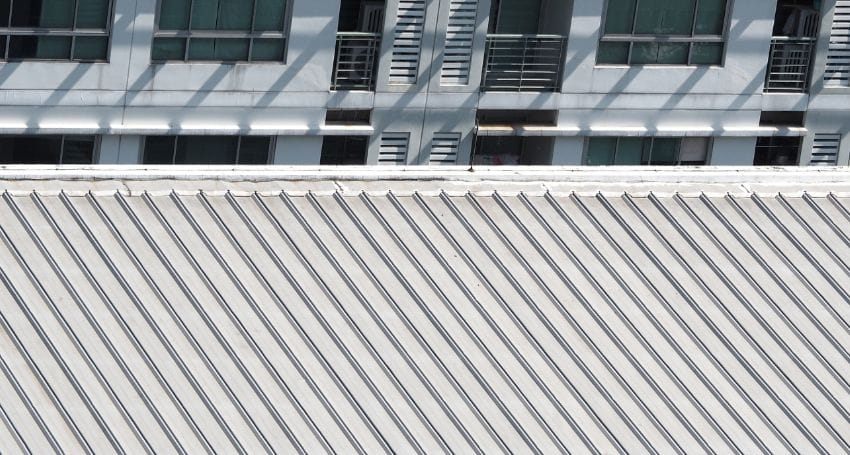
One of the most effective ways to manage metal roof thermal expansion is through the use of metal roof expansion joints. These joints are designed to absorb the movement caused by expansion and contraction, allowing the roof to shift without causing damage. Expansion joints are typically installed at regular intervals along the length of the roof and are made from flexible materials that can accommodate movement while maintaining a watertight seal.
By incorporating metal roof expansion joints, you can prevent stress on the roofing materials and ensure that the roof system remains stable over time, regardless of temperature changes.
2. Allowing for Movement in Fasteners
Another important consideration in managing thermal expansion in metal roofing is the use of fasteners that allow for movement. Traditional fasteners that are tightly secured to the roof deck can cause issues when the roof expands and contracts. Instead, floating fasteners or slotted fasteners are often used to provide the necessary flexibility for the roof to move.
These types of fasteners allow the metal panels to move slightly without pulling away from the underlying structure, reducing the risk of buckling or warping.
3. Proper Roof Material Selection
The type of material you choose for your metal roof can play a significant role in how well it handles thermal expansion. Certain metals, such as steel and aluminium, have different rates of expansion and contraction. While both materials are durable and effective, they each respond differently to temperature changes.
When selecting a material for your roof, it is essential to consider the climate and temperature variations in your area. If your location experiences significant temperature shifts, a material that has a lower rate of thermal expansion may be more appropriate for your roofing needs.
4. Roof Insulation
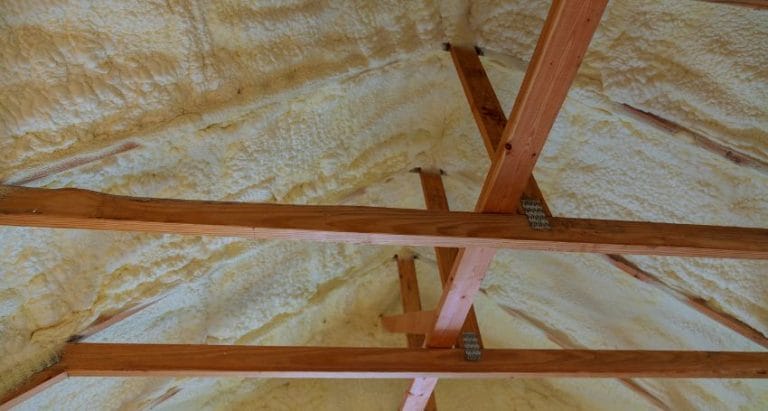
In some cases, roof insulation can help mitigate the effects of temperature fluctuations on the roof structure. Insulation reduces the amount of heat that reaches the metal surface, helping to stabilise the temperature of the roof and reduce the rate of expansion and contraction.
5. Regular Roof Maintenance
Finally, regular roof maintenance is crucial for managing metal roofing expansion and contraction over time. Inspecting the roof regularly for signs of damage, such as warped panels or loose fasteners, can help you catch potential problems before they become serious issues. Ensuring that expansion joints, fasteners, and seals are in good condition can go a long way in maintaining the integrity of your metal roof.
Benefits of Managing Metal Roof Thermal Expansion
Managing metal roof thermal expansion effectively offers a range of benefits that contribute to the long-term durability and performance of the roof:
- Preventing Structural Damage: By allowing for controlled movement, expansion joints and flexible fasteners prevent stress from damaging the roof panels or the structure beneath them.
- Extended Roof Lifespan: Properly managed metal roof expansion and contraction can extend the lifespan of your roof, reducing the need for costly repairs or replacements.
- Improved Weather Resistance: Managing thermal expansion can also help ensure that the roof remains watertight, preventing leaks caused by gaps or cracks in the roofing system.
FAQs
1. What causes metal roof thermal expansion?
Metal roof thermal expansion occurs due to temperature fluctuations. As metal absorbs heat, it expands, and when it cools, it contracts. This movement can cause issues if not properly managed.
2. How can I prevent metal roof expansion issues?
To prevent metal roof expansion issues, install metal roof expansion joints, use flexible fasteners, and select the appropriate roofing material for your climate. Regular inspections and maintenance are also essential.
3. Can temperature changes affect the integrity of my metal roof?
Yes, temperature changes can affect the integrity of your metal roof. If expansion and contraction are not properly managed, it can lead to warping, leaks, and damage to the roofing system.