Roof leak detection is an essential skill for homeowners to learn to protect their property from water damage. A leaky roof can cause significant damage to your home if not addressed quickly, leading to issues such as mould growth, structural damage, and costly repairs. Identifying and fixing roof leaks early can save you time, money, and stress. This guide will walk you through the steps of detecting a roof leak, providing roof leak repair solutions, and offering tips on how to prevent leaks in the future.
Identifying Roof Leaks Early
The first step in roof leak detection is identifying that there is, in fact, a leak. Many homeowners notice signs of water damage in their home before realising the source is a leaky roof. If you notice water stains on your ceiling or walls, peeling paint, or mould growth, it could be a sign that your roof is compromised. Often, leaks develop slowly and go unnoticed until the damage becomes more severe.
Roof Inspection Tips
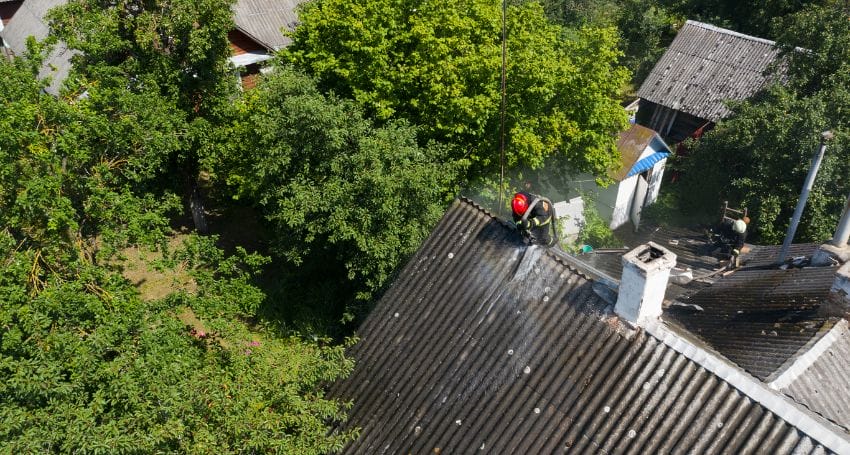
Performing a roof inspection is crucial to detecting leaks early. Here are some tips to help you inspect your roof:
- Check for damaged shingles: Inspect your roof for missing, cracked, or curled shingles. These are the most common culprits of leaks, as they can allow water to seep through.
- Look for debris: Leaves, branches, and other debris can accumulate in your gutters and on your roof, blocking proper drainage. This can lead to water pooling on the roof, causing leaks over time.
- Inspect flashing: Flashing around chimneys, skylights, and vents is designed to create a waterproof seal. Over time, flashing can become damaged or loosen, allowing water to seep through.
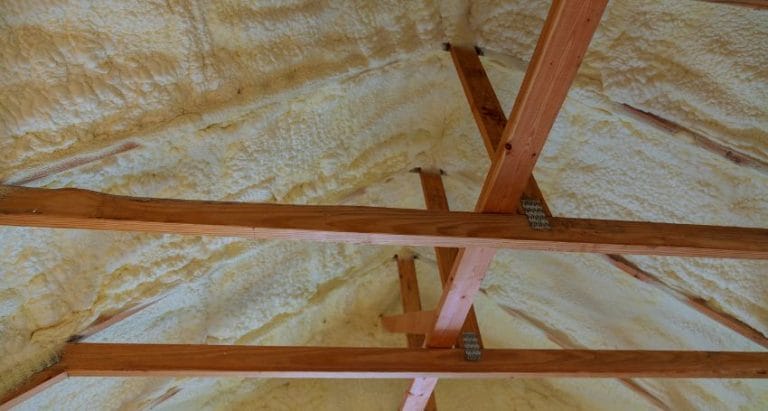
- Check the attic: If you have an attic, inspect the underside of the roof for signs of moisture or water stains. This can help you pinpoint the location of the leak, as water often travels along beams and rafters before dripping down into the living space.
- Examine the roofline: Look for areas where it may have shifted or where the structure has weakened. These areas can create spaces where water can enter.
While performing a roof inspection, always ensure your safety. If you’re not comfortable inspecting your roof on your own, it’s best to hire a professional roof inspector to do the job.
Roof Leak Detection Tools
Having the right roof leak detection tools can make it easier to identify and fix leaks. Here are some tools commonly used for roof leak detection:
- Moisture meter: This tool helps detect moisture in the walls, ceilings, and roofing materials. A moisture meter is especially helpful for identifying the source of the leak when it’s not immediately visible.
- Thermal imaging camera: A thermal imaging camera detects temperature differences in materials, helping you identify areas where water may be infiltrating. These cameras can detect moisture in walls and ceilings, even when there is no visible sign of a leak.
- Dye test: To pinpoint the exact location of a leak, you can use a dye test. This involves spraying coloured water onto the roof, which will help identify the path of the leak and the location of any weak spots.
- Water test: A simple way to detect leaks is by using a water test. By spraying water on sections of the roof one at a time, you can identify areas where the water begins to enter the house.
While DIY detection methods can be effective, it’s important to remember that a professional roof leak service may be required for more complicated leaks or if you’re unable to access your roof safely.
Roof Leak Repair
Once you’ve detected the source of the leak, it’s time to take action and perform roof leak repair. Depending on the severity of the damage, you may be able to repair the leak yourself, or you may need to hire a professional.
Here are some common roof leak repairs:
- Replacing damaged shingles: If a few shingles are cracked, missing, or damaged, simply replacing them can often solve the issue. Be sure to match the new shingles to the existing ones to maintain the roof’s integrity.
- Sealing flashing: If the flashing around chimneys or vents is loose or damaged, applying roofing sealant or replacing the flashing can prevent further water intrusion.
- Fixing holes and cracks: Small holes or cracks in the roof can be patched using roofing cement or specialised sealants. For larger holes, it may be necessary to replace the affected section of roofing material.
- Clearing gutters: If your gutters are clogged, water may be backing up onto the roof. Regular gutter cleaning can help prevent this issue and avoid roof leaks caused by water overflow.
Roof Leak Prevention
Preventing roof leaks in the future is just as important as detecting and fixing them. By performing regular maintenance and following best practices, you can avoid the need for extensive roof leak repairs.
Here are some roof leak prevention tips:
- Regular roof inspections: Have your roof inspected at least once a year to identify any potential issues before they become major problems. This can help catch small leaks before they cause significant water damage.
- Keep gutters clean: Clean your gutters regularly to ensure they are free of debris and can properly drain water away from the roof. Clogged gutters can cause water to pool on the roof, leading to leaks.
- Trim trees: Overhanging branches can cause damage to your roof and lead to debris buildup. Regularly trimming trees near your home can help reduce the risk of damage from falling branches.
- Install roof underlayment: Roof underlayment is a protective layer installed beneath your roofing material. It can provide an extra layer of waterproofing and help prevent leaks caused by roof wear and tear.
Professional Roof Leak Services
If you’re unable to detect or fix a roof leak yourself, or if the damage is more extensive, it’s important to call in professional roof leak services. A professional roofer can assess the damage, provide a detailed inspection, and perform any necessary repairs. Hiring a professional ensures that the job is done correctly and that your roof will remain secure for years to come.
FAQs
1. How can I tell if my roof is leaking?
Signs of a leaking roof include water stains on ceilings or walls, damp spots in the attic, mould or mildew growth, and a musty smell. If you notice these signs, it’s time for roof leak detection.
2. Can I fix a roof leak myself?
Minor roof leaks can be fixed by replacing damaged shingles or sealing small cracks. However, if the damage is extensive, it’s best to hire a professional to ensure the repair is done correctly.
3. How often should I inspect my roof?
It’s recommended to inspect your roof at least once a year, preferably in the spring or autumn. Regular inspections help identify potential issues before they become major problems.