Energy-efficient roofing has become a key consideration for large buildings in today’s sustainable construction landscape. With rising energy costs and increasing pressure to reduce carbon footprints, building owners are seeking innovative solutions to enhance the energy efficiency of their properties. A well-chosen roofing system can play a significant role in regulating indoor temperatures, reducing energy consumption, and improving overall building performance. Whether for commercial, industrial, or large residential buildings, energy-efficient roofs contribute to long-term cost savings and environmental sustainability.
This blog will explore the various aspects of energy-efficient roofing, focusing on cool roofing systems, sustainable roofing materials, and energy-saving roof solutions. We will also delve into commercial roof insulation, green roofing technology, and the benefits of eco-friendly roofing systems for large buildings.
The Importance of Energy-Efficient Roofing
Energy-efficient roofing is vital for reducing the amount of energy needed to maintain comfortable indoor temperatures. Large buildings, especially those with extensive roof areas, often face significant energy demands due to heating, cooling, and lighting. Traditional roofing systems that absorb heat can increase the need for air conditioning in the summer, driving up cooling costs and contributing to the urban heat island effect.
By selecting the right roofing materials and systems, building owners can dramatically improve energy efficiency. Energy-efficient roofing solutions help regulate indoor temperatures by minimising heat absorption in the summer and improving insulation in the winter, reducing the need for constant heating or cooling.
Cool Roofing Systems for Large Buildings
One of the most effective energy-saving roof solutions for large buildings is the implementation of cool roofing systems. Cool roofs are designed to reflect more sunlight and absorb less heat than standard roofing materials. This is achieved through reflective coatings or the use of reflective roofing materials, such as white or light-coloured membranes, that significantly reduce heat gain.
In large buildings, cool roofing systems can reduce the amount of heat that is absorbed into the structure, thereby lowering the need for air conditioning and cooling systems. This helps to maintain a more stable indoor environment while also cutting energy costs. Moreover, cool roofing systems reduce the overall temperature of the surrounding environment, helping to mitigate the urban heat island effect, which is especially beneficial in cities with dense construction.
Sustainable Roofing Materials
Sustainable roofing materials are a cornerstone of any energy-efficient roofing strategy. These materials are designed to reduce environmental impact by being either sourced from renewable resources or offering long-lasting durability that requires less maintenance and replacement. The choice of roofing materials plays a significant role in both energy efficiency and sustainability.
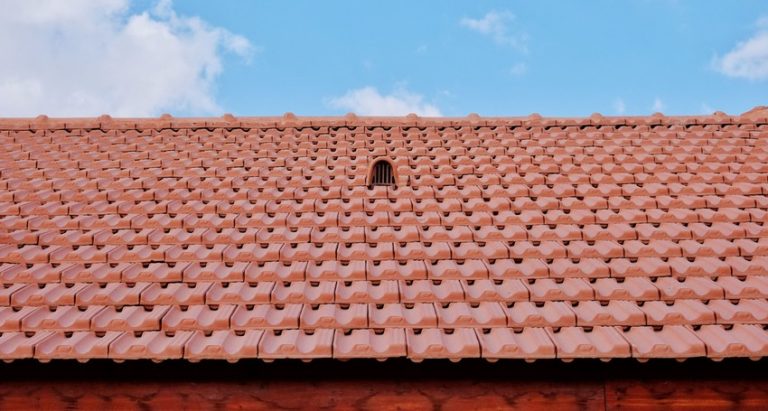
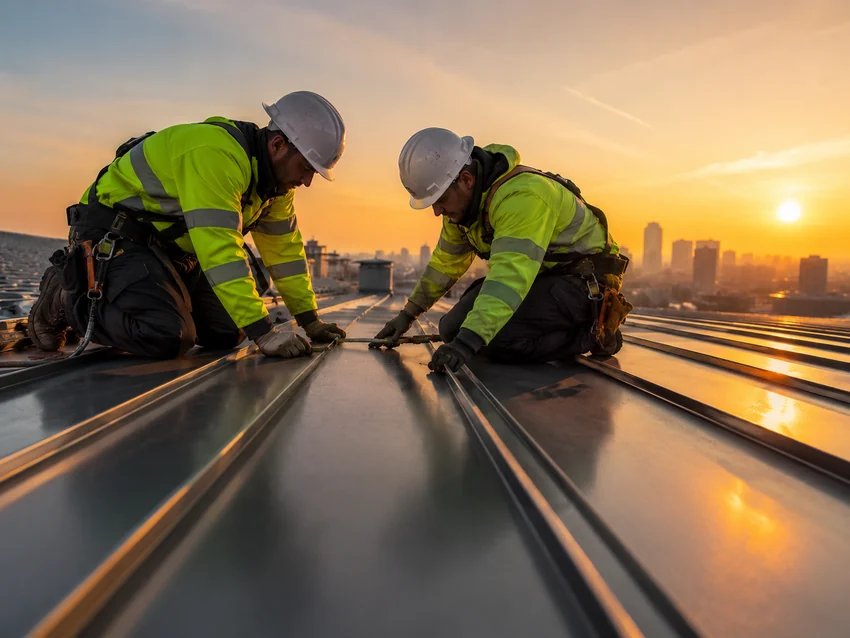
Materials such as metal roofing, clay tiles, and recycled roofing membranes are examples of sustainable options. Metal roofs, for instance, are not only durable but can also be coated with reflective finishes that enhance energy efficiency by reflecting heat. Clay tiles, while often used for aesthetic purposes, are also a sustainable option because they are natural, recyclable, and provide excellent thermal insulation.
Additionally, many roofing materials now come with environmentally friendly coatings and treatments that extend their lifespan while maintaining their reflective properties. These sustainable materials can help reduce the environmental impact of roofing systems over their lifetime.
Commercial Roof Insulation for Energy Efficiency
Commercial roof insulation is a crucial element in achieving energy efficiency in large buildings. Proper insulation helps to maintain consistent temperatures inside the building, reducing the need for excessive heating or cooling. In regions with extreme temperature fluctuations, insulation ensures that warm air stays inside during the winter and keeps the building cool in the summer.
The insulation material used in roofing systems should be chosen carefully, as it directly impacts the building’s thermal performance. Some commonly used insulation materials for large buildings include rigid foam board insulation, spray foam insulation, and reflective foil insulation. These materials not only provide thermal resistance but also help to prevent heat transfer between the roof and the interior of the building, improving overall energy efficiency.
Roof insulation works best when combined with a reflective or cool roofing system. The combination of a well-insulated roof and a reflective surface minimises the amount of heat absorbed by the building, making it more energy-efficient throughout the year.
Green Roofing Technology for Sustainable Buildings
Green roofing technology is another innovative approach to energy-efficient roofing for large buildings. Green roofs, or living roofs, are systems that incorporate vegetation into the roofing structure. These roofs are typically installed with a waterproof membrane, a layer of soil, and plants that can thrive in the local climate. Green roofs provide several benefits, including improved insulation, stormwater management, and increased biodiversity.
The presence of plants on a roof helps to absorb and dissipate heat, reducing the need for cooling systems in the summer months. In winter, green roofs provide an added layer of insulation, which can help reduce heating costs. Furthermore, green roofs act as natural air purifiers, helping to improve air quality by absorbing pollutants and providing oxygen.
For large buildings, green roofs can also create additional usable space, such as rooftop gardens or recreational areas, which enhance the building’s overall value and sustainability.
Eco-Friendly Roofing Systems for Sustainable Construction
Eco-friendly roofing systems are becoming increasingly popular as businesses and building owners seek to reduce their environmental impact. These systems not only focus on reducing energy consumption but also incorporate sustainable materials and construction practices. Choosing eco-friendly roofing materials and technologies can help buildings meet green building standards, such as BREEAM or LEED certifications.
One key aspect of eco-friendly roofing systems is their ability to integrate renewable energy solutions, such as solar panels or green roofs, which contribute to the building’s overall sustainability. By combining energy-efficient roofing with solar energy systems, building owners can further reduce their reliance on non-renewable energy sources, ultimately lowering both energy costs and carbon emissions.
Conclusion
Energy-efficient roofing is essential for large buildings seeking to reduce energy consumption, enhance environmental sustainability, and lower operational costs. By investing in cool roofing systems, sustainable roofing materials, commercial roof insulation, and green roofing technology, building owners can create a more energy-efficient and eco-friendly environment. These systems not only contribute to energy savings but also help mitigate the impact of climate change by reducing a building’s overall carbon footprint.
As building regulations evolve and sustainability becomes a greater priority, the demand for energy-efficient roofing systems will continue to grow. Embracing these innovative roofing solutions today can result in long-term savings, increased property value, and a more sustainable future.
FAQs
What makes zinc roofing a good choice for commercial buildings?
Zinc roofs are highly durable, corrosion-resistant, and can last over 100 years. They develop a natural protective patina that strengthens the material over time. Zinc is also eco-friendly and 100% recyclable.
Will a zinc roof match my building’s design?
Yes. Zinc offers multiple finishes, pre-weathered, anodised, or coloured, suited to modern and traditional commercial designs.
How is zinc roofing installed and maintained?
Panels are installed using standing seam or interlocking systems. Maintenance mainly involves periodic inspections and mild cleaning.