As more homeowners and builders across the UK focus on environmentally responsible design, sustainable roofing has emerged as one of the most effective ways to make a lasting difference. Beyond protecting your property, these roofs contribute to lower energy consumption, reduced waste, and a healthier planet. Understanding the core sustainable roofing benefits can help you make the right choice for your home, your budget, and the environment.
At Zinc & Copper Works, we craft durable, stylish, and eco-friendly roofing systems that deliver exceptional performance and sustainability. Let’s explore the advantages of going green with your roof and why it’s a decision that pays off for decades.
1. Energy Efficiency and Lower Utility Bills
One of the biggest sustainable roofing benefits is improved energy efficiency. Traditional roofing materials often absorb heat, which raises indoor temperatures and increases energy use during warmer months. In contrast, energy-efficient roofing solutions such as zinc, copper, or aluminium reflect sunlight and prevent excess heat absorption.
This helps maintain comfortable indoor conditions naturally, reducing reliance on air conditioning or heating systems. Over time, you’ll see lower energy bills while doing your part to reduce carbon emissions.
2. Eco-Friendly Roofing Systems that Protect the Planet
Eco-friendly roofing systems are designed with sustainability in mind, using materials that are recyclable, long-lasting, and low-maintenance. Metals such as zinc and copper can be recycled repeatedly without losing quality, reducing the need for raw resource extraction.
Unlike asphalt roofs that end up in landfills, sustainable roofing materials are part of a closed-loop system that conserves resources and minimises waste. By investing in these systems, you’re helping to promote sustainable construction practices across the industry.
Upgrade to a greener roof today. Contact us for professional, eco-friendly installation and expert guidance!
3. Durability and Long-Term Reliability
When it comes to longevity, sustainable roofing stands out. Materials like zinc and copper naturally form a protective patina that resists corrosion and weather damage. This means your roof can last 50 years or more with minimal upkeep, a key sustainable roofing benefit that saves both money and materials in the long run.
Durability also means fewer replacements, less waste, and a more sustainable approach to property maintenance.
Read More: Types of Rainscreen Cladding: Materials, Designs, and Benefits
4. Reduced Environmental Impact
One of the greatest benefits of green roof systems is their ability to lower your property’s environmental impact. By using recycled roofing materials, you help conserve natural resources and reduce landfill waste.
Some environmental roofing solutions go even further; for instance, vegetated roofs can absorb rainwater, capture carbon dioxide, and support local biodiversity. Together, these features contribute to cleaner air and a healthier urban environment
5. Enhancing Property Value and Aesthetic Appeal
Modern buyers are increasingly eco-conscious. Homes with eco-friendly roofing systems often have higher resale values, as sustainable features signal quality, efficiency, and long-term value.
At Zinc & Copper Works, our sustainable designs not only perform exceptionally but also add visual appeal. Whether you prefer the timeless elegance of copper or the sleek finish of zinc, sustainable roofing enhances both the appearance and market value of your property.
6. Supporting Sustainable Construction Practices
Opting for sustainable roofing materials supports broader environmental goals by promoting sustainable construction practices. These include reducing waste, improving building efficiency, and minimising emissions throughout a roof’s lifecycle.
Each project completed with sustainable materials moves the UK closer to a greener construction industry that balances durability with environmental stewardship.
7. Compatibility with Renewable Energy Systems
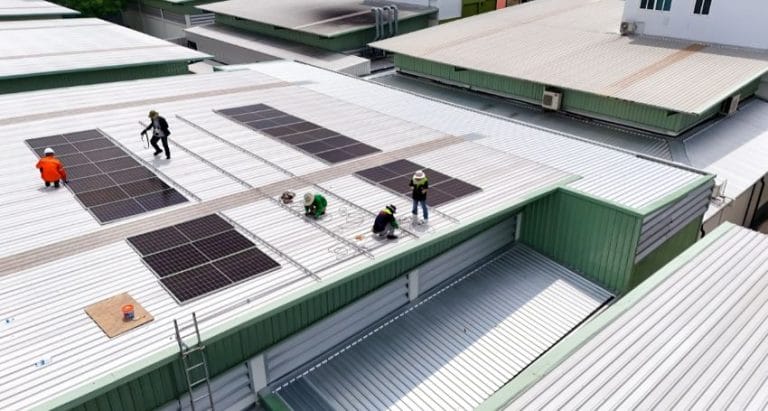
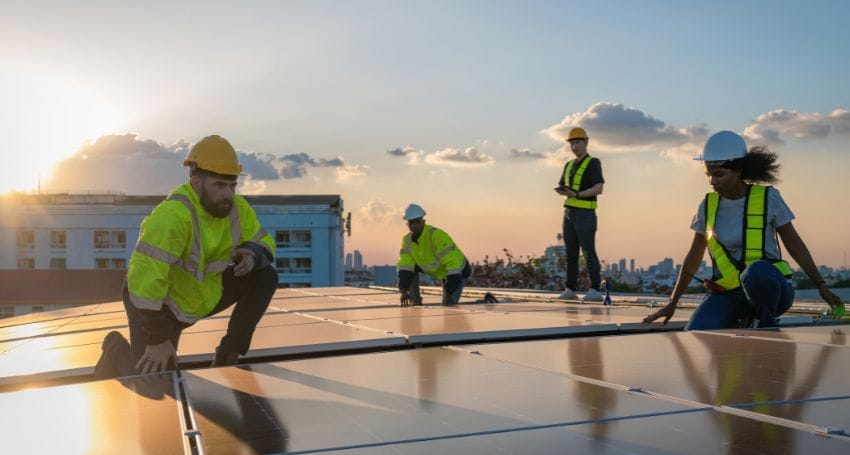
Another of the major sustainable roofing benefits is compatibility with renewable energy solutions. Metal roofs provide a solid, durable base for solar panels, helping you generate clean energy while cutting household bills.
Pairing energy-efficient roofing solutions with renewable systems like solar PV or rainwater harvesting creates a truly future-ready home.
8. Low Maintenance and Long-Term Savings
Sustainable roofs are remarkably low-maintenance. Zinc and copper, for example, require little more than occasional cleaning thanks to their natural patina that protects against corrosion.
This eliminates the need for harsh chemical treatments or frequent repairs, reducing ongoing maintenance costs and keeping your home eco-friendly for years to come.
9. Contribution to a Cleaner, Cooler Environment
Sustainable roofs reflect more sunlight and absorb less heat, helping to reduce the urban heat island effect common in cities and towns. By installing environmental roofing solutions, you contribute to cooler surroundings, improved air quality, and lower overall energy consumption, benefits that extend well beyond your own property.
Conclusion
Switching to a sustainable roof isn’t just an environmental choice; it’s a practical, forward-thinking investment. From lowering energy costs and maintenance to improving property value, the sustainable roofing benefits speak for themselves.
At Zinc & Copper Works, we combine decades of craftsmanship with modern sustainability principles to create roofing systems that last, perform, and protect our planet.
Ready to build a more sustainable home? Get in touch with Zinc & Copper Works today for premium, eco-friendly roofing solutions!
Frequently Asked Questions (FAQs)
1. What are the key sustainable roofing benefits?
They include enhanced energy efficiency, longer lifespan, reduced maintenance, and a lower environmental footprint through recyclable materials.
2. Are sustainable roofs more expensive?
They may cost slightly more initially, but their longevity and energy savings make them more cost-effective over time.
3. What materials are used in eco-friendly roofing systems?
Common sustainable roofing materials include zinc, copper, aluminium, and steel, all recyclable and extremely durable.
4. How do sustainable roofs benefit the environment?
They use recycled roofing materials, reflect heat, conserve energy, and reduce waste, supporting sustainable construction practices.
5. Can sustainable roofs work with solar panels?
Yes, most energy-efficient roofing solutions are designed to integrate seamlessly with solar energy systems.